REVIEW · VIENNA
Vienna – the making of a Weltstadt – guided Citytour
Book on GetYourGuide →Operated by Christian Grausam · Bookable on GetYourGuide
Vienna makes sense when you walk it. This 2-hour Weltstadt citytour connects key buildings to the big moments that shaped Vienna, and it keeps the focus on the center you’ll actually want to see. I especially like how the guide links eras and architecture in a way that feels clear, and how you end up understanding why the Hofburg and St. Stephen’s Cathedral matter so much. The main drawback to plan for: it’s not suitable for people with mobility impairments, and it’s a rain-or-shine walking tour.
I also like the pace and framing. You go from an early Roman fort idea through to Central Europe’s 19th-century metropolis vibe, with stops that help you spot what still hints at older Vienna while also showing the city’s art and music identity. One more thing you’ll want to know up front: the tour is live and in German, so it’s best if you’re comfortable with German.
If you’re thinking about where to start in Vienna, this route gives you a strong “map in your head.” You’ll pass through places around Schottenkirche, Freyung, Am Hof, the Kohlmarkt/Michaelerplatz area, up to Heldenplatz, then toward Burggarten, Josefsplatz, the Albertina area, and on to the Capuchin Crypt and finally St. Stephen’s.
In This Review
- Key highlights to look for on this tour
- Vienna’s 2,000-year story starts with your shoes
- From Roman roots to a “Weltstadt” mindset
- Schottenkirche and Freyung: where older Vienna still whispers
- Am Hof and Kohlmarkt: reading the city like a map
- Hofburg and Heldenplatz: why Vienna ruled from the center
- Burggarten and Josefsplatz: imperial Vienna softened by gardens and squares
- Albertina and the Capuchin Crypt: art, politics, and memory
- Franziskanerplatz, Domgasse, and St. Stephen’s: the emotional center lands last
- Price and what $35 really buys you
- Who should book this tour (and who might skip it)
- Tips that make the tour smoother
- Should you book the Weltstadt guided Citytour?
- FAQ
- How long is the Vienna guided Citytour?
- What does the tour cost?
- What languages is the tour offered in?
- Who leads the tour?
- Where does the tour start?
- Will the tour run in bad weather?
- Is luggage allowed?
- Is the tour suitable for people with mobility impairments?
- When should I arrive at the meeting point?
- Is cancellation possible?
Key highlights to look for on this tour
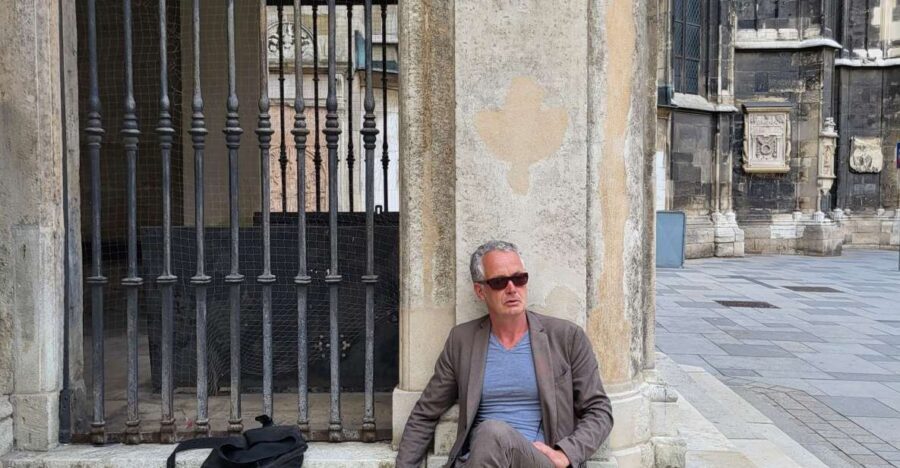
- Christian Grausam’s story-to-stone approach: he ties history to the exact buildings you’re standing by
- A tight 2-hour overview of Vienna’s major center, not just photo stops
- The Hofburg explained as a residential center, not only as “imperial power”
- St. Stephen’s Cathedral as Vienna’s emotional center, the final anchor point
- Art and music in the background of everything (Mozart, Beethoven, and Haydn mentioned)
- You’ll see the city through 2,000 years, from early Roman roots onward
Vienna’s 2,000-year story starts with your shoes
There’s a reason Vienna feels both grand and oddly intimate: the layers sit on top of each other. This tour is built for that. In two hours, you don’t just tick off landmarks. You learn how different centuries left visible marks—street corners, church facades, palace squares—so the city stops feeling like a set of separate sights and starts feeling like one place.
I like this format because it saves you from the common mistake: wandering for hours while still not knowing what you’re looking at. Here, each stop is there to answer a question—what era are we in, what kind of city was Vienna, and why did rulers and artists care about this exact spot?
One practical note for your comfort: it’s a city walk through central Vienna. Wear shoes you can trust. Also keep in mind luggage or large bags aren’t allowed, so travel light.
You can also read our reviews of more guided tours in Vienna
From Roman roots to a “Weltstadt” mindset
The tour’s starting idea is simple and useful: Vienna didn’t become Vienna overnight. You begin with the concept of a small Roman fort and then move forward through the long timeline that turns a city into a Central European hub.
That long time span matters because Vienna’s architecture isn’t one uniform style. You’ll be encouraged to notice how styles overlap—what still feels medieval-adjacent, and what later centuries added when Vienna became a bigger political and cultural player. The guide doesn’t treat “history” like trivia. It’s presented as cause-and-effect, so you can make sense of why you see certain layouts and styles where you do.
This is also where you get the art-and-music framing. Mozart and Beethoven lived and worked in Vienna, and Haydn composed a melody important for Germany today—those references help you connect the city’s cultural reputation to the real places you’re walking past.
If you like tours that help you understand a place, not just see it, you’ll probably enjoy this approach.
Schottenkirche and Freyung: where older Vienna still whispers
You’ll start in the city center area around Schottenkirche, then move through Freyung. This part of the route is valuable because it sets the tone: Vienna isn’t only a palace-and-cathedral city. It also has pockets of space and atmosphere where you can feel the city’s older rhythm.
These stops are great for people who like details. Churches and old squares tell you a lot about what mattered to people at different times—religion, civic life, and the way the city organized daily movement.
One small thing to remember: central Vienna can feel busy, especially near key sights. A guided walk helps because you’re not left guessing where to look or what’s “important” versus merely “pretty.”
Am Hof and Kohlmarkt: reading the city like a map
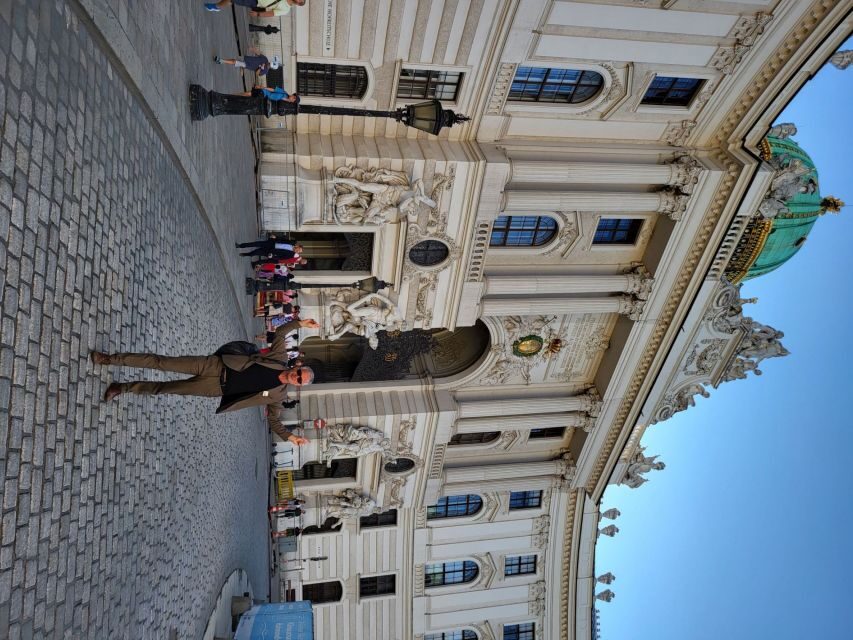
Next up is the Am Hof area, followed by the Kohlmarkt and Michaelerplatz zone. This is where the tour starts to feel like a guided tour of power corridors—without turning it into a lecture-only experience.
Kohlmarkt and Michaelerplatz are especially helpful for first-time visitors because they sit right where you want to be orienting yourself. As the guide explains, you begin to see Vienna as a city that’s both ceremonial and everyday. That dual identity is part of what makes it different from places that feel purely monumental.
If you’ve ever walked through a historic center and thought, I know I’m in a great place, but I don’t know how it became one—this segment helps fix that.
Hofburg and Heldenplatz: why Vienna ruled from the center
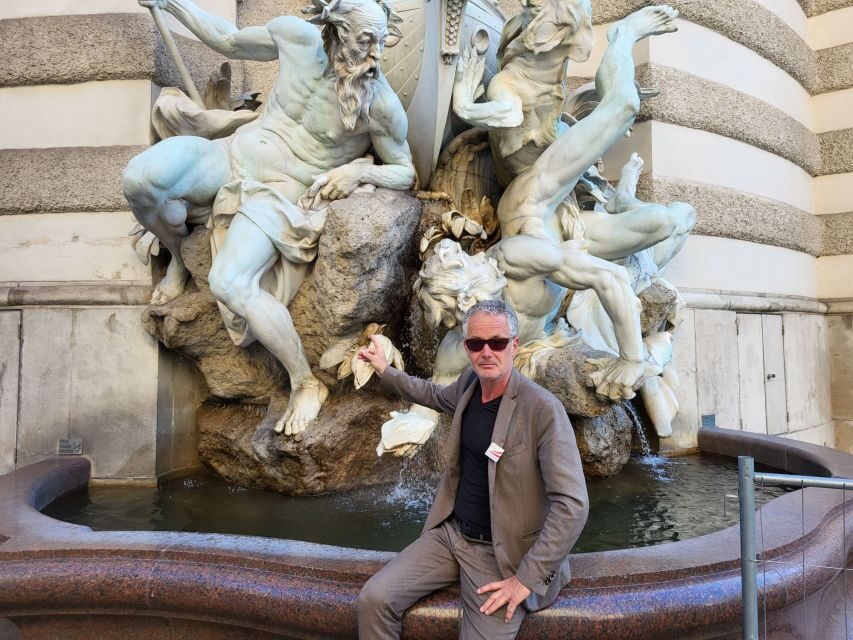
The tour’s Hofburg piece is a key selling point. You don’t just hear that the Hofburg is important. You get help understanding it as a residential city—meaning it wasn’t only a government building. It was where life happened, where power showed itself in daily form, and where rulers shaped the city from within.
Then you move on to Heldenplatz. This is one of those open areas where your brain suddenly goes from street-level detail to “how did this city present itself?” The guide’s goal here is to connect rulers you’ve probably heard of—like Charles V and later Franz Josef and Elisabeth—to the physical space you can actually see.
If imperial names matter to you (or if you’ve wondered why Vienna is tied to that whole royal era), this is where you’ll feel the tour paying off.


Burggarten and Josefsplatz: imperial Vienna softened by gardens and squares
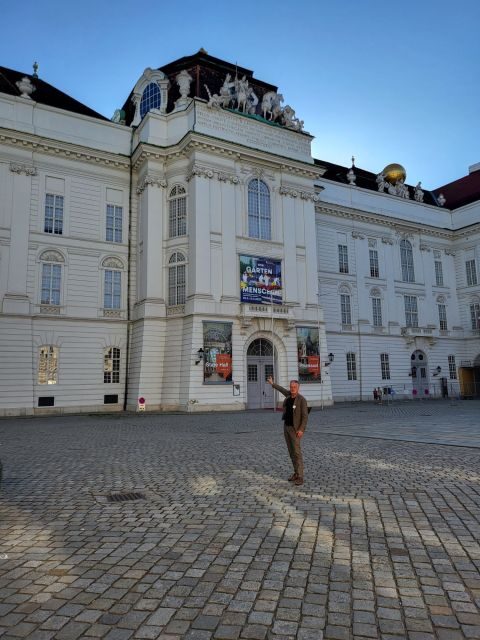
After Heldenplatz, the route takes you toward Burggarten and Josefsplatz. This section works well because it balances the “hard power” feel of palace areas with calmer, more open space.
Gardens and squares can sound like filler on a typical walking tour. Here, you’re being trained to read them as part of the same system: the city’s design reflects how people lived, how they moved, and how rulers wanted the capital to look and feel.
You also get another advantage: these are natural pauses where you can reset your attention. That matters because by now you’ve absorbed a lot of timeline and architectural ideas.
Albertina and the Capuchin Crypt: art, politics, and memory
The route continues near the Albertina area, then on to the Capuchin Crypt. This is another major value moment because it broadens what you mean by Vienna’s identity.
You’re not only talking about buildings. You’re talking about what the city remembers and how it commemorates. The Capuchin Crypt stop connects the royal story to a place that holds personal and historical meaning—so Vienna’s “imperial” theme doesn’t stay abstract.
And the Albertina area adds another layer. Even without getting lost in museum-style talk, the guide uses the city’s cultural reputation as context. It helps you understand why Vienna became known for art and music while also serving as a political center.
Franziskanerplatz, Domgasse, and St. Stephen’s: the emotional center lands last
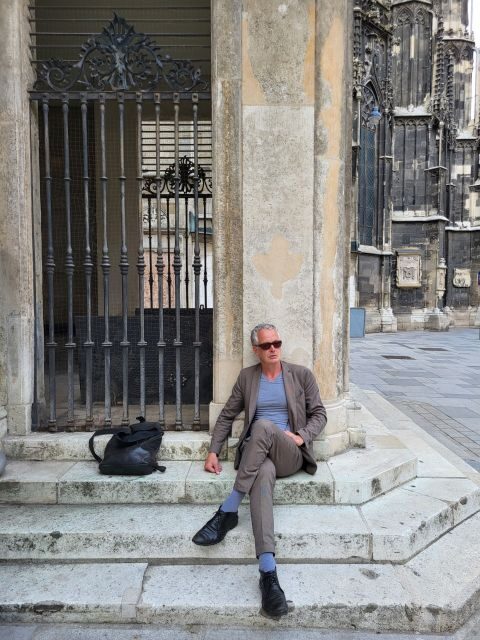
The tour’s final stretch brings you through Franziskanerplatz and Domgasse to St. Stephen’s Cathedral. This is the anchor point for a reason. St. Stephen’s isn’t just a landmark. It’s described as the geographical and emotional center of the city, and once you arrive, you can see why that phrasing makes sense.
As a closing act, it works because everything you learned earlier starts to click. You’ve already been thinking about eras, architecture, and rulers. Now you’re standing at a place that helps unify the whole story into one strong visual.
If you’re the type who wants to leave with one clear, lasting image of Vienna, this end point does the job.
Price and what $35 really buys you
At about $35 per person for a 2-hour guided walk, the value depends on what you’re trying to get out of Vienna.
If you want a quick hit of architecture and landmarks with zero guidance, you can find cheaper options. But if you want the city to start making sense—how the centuries connect, why the Hofburg matters as a residential center, and why St. Stephen’s is treated like the heart—you’re buying interpretation. That’s the difference.
I also think the guide quality matters here. The tour’s standout feedback centers on Christian Grausam’s ability to connect history and epochs to the buildings you’re seeing, and to keep it lively rather than stiff. When a guide can do that, you’re not paying for time on a schedule—you’re paying for a clearer understanding of what you’re looking at.
Who should book this tour (and who might skip it)
This tour fits you well if:
- You’re a first-time Vienna visitor and want a strong orientation fast
- You like history that ties to real street corners and architecture
- You want art and music context tied to places, not just names
- You enjoy guides who explain patterns and meanings, not only dates
You might consider skipping if:
- You need a more relaxed pace with lots of sitting breaks
- You’re not comfortable with German, since the tour is conducted in German
- You have mobility limitations (it’s not suitable for people with mobility impairments)
Tips that make the tour smoother
- Arrive 10 minutes early so you don’t stress at the start.
- Travel light. Luggage or large bags aren’t allowed.
- Bring weather-appropriate layers. It runs rain or shine.
- If your booked meeting option lists Freyung, expect the start to be around that area (meeting points can vary by option).
Should you book the Weltstadt guided Citytour?
Yes—if your goal is understanding Vienna, not just taking pictures. The big strengths here are the guide’s ability to link history to the buildings you see and the way the route gives you a coherent overview of the city center in just two hours. You finish with St. Stephen’s Cathedral, and by then the earlier stops feel like they were building toward something, not just passing through places.
I’d particularly recommend it to anyone who feels overwhelmed by Vienna’s scale. This tour gives you a practical structure: Roman beginnings, imperial centers like the Hofburg and Heldenplatz, cultural context, and a final emotional anchor at St. Stephen’s.
FAQ
How long is the Vienna guided Citytour?
It lasts about 2 hours.
What does the tour cost?
The price is listed as $35 per person.
What languages is the tour offered in?
The live tour guide gives the tour in German.
Who leads the tour?
The provider lists Christian Grausam as the guide.
Where does the tour start?
The meeting point may vary depending on the option booked. If your option names Freyung, the meeting point is in that area.
Will the tour run in bad weather?
Yes. The tour takes place rain or shine.
Is luggage allowed?
No. Luggage or large bags are not allowed.
Is the tour suitable for people with mobility impairments?
No. It is not suitable for people with mobility impairments.
When should I arrive at the meeting point?
Please arrive 10 minutes prior to the start of the tour.
Is cancellation possible?
Free cancellation is available up to 24 hours in advance for a full refund.