REVIEW · VIENNA
An Introduction to Vienna Walking Tour
Book on Viator →Operated by Insight Cities · Bookable on Viator
Vienna hits you fast, but this tour slows time down. You’ll get an expert historian guide to connect the big sights to the people behind Austria’s turning points, with storytellers like Wolfgang, Annelie, Katarina, and Ilse bringing it to life. I especially like the small-group feel (rarely more than a handful of people) and the tight orientation to the city’s main landmarks in about 2.5 hours.
One thing to consider: at $181.02 per person, it’s not a budget walking tour. If your idea of Vienna is mostly quick photo stops, you may feel the price is steep compared with cheaper big-group options.
In This Review
- Key things you should know before you go
- Starting at Café Hawelka: location, pace, and meeting up
- Small-group reality: why up to 8 people matters
- Secession building: the city’s avant-garde moment (and why it’s not just art)
- Stephansdom: a cathedral you can read like a timeline
- Hofburg and Michaelerplatz: Habsburg power in walking distance
- Naschmarkt and Vienna’s meeting places: food culture with context
- Kohlmarkt and the Graben: fashion street meets a plague reminder
- Ringstraße and luxury hotels: the 19th-century grand plan
- Loos House: from ornament to ideas (Adolf Loos, in real form)
- Maria-Theresien-Platz: a museum concentration you’ll actually use later
- Price and logistics: is $181.02 worth it?
- Best timing: when this walk fits your Vienna days
- Who should book this Vienna walking tour (and who might not)
- Should you book this tour?
- FAQ
- How long is the Vienna walking tour?
- How much does the tour cost?
- What group size should I expect?
- Where does the tour start?
- Is the tour in English?
- What’s included in the price?
- Can I cancel for a full refund?
Key things you should know before you go
- Small groups (max 8 travelers) mean more chances to ask questions and get answers that fit what you care about.
- Historian guide-led storytelling ties buildings to real events, including lighter moments and darker wartime memories.
- A strong first-day orientation route that helps you plan the rest of your trip on your own.
- Architectural variety in one walk, from turn-of-the-century Secession ideas to Ringstraße grandeur and the Adolf Loos modern look.
- Food culture stops show where Viennese life happens, not just where tourists gather.
- Extra guide touches like music cues (Mozart/Haydn) and small local tastings can turn a normal walk into a memorable one.
Starting at Café Hawelka: location, pace, and meeting up

The meet-up point is Café Hawelka on Dorotheergasse, right in central Vienna. That’s a good sign. You’ll start in an area that’s easy to reach with public transportation, and it keeps your day from turning into a travel puzzle before the tour even begins.
This walk runs about 2 hours 30 minutes, so plan for a steady pace and a lot of standing-and-walking. It’s long enough to feel like you saw the city, but short enough to still have energy for museums, coffee, and dinner later.
You’ll also want to be ready for weather. One review called out how the guide kept everyone engaged even in rain and wind—so bring a jacket and footwear you trust. Vienna can be perfectly walkable, until it decides otherwise.
You can also read our reviews of more walking tours in Vienna
Small-group reality: why up to 8 people matters
With a maximum of 8 travelers, this doesn’t feel like herding. Even when the group is small, the tour format stays structured: the guide leads, you follow, and you get context as you move.
This size has a few practical perks:
- You can ask questions without waiting your turn forever.
- The guide can adjust the flow when you’re curious about, say, Habsburg politics versus architecture versus music history.
- You’re more likely to get personal recommendations, like which nearby cafés and local bites to try after the walk.
From the guide names people shared—Christina, Elisabeth, Christina again, Annelie, Wolfgang, Katarina, Ilse, and Ilsa—it’s clear the guides bring both academic depth and real affection for the city. That matters because you’re not just collecting facts. You’re learning how to read Vienna as a place shaped by decisions, wars, design trends, and everyday habits.
Secession building: the city’s avant-garde moment (and why it’s not just art)
Your route swings first toward the Secession building, a key site for Vienna’s turn-of-the-century avant-gardism. This is the part of Vienna that isn’t only imperial and baroque. It’s the Vienna of new ideas—art that pushes back, culture that argues with tradition, and famous figures you’ll connect to places you see later in the day.
The value here isn’t only spotting the building. It’s understanding the cultural mood. Viennese modernism didn’t appear out of nowhere; it grew out of tensions—between old institutions and new voices. You’ll hear stories tying those ideas to major names such as Klimt and Mahler, which gives you a cleaner mental map for what you’ll see in other parts of the city.
If you’re the type who likes to understand what a building meant to people at the time, you’ll probably love this stop. If you mainly want straightforward sightseeing, it still works because it sets the theme: Vienna is full of contradictions, and that’s the point.
Stephansdom: a cathedral you can read like a timeline
Next up is Stephansdom, Austria’s architectural icon. This is a stop that works for almost everyone because it’s recognizable even if you don’t know the story.
But the tour doesn’t treat it like a postcard. The guide frames it as part of a long-running Vienna story: the power of the church, the city’s architectural ambition, and the way older landmarks anchor later eras. That helps you avoid the common problem of standing in front of a famous building and realizing you remember almost nothing afterward.
You’ll also get a smoother transition into the political core of Vienna, which is the next big theme. In other words: this stop is a bridge, not just a destination.
Hofburg and Michaelerplatz: Habsburg power in walking distance
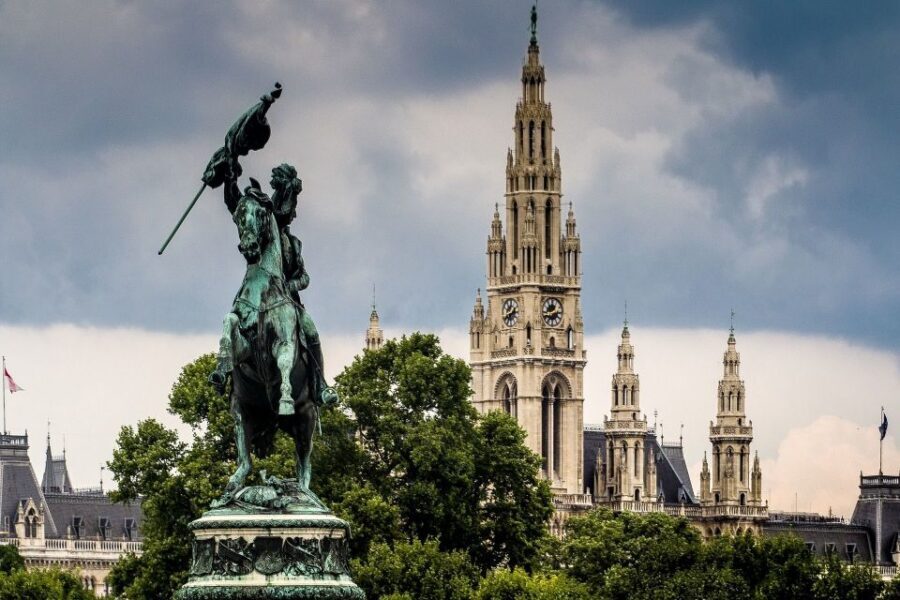
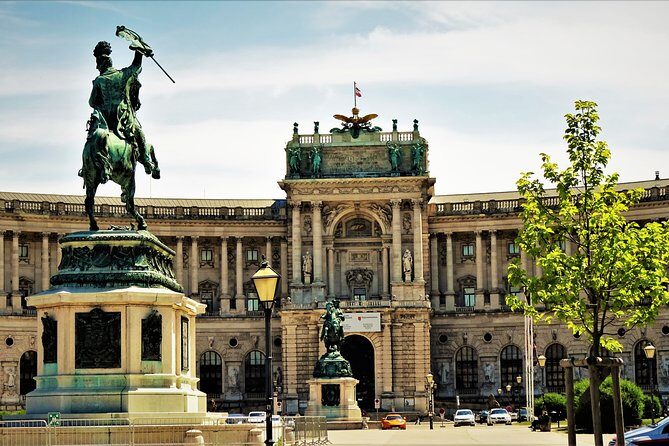
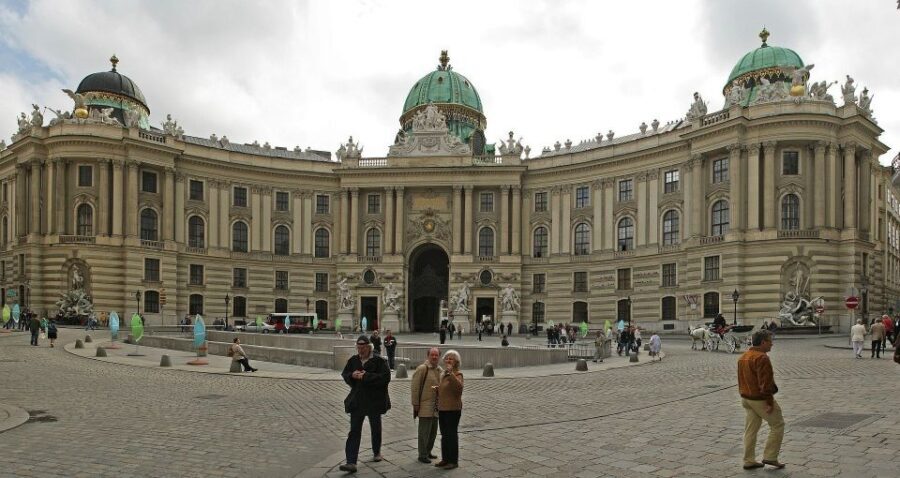
The day centers on the Hofburg, the Habsburgs’ imperial palace complex and a seat of power stretching back to the 13th century. You start near Michaelerplatz, where the Hofburg dominates the square—so even before you get details, you understand the scale of what you’re dealing with.
This isn’t presented as dry genealogy. The Hofburg story is about how an empire shaped everyday spaces. The guide connects what you see from the street—palace architecture, how power was displayed, and why this region became the command center of so much Austrian history.
You’ll also hear the human angle. One theme that comes through across guides is the way Vienna remembers trauma as well as triumph. For example, at points tied to major institutions, some guides highlight wartime losses connected to the Opera House area and underground bomb shelters. It’s handled in a way that adds weight without turning the whole walk into a downer.
If you’re visiting Vienna for the first time, this is where the tour earns its keep. It gives you a framework that makes later sightseeing feel less random.


Naschmarkt and Vienna’s meeting places: food culture with context
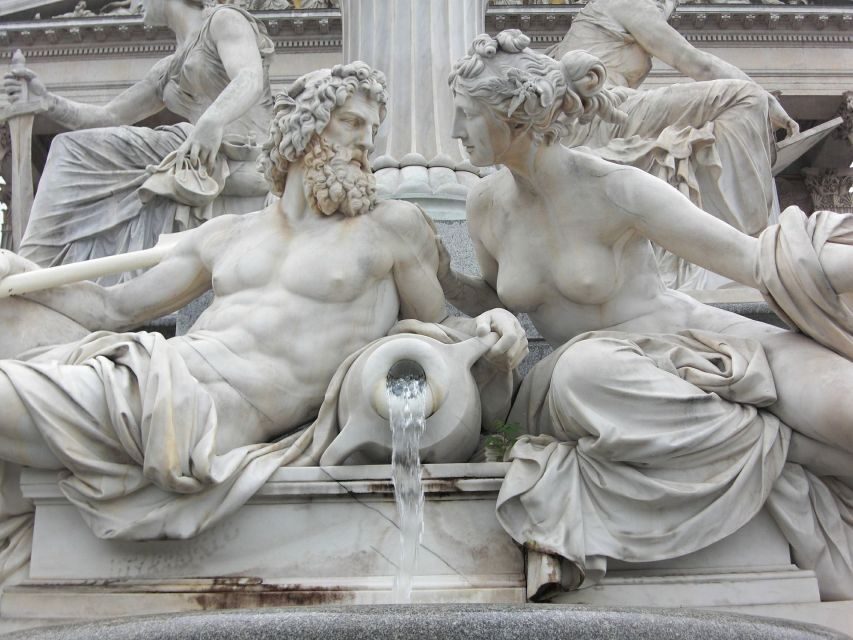
Then you shift from palaces to people. You’ll pass by the Naschmarkt, a traditional food market where locals shop and mingle.
What I like about this stop is that it’s not just a “look at the market” moment. It helps you understand Vienna as a living city, not only a museum. And it gives you something useful for later: after the tour, you’ll have a stronger sense of where to wander when you want food without guesswork.
If you’re going to snack during your trip, the Naschmarkt area is a logical place to aim. Even if you skip the market foods, you’ll come away with a better feel for how Viennese social life works in public spaces.
Kohlmarkt and the Graben: fashion street meets a plague reminder
The walk continues through Kohlmarkt and the Graben, now one of Vienna’s more fashionable shopping districts. On the surface, it’s a classic Central European center-street scene: beautiful buildings, prime locations, and lots of foot traffic.
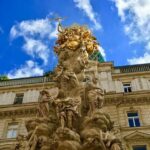
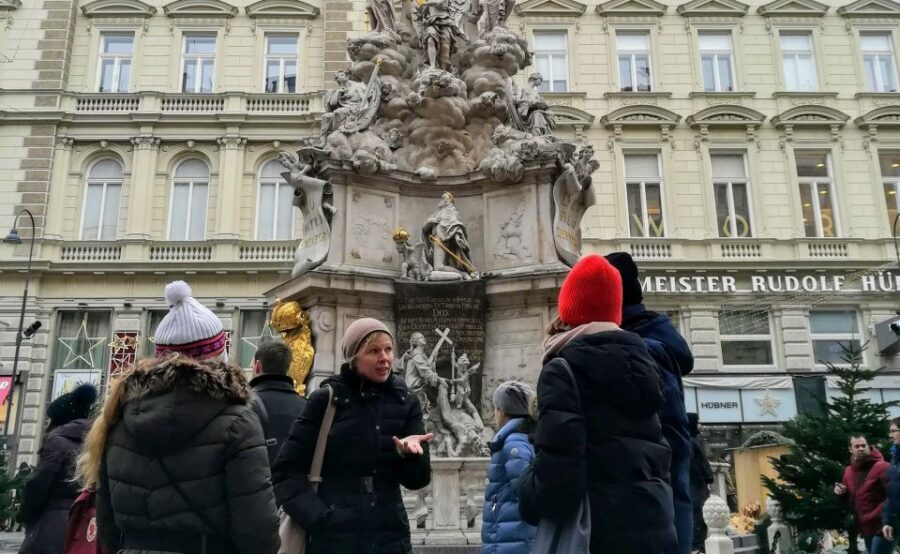
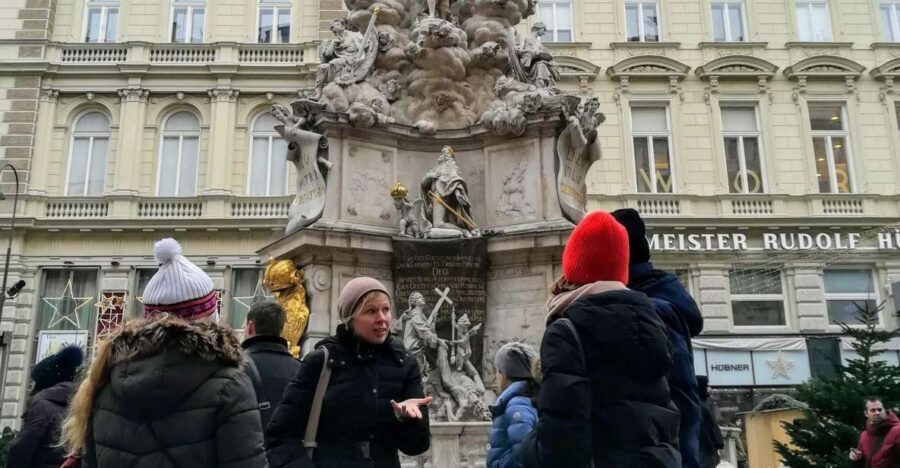
But the tour adds a detail that changes your perspective. You’ll hear about a plague column commemorating the 17th-century bubonic plague outbreak. That kind of story is exactly why a guided walk beats a self-guided stroll. You don’t just see the street—you learn why that street has scars in its stone.
This is also where a good guide makes the tour feel real. Several guides are described as flexible, interactive, and willing to answer questions, which is important here. If you’re curious about why memorials appear in shopping streets, or how cities rebuilt after disasters, this stop becomes more than a quick photo.
Ringstraße and luxury hotels: the 19th-century grand plan
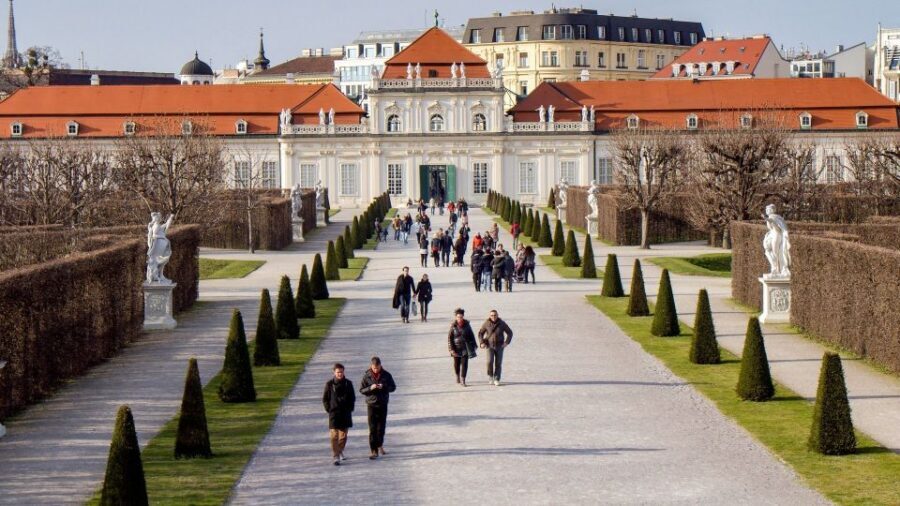
A major highlight is the stroll along Ringstraße, the grand boulevard built in the middle of the 19th century. This is Vienna’s big “here’s the empire showing off” segment, and you’ll pass by sites where you can spot how luxury hotels were established within older palace walls.
The way to get value here is mental. Ringstraße is the layout lesson. Once you understand it, you can navigate Vienna more confidently later without feeling like you’re always starting from scratch. Even better: it gives you a sense of why so much of Vienna feels intentionally staged—power, culture, and wealth aligned into one sweeping plan.
If you’re someone who loves city structure, this is one of the strongest parts of the tour.
Loos House: from ornament to ideas (Adolf Loos, in real form)
You’ll also see the Loos House, designed by Adolf Loos (1870–1933). It’s part of what makes Vienna such a rewarding walking city: different design philosophies sit close together, like arguments living side by side.
Loos House is especially useful if you care about modern architecture. The tour’s framing helps you connect this look to the broader shift away from heavy decoration toward more direct, modern thinking. And because you’re seeing it after the Ringstraße segment, you get an easier comparison between “grand statements” and “clean statements.”
Even if you don’t memorize design vocabulary, you’ll walk away with a clearer idea of how Vienna moved through different aesthetic moods.
Maria-Theresien-Platz: a museum concentration you’ll actually use later
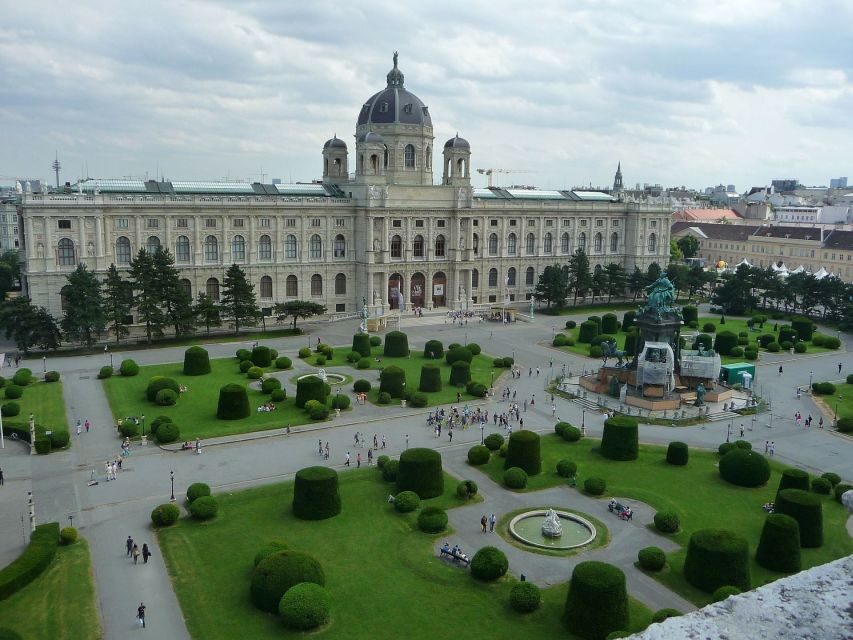
The walk ends by reaching Maria-Theresien-Platz, known for the largest concentration of museums. This stop is practical. Even if you don’t go into museums that day, it gives you a ready-made plan for later.
The key value is that you’ll understand where the museum cluster is relative to the rest of the center. When you start picking tickets and timing your day, that map in your head saves time. It’s the difference between randomly choosing what’s open and building a route that makes sense.
Price and logistics: is $181.02 worth it?
At $181.02 per person for about 2.5 hours, the value depends on what you want out of Vienna.
Here’s how to decide:
- If you want orientation plus deeper context from a guide who can answer questions and steer your route a bit based on interest, this price can make sense. Small group size helps justify it.
- If you only want a fast list of headline sights, you might feel the cost is high. One review specifically called out that a walking tour can feel overpriced if you expected additional stops like city hall or parliament. That’s a fair consideration.
In the real world, I treat this as a “first-day anchor” tour. Book it early so it pays off across your whole trip. One helpful signal: it’s booked about 53 days in advance on average, so don’t wait until the last minute if your dates are fixed.
Also, you’ll get a mobile ticket and English-speaking guides, which makes the whole process straightforward. The tour includes the guided walk with a historian guide, while food and drinks aren’t included unless specified, so budget for snacks separately.
Best timing: when this walk fits your Vienna days
This tour really makes the most sense early in your visit. Multiple guides have built their delivery around teaching you how to read the city, not just pointing at it. If you do it on day one, you’ll spend day two and day three walking with more confidence because you understand how the pieces connect.
It also works well if you’re the type who wants a mix of culture and city structure: architecture, power history, and everyday life in markets and streets.
If your trip is short, you’ll feel the benefit more. A 2.5-hour orientation walk can prevent that late-trip scramble where you end up revisiting the same central areas because you never built a mental map.
Who should book this Vienna walking tour (and who might not)
I’d point you toward this tour if you want:
- A small-group walk with real Q and A time
- A guide who connects buildings to events, including tougher wartime memories
- An efficient way to see major central sights without planning a route from scratch
I’d think twice if you:
- Want only a quick hit of photos and don’t care much about historical context
- Are very price sensitive and feel $181.02 is more than you want to pay for a walking route
- Expect interior visits to additional civic buildings beyond what the route covers
In short: this is for people who want Vienna to make sense—not just look pretty.
Should you book this tour?
Yes, if you’re planning your Vienna days and you want an orientation walk guided by a historian with a small-group setup. The Hofburg, Ringstraße, and museum-cluster placement make it useful even after the tour ends. And the extra guide touches—music cues and small tastings—are the kind of detail that can make the morning feel like more than a checklist.
If you mainly want budget sightseeing, then you may prefer a cheaper large-group option. But if you care about stories, structure, and asking questions, this is the kind of tour that makes your later independent wandering smarter.
FAQ
How long is the Vienna walking tour?
It’s about 2 hours 30 minutes.
How much does the tour cost?
The price is $181.02 per person.
What group size should I expect?
It’s a small group: the booking allows a maximum of 6 people, and the experience can have a maximum of 8 travelers.
Where does the tour start?
The tour starts at Café Hawelka, Dorotheergasse 6, 1010 Wien, Austria.
Is the tour in English?
Yes, it’s offered in English.
What’s included in the price?
You get a 2.5-hour guided walk with a historian guide.
Can I cancel for a full refund?
Yes. You can cancel up to 24 hours in advance for a full refund.