Vienna’s courtyards hide the city’s real personality. In this 2-hour small-group walk, you move from Stephansplatz toward Mozart’s final residence and into lesser-known lanes where legends cling to the architecture. I especially like the courtyard detours and the way the guide keeps Mozart grounded in what Vienna meant to his life. One drawback to consider: the route isn’t suitable if you use a wheelchair or need mobility support, and you’ll want to travel light since large bags aren’t allowed.
You’ll also get guided time near St. Stephen’s Cathedral plus stops that go beyond the usual selfie circuit, including Palais Neupauer-Breuner, the Franciscan Church and Monastery, and classic street names like Blutgasse and Domgasse. It’s quick, story-led, and it works even if you didn’t do Part 1 first.
In This Review
- Key highlights
- Courtyards & hidden lanes: why this walking tour feels different
- Two hours, small group, and where you’ll start and end
- Stephansplatz to St. Stephen’s Cathedral: what the guide pays attention to
- Mozart’s final residence: the life stories behind the address
- Palais Neupauer-Breuner, Deutsches Haus, and courtyard architecture
- Blutgasse, Domgasse, Ballgasse, and the cow-playing house
- University of Vienna, Jesuit Church, and the old city wall
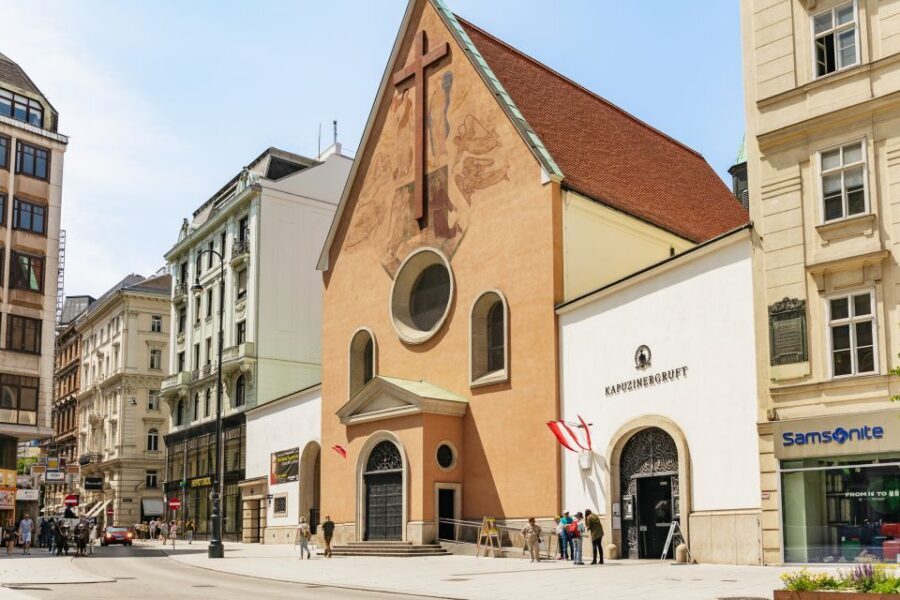
- Franciscan Church and Monastery plus Viennese food tips
- Price and value: is $34 fair for a 2-hour story-walk?
- Should you book this courtyards tour?
- FAQ
- How long is the Vienna Courtyards & Hidden Places Walking Tour?
- How much does the tour cost?
- What languages are the live guides?
- Do I need to take Part 1 first?
- Are luggage or audio recordings allowed?
- Is this tour suitable for children or wheelchair users?
Key highlights
- Courtyard detours that turn “pretty interiors” into real stories
- Mozart’s final residence with context meant to correct common myths
- St. Stephen’s Cathedral area plus nearby streets, not just one monument
- Named stops like Palais Neupauer-Breuner, Deutsches Haus, and the Franciscan monastery
- Small-group pacing with room for the guide to explain the why behind the what
Courtyards & hidden lanes: why this walking tour feels different
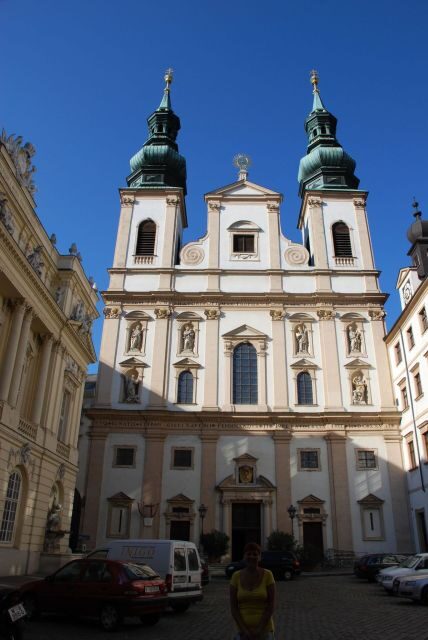
This tour is designed for the part of Vienna you don’t always get when you stick to major sights: the in-between spaces. You’re not just walking past buildings on a postcard. You’re getting guided access to the kind of courtyards and side passages that make the historical center feel human-scale and lived-in.
The guide (Viennatour Herbert Stojaspal provides a certified tourist guide from Vienna) keeps the route light on pure lecture and heavy on stories. I like that the focus stays practical: where you are, why it matters, and what to notice while you’re standing there. You may even get visual context for Vienna’s 20th-century past, including photos connected to post–World War II damage and rebuilding, which helps you see the city as something that survived and changed.
Best of all, the humor and empathy you want from a city guide show up in the way stories are told. Even when the facts are serious, the pacing stays friendly, with explanations broken up by short walks between stops.
You can also read our reviews of more walking tours in Vienna
Two hours, small group, and where you’ll start and end
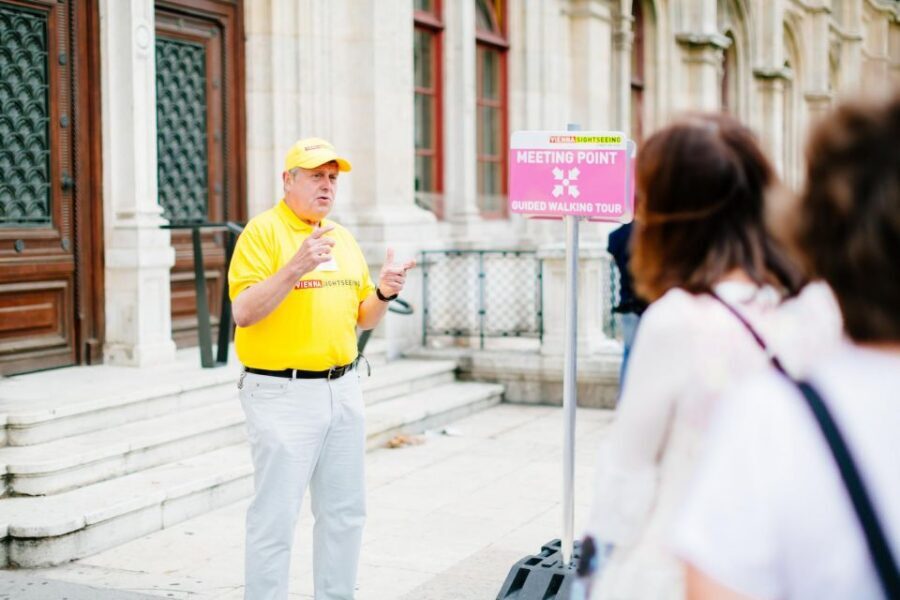
You’re looking at about 2 hours of walking. That matters, because it’s long enough to cover multiple landmark areas, but short enough that you’re not stuck all day doing “tour mode.” It’s also a small-group experience, so you’re more likely to feel like you’re with a guide than in a crowd.
Meeting points can vary depending on the option you booked, and the tour starts from one of two “Bankomat” locations. You’ll end at Dr.-Karl-Lueger-Platz 3, 1010 Wien. There’s no pick-up or drop-off to hotels, so plan to arrive under your own power.
Practical notes that affect comfort: this tour runs in all weather conditions, and it doesn’t work for people with mobility impairments or wheelchair users. Also, no large bags are allowed, and audio recording isn’t permitted. If you’re the type who brings a big daypack, consider swapping to a small backpack or crossbody so you don’t feel stressed on narrow streets.
Languages are handled well for visitors—live guiding in English and German.
Stephansplatz to St. Stephen’s Cathedral: what the guide pays attention to
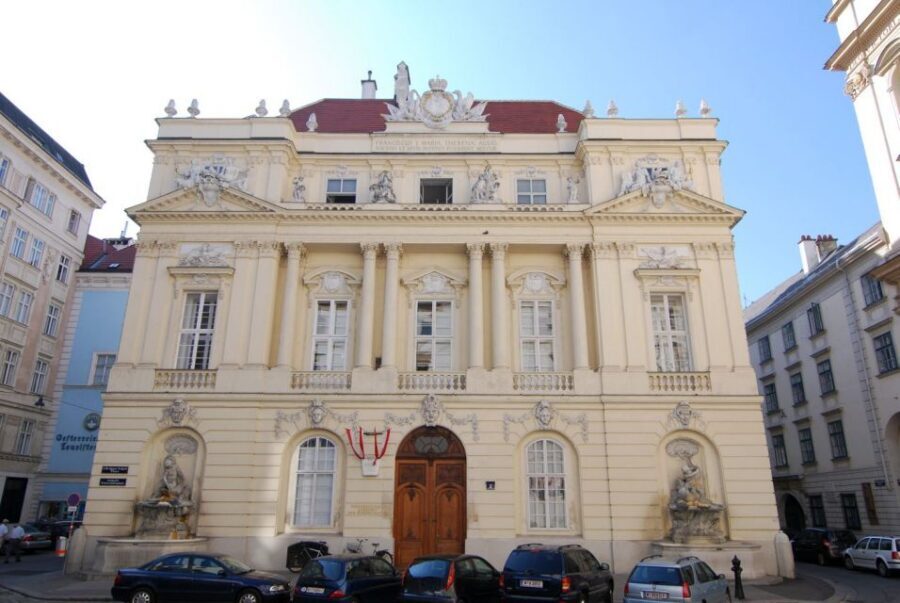
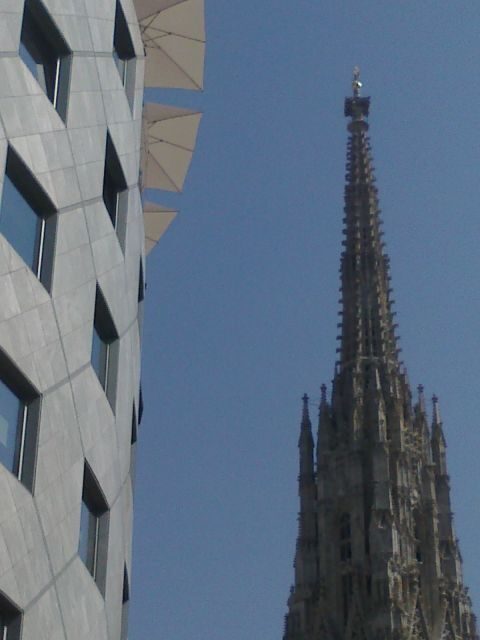
St. Stephen’s Cathedral (and the Stephansplatz area) is one of the first big anchors of the walk. You’ll see it with context, not just “there it is.” The guide frames the cathedral as a center point for city life, then uses what you’re looking at to point toward the surrounding streets and buildings.
One thing to calibrate: this tour doesn’t try to be a full cathedral deep study. You’ll get guided attention, but the route moves on quickly to side streets and courtyard areas. So if your main goal is spending a lot of time inside the cathedral or getting a long focused explanation of every detail, you may want to plan extra time on your own.
You’ll also benefit if you’re comfortable walking through busy areas and then stepping into quieter spaces. That shift—from loud square to tucked-away passage—is part of the tour’s payoff.
Mozart’s final residence: the life stories behind the address
Mozart’s final residence is a key stop, and it’s used as more than a name-check. The tour aims to share the truth of his life as it connects to Vienna, with the guide tackling the gap between what people think they know and what fits the timeline of his final years.
I like this approach because it changes how you see the area. Instead of treating Mozart as a distant genius statue, you’re nudged to think about Vienna as the “stage” around his personal and artistic reality—streets, neighbors, and the city environment that surrounded him.
You’ll also get that satisfying feeling of doing more than one famous stop per hour. Mozart’s residence is paired with other central landmarks, so your brain builds a route map: cathedral zone, then Mozart’s world, then outward into courts and monastery-adjacent corners.
If you’re a Mozart fan, this is the kind of walk where your photos will come with context afterward.
Palais Neupauer-Breuner, Deutsches Haus, and courtyard architecture
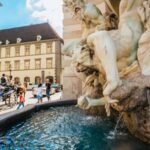
This is where the tour earns its title. Palais Neupauer-Breuner and Deutsches Haus show you the elegance of Vienna’s central architecture, but the real magic is what the guide does next: you connect those facades to the courtyard spaces that sit behind them.
In practical terms, courtyards are often where the city feels most “Vienna.” They’re calmer. They hint at how families, businesses, and institutions used the architecture. And because the guide attaches legends and stories to these places, the courtyards stop being just pretty backdrops.
I also appreciate that you’re not bouncing aimlessly. The tour threads the center together: palace fronts, named buildings, then the interior spaces that explain why Vienna’s historical center feels layered rather than flat.
If you like architectural details, this section is a strong match for you. If you’re mostly chasing monuments, you’ll still likely leave with a better sense of how buildings functioned day-to-day.


Blutgasse, Domgasse, Ballgasse, and the cow-playing house
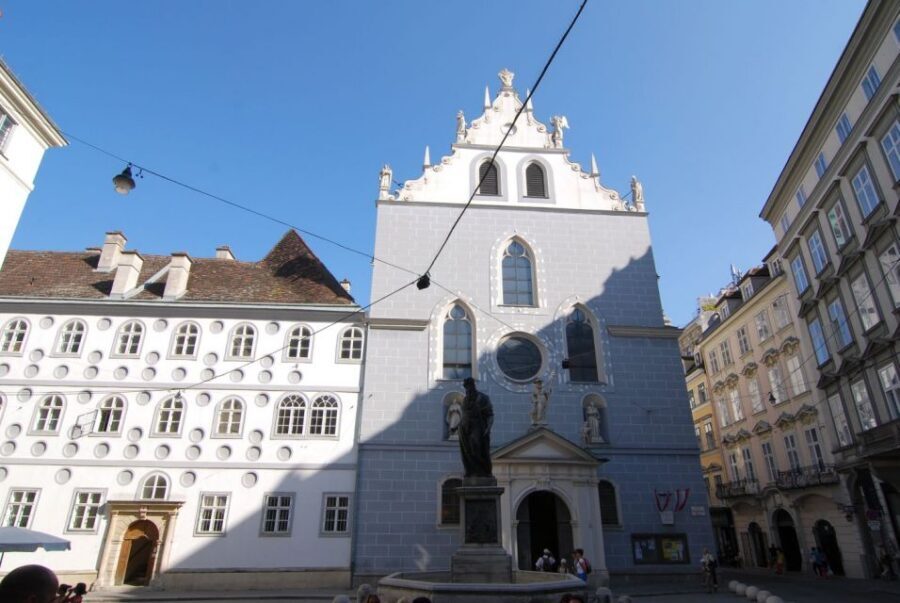
Street names here are part of the entertainment. You’ll walk through areas connected to Blutgasse and Domgasse, plus Ballgasse, where the guide ties in stories that make these names more than trivia.
Then there’s the standout called the house where the cow plays on the board. That stop is exactly the kind of Vienna detail I enjoy on guided walks: a strange, memorable reference that turns into a real piece of the city’s personality once the guide explains what you’re seeing and why it’s known.
For you, the practical benefit is simple. After this section, you’ll know what to look for as you wander independently later: gateways, courtyard entrances, and building markers that you’d otherwise miss.
The route also has a good rhythm here. Walk a few minutes, look at the facade and context, then step into or near an interior space where the story lands. It keeps you engaged without making you sprint.
University of Vienna, Jesuit Church, and the old city wall
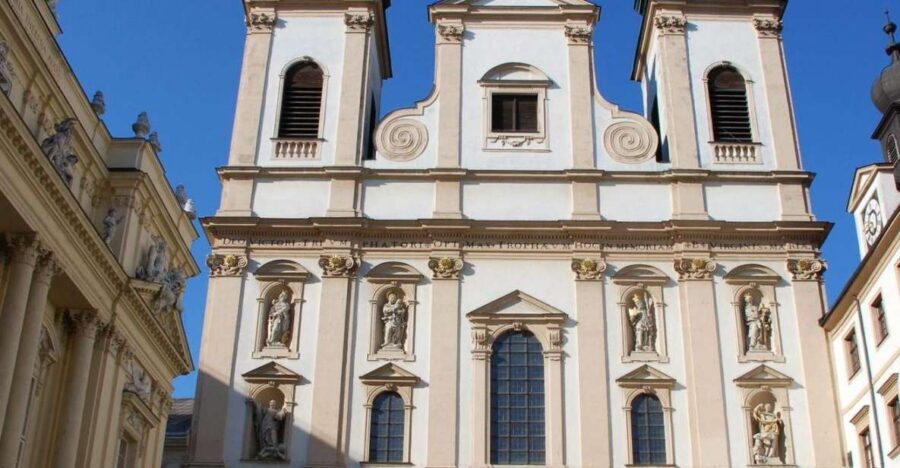
The walk shifts toward the old university district, with the University of Vienna area included, along with the Jesuit Church and traces related to the old city wall. Even if you don’t know the details of each institution, the guide’s explanations help you connect them to the physical layout of the center.
I like this part because it turns Vienna’s “sights” into a map of influence: education, religious power, and defense shaping how people moved and lived. When you understand that, the historical center stops feeling like a collection of isolated buildings.
This section is also a good reminder that Vienna’s central streets aren’t uniform. You’ll likely notice changes in street width, building scale, and sightlines as you move through the area. It’s one of those walks where you start thinking like a planner—how the city works as a system.
Wear comfortable shoes. You’ll be on uneven older streets at points, and the tour’s value depends on your ability to keep moving smoothly.
Franciscan Church and Monastery plus Viennese food tips
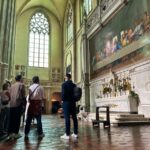
The Franciscan Church and Monastery adds a quieter, more reflective tone to the walk. This is a useful counterweight to the louder, more famous spaces near the cathedral area. You get to slow down your senses for a bit and absorb the atmosphere the guide connects to the city’s traditions.
The tour also includes time where you learn about traditional Viennese cuisine. The goal isn’t to turn you into a food critic in 2 hours; it’s more like giving you a foundation so your restaurant choices make sense. After the walk, you’ll be better prepared to recognize what counts as classic Viennese comfort food and how locals think about their culinary identity.
If you like travel experiences that connect culture points—food, architecture, daily life—this section is a nice finish. It also helps your next 24 hours in Vienna feel more informed, not just photographed.
Price and value: is $34 fair for a 2-hour story-walk?
At $34 per person for about 2 hours, the value comes from concentration. You’re not just buying entry to one attraction. You’re paying for a live, certified guide in English or German who links multiple high-profile landmarks with the smaller courtyard spaces that people often miss.
Because it’s a small-group tour, you’re also paying for explanation, not only for walking between points. The guide’s storytelling style matters here. If you want a tour where the route feels purposeful and the explanations keep you interested, this price feels reasonable.
The main value trade-off is time. Two hours can’t cover everything. The walk is built for seeing a lot and understanding the connections, not for long stops inside buildings or for extended questions at every location.
If your ideal Vienna day is slow and flexible, treat this as the “setup tour” that helps you wander better afterward.
Should you book this courtyards tour?
Book it if you want Vienna’s historical center with context: courtyards, street stories, Mozart’s final residence, and the Franciscan monastery, all tied together by a live guide. It’s especially appealing if you like architecture that has a story attached to it and you enjoy walking routes that reveal how the city functions.
Skip it if wheelchair access or mobility support is needed, or if you’re traveling with large bags. Also skip it if you want a long, inside-focused museum-style tour. This one is street-level, courtyard-led, and timed.
One more good note: the tour continues from Part 1 by the same operator, but you don’t need to have done Part 1 to enjoy this route. It’s built to make sense on its own.
FAQ
How long is the Vienna Courtyards & Hidden Places Walking Tour?
It lasts 2 hours.
How much does the tour cost?
The price is $34 per person.
What languages are the live guides?
The tour offers live guiding in English and German.
Do I need to take Part 1 first?
No. It continues from Part 1, but it is not a problem if you have not taken it beforehand.
Are luggage or audio recordings allowed?
No. Large bags or luggage aren’t allowed, and audio recording is not permitted.
Is this tour suitable for children or wheelchair users?
No. It is not suitable for children under 12, and it is not suitable for people with mobility impairments or wheelchair users.