REVIEW · VIENNA
Vienna Private Bike tour
Book on Viator →Operated by Velopold Vienna · Bookable on Viator
A bike tour is the quickest way to feel Vienna. This private ride strings together big-name sights and off-the-beaten-lane stops along the Danube Canal, with tight timing and a guide who keeps things moving without rushing. I especially liked the private pacing and easy start—everyone meets at Velopold, gets a bike, and even starts with a bottle of water.
I also love how the tour mixes landmarks with stories you can actually use while you ride. Guides such as Jeremy and Horst bring history to life with humor and clear explanations, so you’re not just taking photos—you’re getting context fast. One consideration: several stops don’t include admission, so if you plan to go inside at more than one venue, you may want to budget extra time and money.
The good news is the format is simple: about 3 hours, mostly short stops, and you end back at the starting point. Add in a mobile ticket and a group that stays limited to your party, and it’s a low-stress way to cover a lot of ground in a single afternoon.
In This Review
- Key highlights at a glance
- Why a 3-hour private bike ride works so well in Vienna
- Meeting at Velopold: bikes, water, and a fast start on the route
- Prater and Urania Sternwarte: Ferris-wheel views and Danube Canal energy
- From Michaelerplatz to the opera: how the city center keeps you oriented
- Danube Canal and Hundertwasserhaus: art you can photograph while moving
- Churches, museums, and memorials: meaning without losing momentum
- Burggarten and the final ride back: a gentle landing in the center
- Price and value: what $216.04 gets you (and when it’s worth it)
- Who this bike tour is best for
- Should you book this Vienna Private Bike Tour?
- FAQ
- How long is the Vienna Private Bike Tour?
- Is this tour private, or do I ride with strangers?
- What language is the tour offered in?
- Where do we meet, and does it end nearby?
- Are tickets for attractions included?
- What happens if the weather is bad?
Key highlights at a glance
- Bike rental and water at the meeting point so you’re rolling within minutes
- Private tour setup so your guide can respond to your interests and pace
- Danube Canal photo time plus explanations around the art and neighborhood feel
- City-center stops that balance classics and meaning from major opera history to the Holocaust memorial
- Museums and landmarks in a tight loop with short breaks for photos and context
- English-guided experience with a consistent storyline from start to finish
Why a 3-hour private bike ride works so well in Vienna
Vienna can feel big and spread out, especially if you’re trying to hit major sights by foot. This tour is designed to solve that problem with bike-friendly routing and quick, purposeful stops, so you get variety without spending your day in transit.
What makes it particularly good value is that it stays private. You’re not stuck waiting for a mixed-speed group. If you want more time on a viewpoint or less time at a specific stop, a private setup gives you more flexibility than the typical big-bus rhythm.
Also, the timing helps your brain. In roughly three hours, you see a lot, but each moment stays focused: picture, explanation, pedal on. That structure keeps the ride from feeling like a long lecture.
You can also read our reviews of more cycling tours in Vienna
Meeting at Velopold: bikes, water, and a fast start on the route
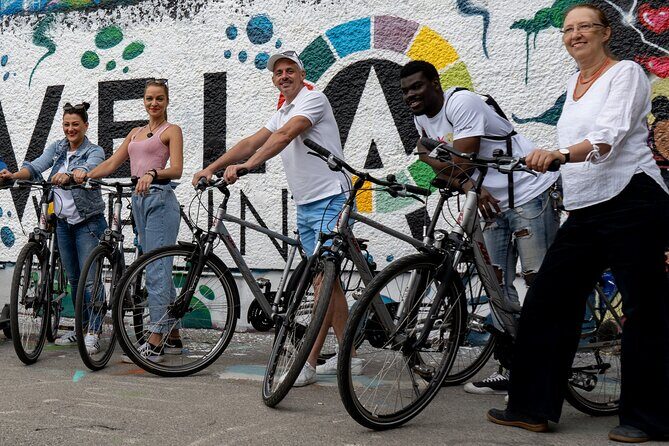
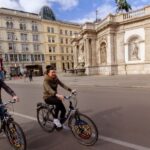
Everything begins at Obermüllnerstraße 11 (1020 Wien), at Velopold Vienna. This matters more than it sounds. A clear, easy start means you spend less time hunting for the group and more time actually exploring.
At the meeting point, you’ll get your bike and a bottle of water, plus a ticket is included for that portion. You’re not scrambling for rentals or wondering where to find the right gear. If you want to show up, get set, and go, this setup fits.
The tour runs in English and issues a mobile ticket. That’s handy because you don’t have to worry about printing or losing paper. And since service animals are allowed and the meeting point is near public transport, it’s also a practical choice for mixed travel styles.
Prater and Urania Sternwarte: Ferris-wheel views and Danube Canal energy
The first big highlight stop is Prater. You’ll have a brief, timed moment for photos and explanations around the Ferris wheel, the amusement park, and Kaiserallee. Even though the stop is short, it works because Prater is instantly recognizable once you’re there. You’ll get the quick “here’s what you’re looking at” context without losing the ride momentum.
Next comes Urania Sternwarte, located right next to the Danube Canal. This stop is about place and perspective: you’re learning about the spot and how it connects to the canal area. If you’re the type who likes Vienna beyond palaces and churches, this is a strong pivot point.
A short 5-minute stop also makes this part manageable. You see something different early, get oriented, and then you’re back on the bike while the day still feels fresh.
From Michaelerplatz to the opera: how the city center keeps you oriented
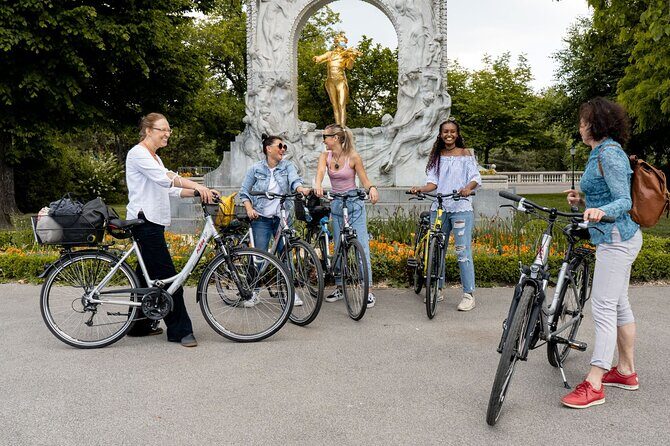
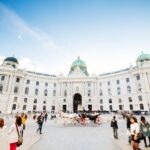
Michaelerplatz is next, described as a city-center landmark with beautiful old buildings. This is a good “reset” stop. You’re moving from canal-area energy back into core Vienna, and the guide’s explanations help you connect the architecture to how the city developed.
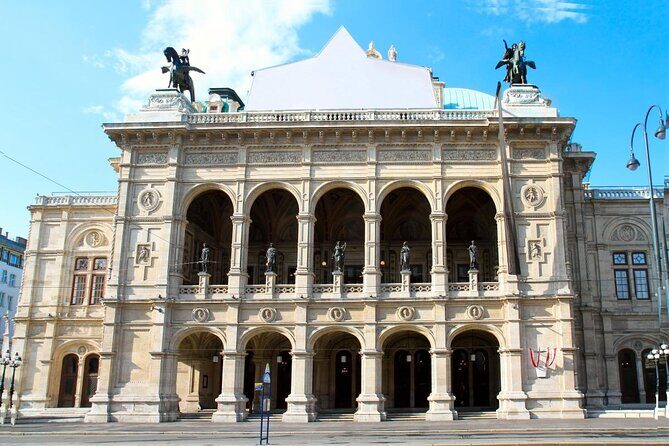
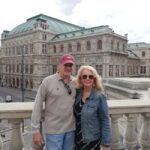
Then you roll toward Wiener Staatsoper for a stop focused on the history of music in Austria. Even if you don’t go inside, the timing is smart. You get the story while you’re close to the building, so the landmark feels real instead of abstract.
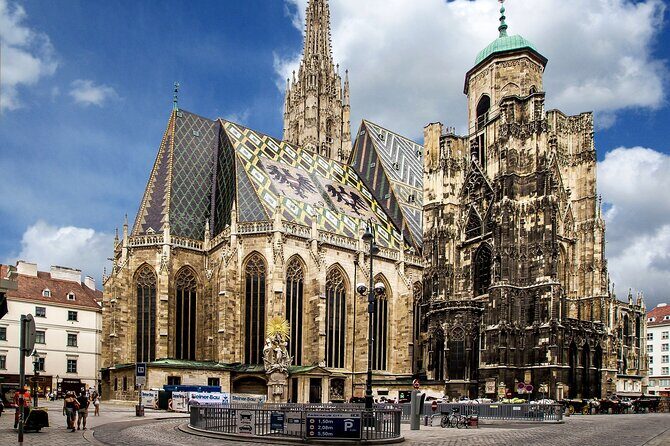
Stephansplatz follows, one of the most visited places in Vienna. You’ll have a chance to go inside and take photos, and your guide provides knowledge as you’re there. This stop is the kind that can eat time on your own, but on a guided bike route it stays efficient—and that’s the whole trick.
Danube Canal and Hundertwasserhaus: art you can photograph while moving
After the major center stops, you ride along the Danube Canal (Donau Kanal). This is where the tour turns more visual and more modern. You’ll drive alongside graffiti artworks and get time for photos, plus explanations about the area.
This part is valuable for two reasons. First, it breaks up the classic Vienna feel with street-art energy. Second, it’s happening while you’re already in motion, so you’re not doing the classic “stand in one spot for an hour” sightseeing pattern.
Then you’ll reach Hundertwasserhaus. You’ll receive information about the Austrian artist Hundertwasser, which adds meaning to what you’re seeing rather than turning the building into just a photo backdrop. Short stop, useful context, and back on the bike.
If you like your travel photos to come with a story you can tell later, this section is a strong match.
You can also read our reviews of more private tours in Vienna


Churches, museums, and memorials: meaning without losing momentum
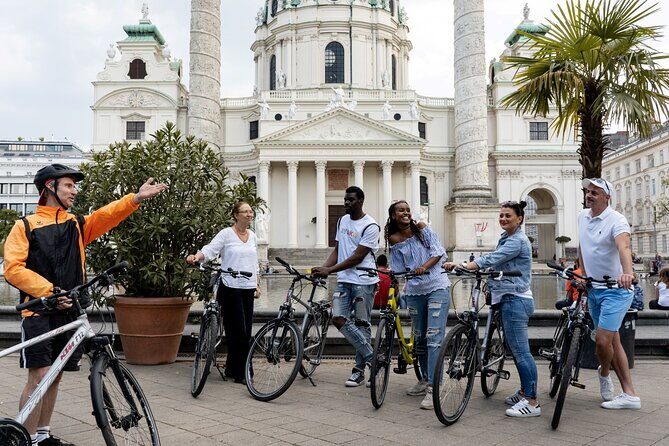
Karlskirche is one of the stops where the guide explains the history and how it was created. That phrasing matters: it suggests the tour focuses on understanding the landmark, not just staring at it. You get a quick lesson while you’re right there, which is often the easiest way to absorb religious architecture.
Naturhistorisches Museum Wien and Kunsthistorisches Museum Vienna come next. The tour positions both as among the world’s most important natural history museums, and you’ll get time for pictures plus guide information. Even though the stops are brief, visiting this area by bike is a smart way to sample major cultural institutions without booking a full museum day.
Then you move to Rathaus, with a short stop for information and photos.
Finally, Judenplatz Holocaust Memorial adds a heavier moment to the route. You’ll make a short stop and learn a little about the Holocaust history. This is the kind of stop where a guide’s framing matters, because it can be easy to treat memorials like photo stops. On this route, it’s handled as part of the flow, which helps you balance the day rather than dumping difficult history into the middle of a party-like sightseeing mood.
Burggarten and the final ride back: a gentle landing in the center
Burggarten is a city-center area where you’ll have a short stop to go inside, enjoy the view, and learn about it. This is a good closing movement because it shifts you from intense landmarks to lighter pacing.
After that, the tour ends back at the meeting point. That loop is useful because you’re not stuck with a logistics puzzle at the end of your day—you finish where you started, with your bike accounted for and your route already planned.
Price and value: what $216.04 gets you (and when it’s worth it)
At $216.04 per person for about 3 hours, this isn’t a budget snack. But it’s also not trying to be one. The main value driver is that it’s private, with your group only participating.
You’re paying for:
- bike rental and a practical start with water
- a guided route that packs many stops into a short window
- English narration and explanations during each stop
- a format that keeps you moving rather than waiting around
In other words, this tour is most worth it when you want efficiency plus guidance. If you’re the type who prefers to understand what you’re seeing (and not just collect photos), the price tends to make more sense quickly.
If you’re traveling as a couple or small group and you’d otherwise rely on transit plus self-guided map work, this private setup can feel like buying time and reducing friction.
Who this bike tour is best for
This tour fits especially well if you want a Vienna overview without planning a full day around one museum or one neighborhood. It’s also a great option if you like your sightseeing structured: short stops, guided context, and photos on the way.
It says most travelers can participate, which suggests it’s not aimed only at hardcore cyclists. That said, it’s still a bike tour, so if you know you dislike sustained riding or you’re uncomfortable on bikes, you’ll want to think twice.
You’ll also enjoy it if humor and story-driven explanations are your thing. In past tours, guides like Horst and Lothar have been described as amusing and effective at explaining history in a way that feels easy to follow, even when you’re in places that don’t sit on the standard postcard route.
Should you book this Vienna Private Bike Tour?
Book it if you want a guided overview that covers major sights plus canal-area Vienna in a single, well-timed ride. The private format makes it feel calmer and more tailored than most group tours, and the mix of classic center landmarks, museums, and the Holocaust memorial gives your day both variety and meaning.
I’d think twice if you’re only interested in a long museum visit or you hate bike riding. Also, since some stops list admission as not included, you may want to plan ahead if you’re hoping to enter multiple venues rather than treat most stops as photo-and-context moments.
One more practical point: the tour requires good weather. If conditions are poor, you’ll be offered a different date or a full refund, so you’re not taking a total gamble on the sky.
If your goal is to get oriented fast and see a lot without turning your trip into a full-day logistics exercise, this is a strong pick.
FAQ
How long is the Vienna Private Bike Tour?
The tour runs for about 3 hours.
Is this tour private, or do I ride with strangers?
This is a private tour/activity. Only your group will participate.
What language is the tour offered in?
The tour is offered in English.
Where do we meet, and does it end nearby?
You start at Obermüllnerstraße 11, 1020 Wien, Austria, and the tour ends back at the meeting point.
Are tickets for attractions included?
Some parts include admissions, like the meeting point (bike rental/sightseeing start) and Prater. Other stops do not include admission, such as Urania Sternwarte, Wiener Staatsoper, Hundertwasserhaus, Karlskirche, and several others.
What happens if the weather is bad?
This experience requires good weather. If it’s canceled due to poor weather, you’ll be offered a different date or a full refund.