REVIEW · VIENNA
Vienna: Habsburgs Capital, 2hrs. Historical walking Tour
Book on GetYourGuide →Operated by Viennatour Herbert Stojaspal · Bookable on GetYourGuide
Habsburg power, set to a two-hour walk. This easygoing route stitches together Vienna’s famous center with real stories, from Michaelerplatz to the Hofburg Palace—so you start seeing the city as one connected timeline instead of disconnected sights.
I especially like how it balances big monuments with the quieter details that make Vienna feel lived-in, not just photographed. I also like the small-group feel, where you can ask questions without shouting across a crowd.
One thing to consider: you’ll be looking at many of the big sights from the outside and along the streets, and entrance fees are not included, so if you want to go inside multiple places, plan a little extra budget.
In This Review
- Key highlights at a glance
- Michaelerplatz and the Hofburg: Vienna’s timeline in walking form
- Finding the meeting point at Loos Haus (Michaelerplatz 3)
- Hofburg onward: Josefplatz, alleyways, and Vienna’s in-between spaces
- Albertina and Vienna’s print culture: what you’ll be looking for later
- Vienna State Opera and Sisi’s diamond stars: glamour with context
- St. Stephen’s Cathedral and Neuer Markt: finish with real momentum
- How the guides shape the experience: Herbert, Wolfgang, and Dorothea style
- Price and value: is $34 for 2 hours a good deal?
- Pace, weather, and what to bring for a smooth walk
- Who should book this Habsburgs Capital walk—and who shouldn’t
- Should you book Vienna’s Habsburgs Capital 2-hour walk?
- FAQ
- How long is the Vienna Habsburgs Capital historical walking tour?
- What is the starting location?
- How do I get there by public transport?
- Where does the tour end?
- How much does it cost?
- Are entrance fees included?
- What languages is the guide available in?
- Is this tour allowed with luggage or large bags?
- Can I record audio during the tour?
- Is it suitable for wheelchair users or people with mobility impairments?
Key highlights at a glance
- Star-shaped Michaelerplatz as your launch point for Baroque Vienna
- Hofburg Palace explained as a constantly changing power center
- Vienna State Opera and the story link to Sisi’s diamond stars
- Albertina and why its print collection matters for art lovers
- St. Stephen’s Cathedral with practical context for what you’re seeing
- Small groups that keep the pace friendly and question-friendly
Michaelerplatz and the Hofburg: Vienna’s timeline in walking form
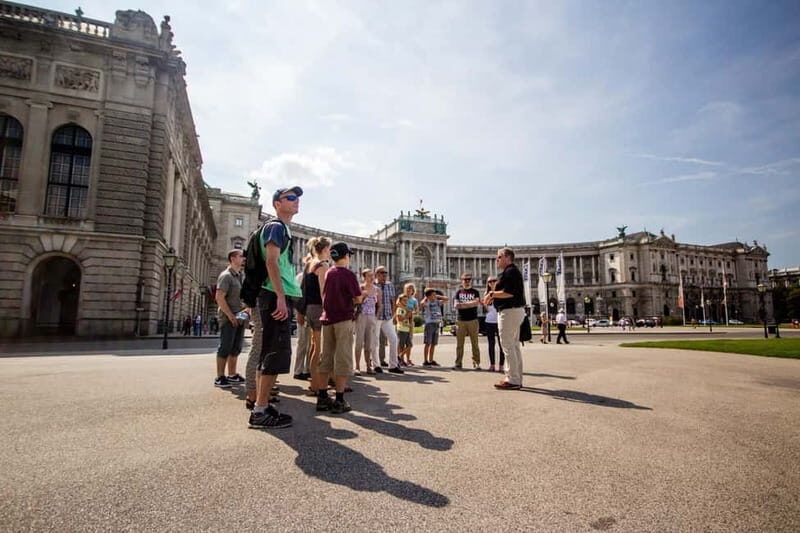
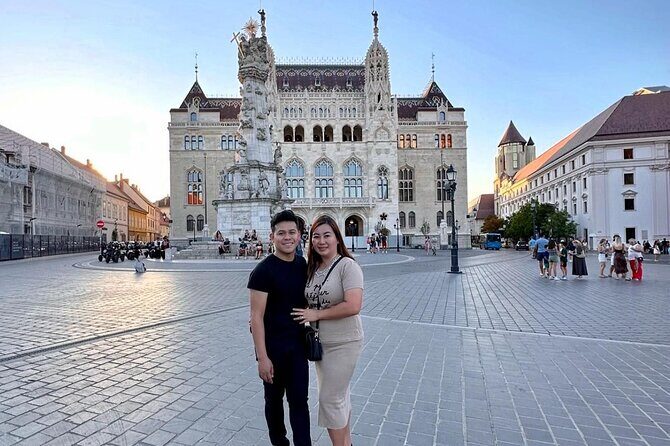
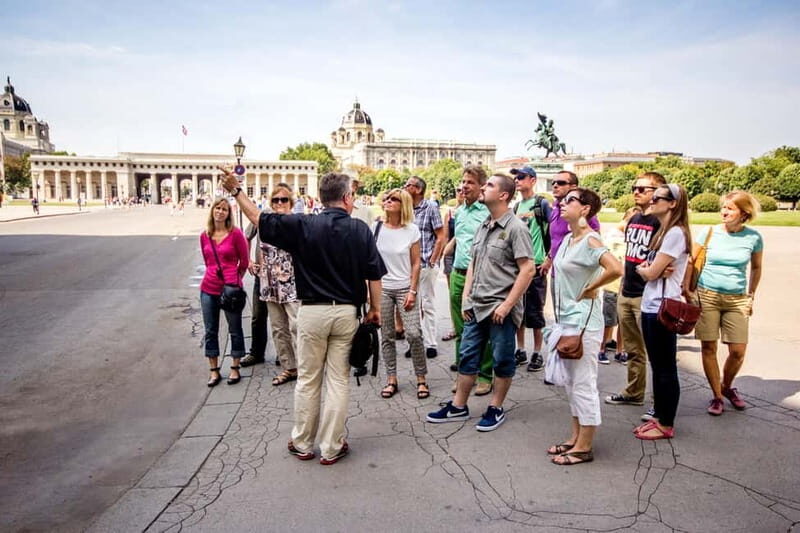
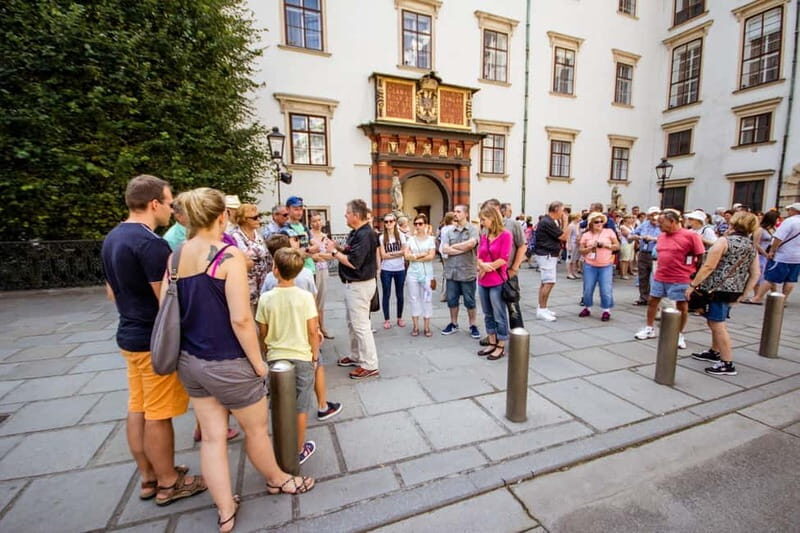
Vienna can feel like it’s doing two things at once: keeping its royal past on display while still moving full speed into the present. This tour is built for that exact feeling. You start at Michaelerplatz, a Baroque star-shaped plaza that helps your brain lock onto the city’s symmetry and planning. From there, the walk naturally pulls you toward the Hofburg—the sprawling seat of Habsburg power that kept growing, changing, and rebuilding over centuries.
The Hofburg stop isn’t treated like a single postcard. You learn to see it as an ongoing project: power, architecture, and taste layered together. That one idea makes the whole day easier. When you later notice different wing styles or different eras of decoration, you’re not guessing. You understand why the building looks the way it does.
I also like that the tour is designed as an orientation walk. You’re not just ticking off famous buildings. You’re getting a map-in-your-head for how Vienna developed—so your next sightseeing days feel more focused instead of random.
You can also read our reviews of more walking tours in Vienna

Finding the meeting point at Loos Haus (Michaelerplatz 3)
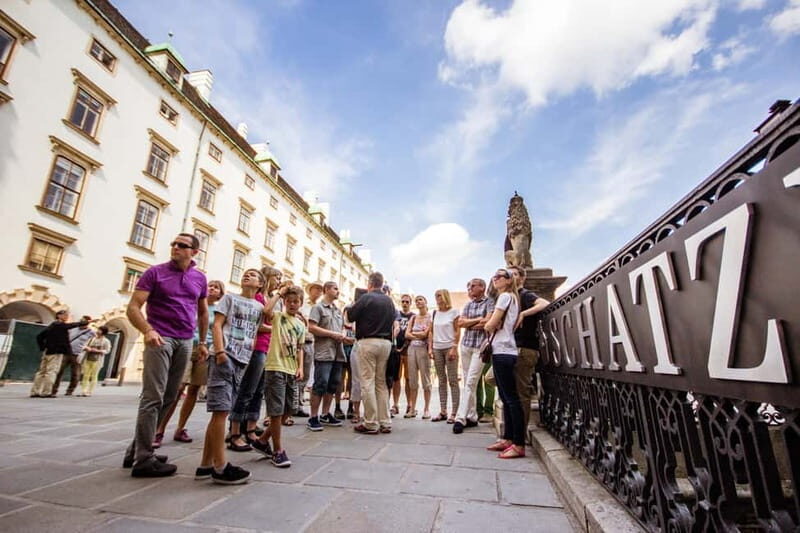
Getting started smoothly matters with any walking tour, especially in central Vienna where streets can braid together. This one begins in front of Loos Haus, Michaelerplatz 3. It’s a quick walk from Herrengasse metro station on line U3.
Here’s what helps you avoid stress: the building sits between Kohlmarkt and Herrengasse. On the facade, you’ll see the name Raiffeisenbank. In other words, you have landmarks for the building and for the neighborhood, which is a big deal when you’re arriving on foot.
If you like arriving early and doing a quick visual check, this meeting area makes that easy. You can stand in a spot and orient yourself to the plaza before the group gathers.
Hofburg onward: Josefplatz, alleyways, and Vienna’s in-between spaces
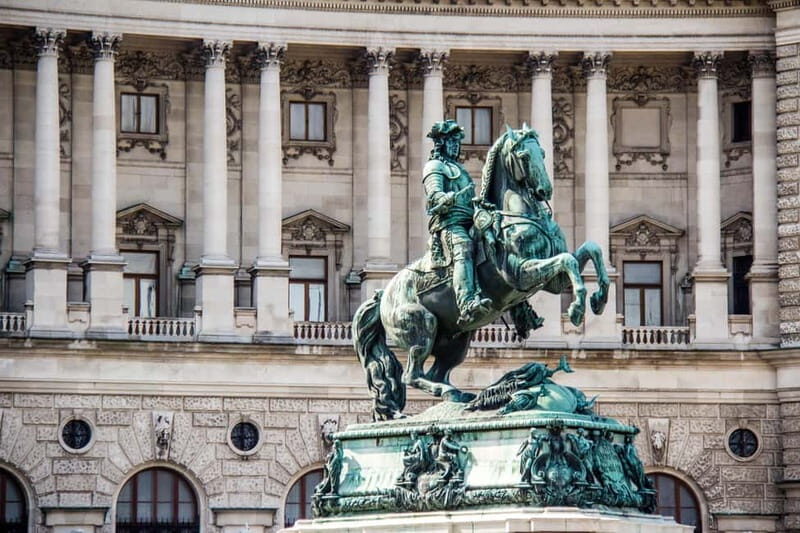
After the Hofburg, the walk turns toward the next pieces of the city’s “old meets composed” style. You move through areas that feel more like lived-in downtown than just museum district. That matters, because Vienna’s best atmosphere often hides in the in-between moments: narrow passages, small plazas, and street corners where the architecture does quiet work.
At Josefsplatz, you get another chance to practice that Vienna skill: noticing how the city’s public spaces are composed. Instead of feeling like a random stop, this plaza helps you understand the planning behind the grandeur. It also keeps the walk from becoming a straight line of palaces and cathedrals.
The route stays “easy-going,” so you’re not getting punished with long distances for a quick hit of history. The benefit is simple: you can keep your attention on the stories without turning the walk into a grind.
Albertina and Vienna’s print culture: what you’ll be looking for later
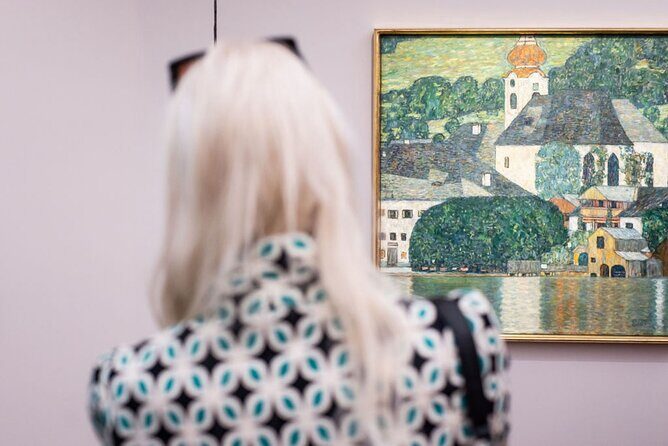
One of the smartest stops on this tour is Albertina Art Museum. Even if you don’t plan to buy a ticket right away, this pause gives you a reason to care. The Albertina is known for having one of the most important print collections in the world, and that fact changes the way art lovers often think about Vienna.
Why this works on a walking tour: it teaches you how museums in Vienna aren’t just pretty rooms. They can be whole knowledge systems. Prints matter because they connect artists, styles, political taste, and the spread of ideas in a way paintings can’t always do the same way.
During the walk, you’ll also learn how to read the city’s cultural ecosystem. That helps when you later choose where to spend time indoors. If you’re unsure whether Albertina will be your kind of stop, this contextual setup makes the choice much easier.
Vienna State Opera and Sisi’s diamond stars: glamour with context
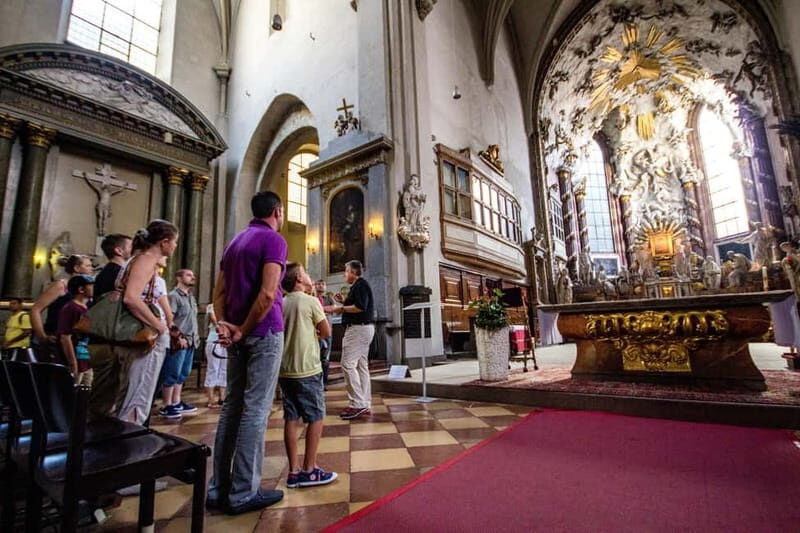
Then the city turns louder—still elegant, but unmistakably grand. You’ll get magnificent views of the Vienna State Opera, one of the most recognizable cultural buildings in the world.
What I like here is the storytelling hook that keeps opera from feeling like a distant concept. You’ll hear about where Sisi’s diamond stars were produced. Even if you’re not a costume historian, that kind of detail helps you connect royal image-making to real-world craft and production.
The best part for practical sightseeing is this: after you see the Opera on foot and get the story link, you start to look for the building’s details instead of only its silhouette. You become more aware of symmetry, ornament, and how the building performs as a stage for Vienna’s identity.
Also, the Opera stop works even for people who aren’t into classical music. The tour frames it as part of a broader urban story—Vienna as a place that turns power, taste, and spectacle into visible art.
You can also read our reviews of more historical tours in Vienna



St. Stephen’s Cathedral and Neuer Markt: finish with real momentum
To end, the route leans into two of Vienna’s classic “walk-around” zones: Neuer Markt and St. Stephen’s Cathedral.
St. Stephen’s is the kind of landmark that’s hard to ignore in photos, but the tour helps you shift from seeing it as a famous shape to actually noticing what makes it important. You’ll get background that gives the building meaning as a symbol of the city—so when you come back later for a closer look, you’re not starting from zero.
Neuer Markt adds a different flavor: it gives the walk a market-street feel, with a sense that people have passed through these spaces long before modern tourism. That contrast matters. Vienna’s story isn’t only about empires. It’s also about commerce, daily movement, and how big power eventually blends into everyday life.
The tour drops you at Stephansplatz 8A (1010 Wien). That’s a smart ending spot because it’s close to where you’ll naturally want to wander next.
How the guides shape the experience: Herbert, Wolfgang, and Dorothea style
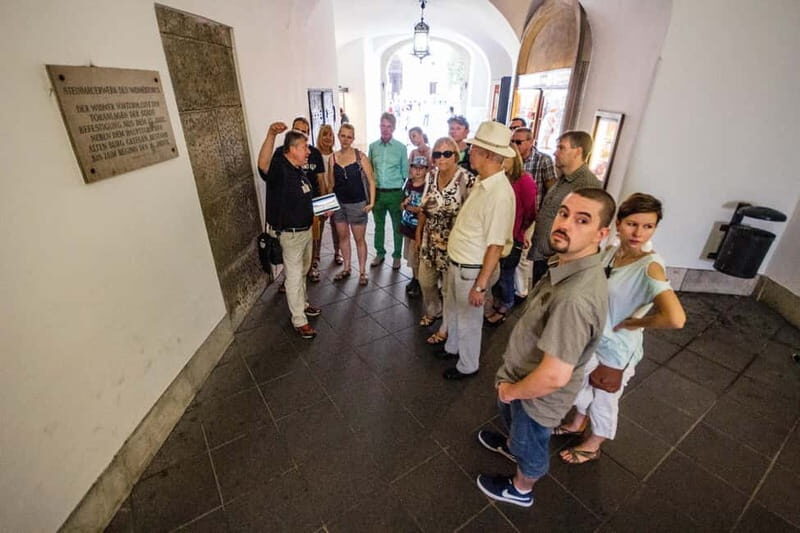
This tour stands or falls on the guide, and the guide quality here is a major reason it earns such strong ratings. You’re with a certified tourist guide, and the tour includes insider recommendations by a Viennese, which turns the walk into a practical “what to do next” starter kit.
I also like the variety of guide voices you might encounter. For example, Herbert is known for keeping things engaging without drowning you in dates, and some versions of the tour include playful interactions like rewarding correct answers—yes, even with chocolates. That kind of light touch helps the history stick.
Wolfgang is described as funny and story-driven, with a “let’s handle the streets safely” kind of confidence, plus extra detours into places tourists often miss. If you’re hoping for a route that feels like it has personal ownership, that fits.
Dorothea is noted for an especially small-group feel and a strong focus on information that stays clear and interesting. When your group is tiny, you can ask follow-up questions without feeling like you’re slowing everything down.
Bottom line: this is not a script-only walk. It’s closer to a guided conversation with a tight route—and that makes the two hours feel efficient instead of rushed.
Price and value: is $34 for 2 hours a good deal?
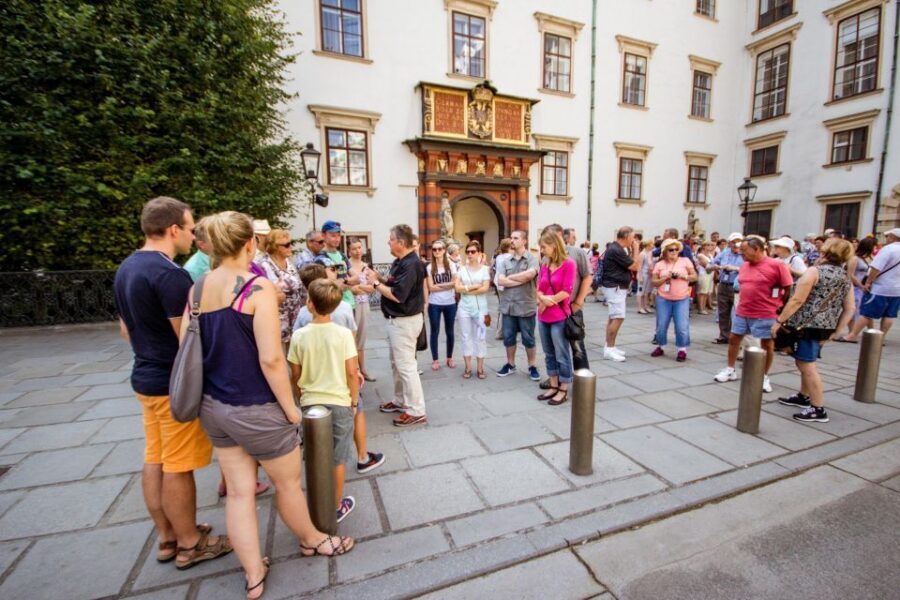
At $34 per person for a two-hour walking tour, you’re paying for three things: a trained guide, a curated selection of major sights, and time saved on figuring out what order to see things.
Entrance fees aren’t included, so if you plan to go inside multiple major attractions, treat this tour as your orientation and planning tool—not as a full sightseeing “all tickets included” package. Still, the value can be strong because the tour helps you decide what’s worth your money later.
Also, because it’s run in small groups, you’re not paying just for hearing someone talk. You’re paying for the chance to ask questions and get tailored advice. In a city like Vienna, that can save you both money and wasted time.
If you’re visiting for the first time, I’d call it a high-leverage purchase. If you’ve already done extensive Vienna research and you know exactly what you want to see, it may feel more like a helpful refresher than a must-buy—but the payoff is still usually good because the tour connects details across multiple stops.
Pace, weather, and what to bring for a smooth walk
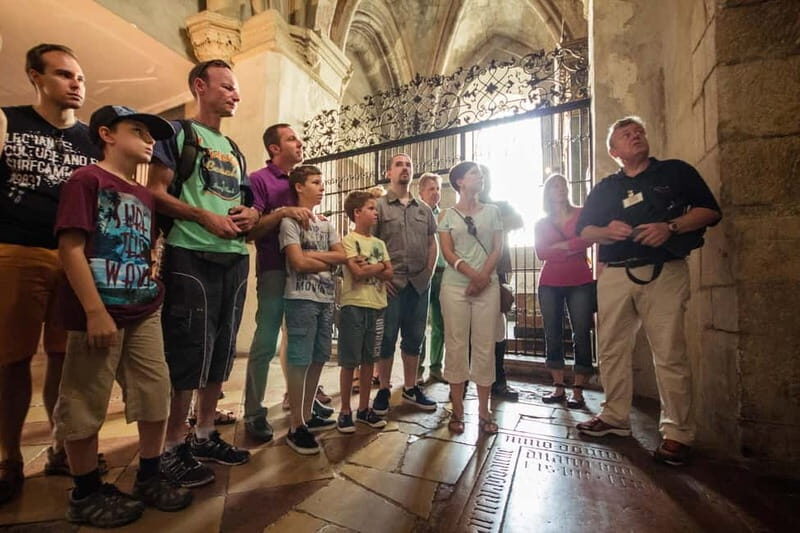
The tour is designed to be easy-going, but it still involves real walking in central Vienna. Tours run regardless of weather, so build in common sense weather prep.
If it’s rainy or cold, you’ll want a rain layer and shoes with solid traction. The route includes outdoor viewpoints and street-level stops, so you’ll feel the elements.
A few practical rules also shape the day:
- No luggage or large bags
- No audio recording
Those rules are usually there to keep the group moving smoothly and avoid blocking sidewalks. If you’re traveling light, that’s no problem. If you have lots of shopping or a heavy daypack, plan ahead so you’re comfortable for two hours.
Lastly, the tour is small-group, and that’s part of why it works so well. It’s not built for giant crowds where you can’t hear the guide.
Who should book this Habsburgs Capital walk—and who shouldn’t
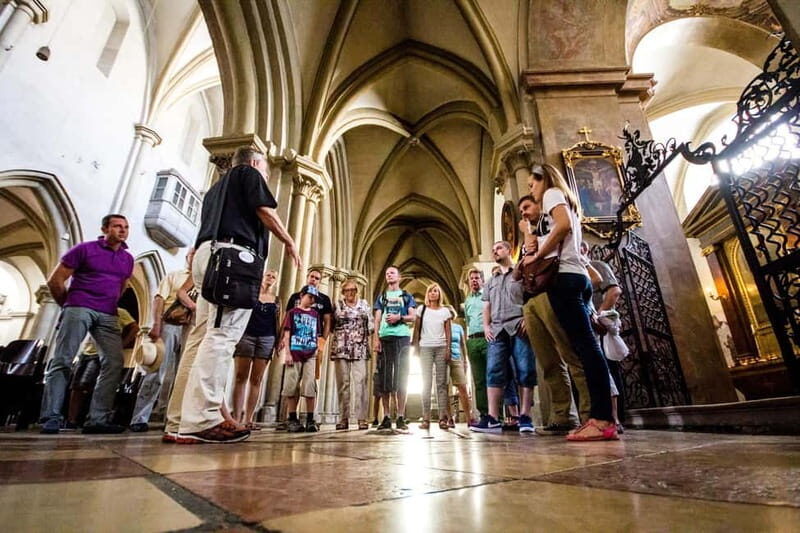
This tour is a strong fit if you:
- want a fast, structured introduction to central Vienna
- care about the Habsburg era and how it shaped the city
- like learning through stories, not just plaques
- enjoy small groups and Q&A
It’s not suitable for:
- children under 12
- wheelchair users and people with mobility impairments
So if accessibility is a key need for your group, you’ll want to look at a different format.
Should you book Vienna’s Habsburgs Capital 2-hour walk?
Book it if you want to get your bearings fast and leave with a clearer sense of what to see next. This is the kind of tour that can make later visits to the Opera area, the cathedral zone, or museum stops feel more rewarding because you know what you’re looking at and why it matters.
Skip it if you already have a deep Vienna plan and you prefer long museum time over guided street context. In that case, you might feel the walk is just a quick orientation rather than a centerpiece of your trip.
My take: for most first-time Vienna visitors, this is a smart use of two hours. You cover the core “who ruled here and what they built” story, plus you walk away with practical directions for the next day—without spending your vacation days glued to ticket lines.
FAQ
How long is the Vienna Habsburgs Capital historical walking tour?
It lasts 2 hours.
What is the starting location?
The tour meets in front of Loos Haus at Michaelerplatz 3, 1010 Vienna, Austria, between Kohlmarkt and Herrengasse.
How do I get there by public transport?
It is about a 3-minute walk from Herrengasse metro station on line U3.
Where does the tour end?
There are 2 drop-off locations, including Stephansplatz 8A, 1010 Wien, Österreich.
How much does it cost?
The price is $34 per person.
Are entrance fees included?
No. Entrance fees are not included.
What languages is the guide available in?
The live guide offers German and English.
Is this tour allowed with luggage or large bags?
No. Luggage or large bags are not allowed.
Can I record audio during the tour?
No. Audio recording is not allowed.
Is it suitable for wheelchair users or people with mobility impairments?
No. It is not suitable for wheelchair users or people with mobility impairments.