REVIEW · VIENNA
Highlights of Vienna in a Historical & Cultural 3h Walking Tour
Book on Viator →Bookable on Viator
Vienna clicks when you see it in story order. This 3-hour walk strings together Mozart, the Habsburg court at Hofburg, and the city’s most famous landmarks, with a guide who keeps the route moving and the facts understandable. You start at Mozarthaus and end at the Vienna State Opera, so you get a full “from one era to the next” feel without bouncing around on your own.
I particularly like two things: the small group size (about 4 to 18) that makes questions easy, and the extra coffee break that gives you a real moment to sit, warm up, and absorb what you just heard. You’ll also walk past big visual icons like St. Stephen’s Cathedral and the Spanish Riding School stables, but the guide focuses on why they mattered in Vienna, not just what they look like.
One consideration: it’s a walking tour with a moderate fitness level, and the schedule moves station to station. If you’re easily slowed by crowds or you want to linger at every stop, you may feel a little rushed during the tight time windows.
In This Review
- Key highlights you should care about
- A fast, smart way to get oriented in Vienna’s core
- Mozarthaus Vienna: Mozart’s Vienna, not just Mozart’s music
- St. Stephen’s Cathedral: the medieval anchor of the city
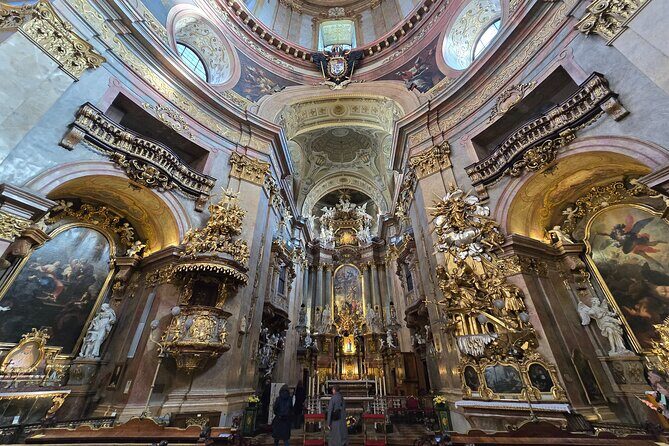
- Historic center moments: St. Peter’s, a plague column, and Demel-style sweetness
- Coffee history on Graben: Julius Meinl and 300 years of culture
- Freyung Passage: architecture plus classic Vienna corners like Cafe Central
- Greek Revival politics: Parliament, Pallas Athene Fountain, and Rathaus
- Burgtheater: the theater face of Maria-Theresa’s reign
- Kunsthistorisches Museum and the Winter Palace zone you’ll want later
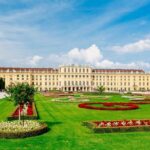
- Hofburg: Winter Palace and the Habsburg residence since the 13th century
- Spanish Riding School stables: a living tradition, not just a photo stop
- Hotel Sacher and the story behind an icon
- Vienna State Opera: finishing at a masterpiece, with a story attached
- Pacing, group size, and why the 3 hours usually feels right
- Price and what you actually get for $66.37
- How to make this tour work best for you
- Should you book this Vienna highlights walking tour?
- FAQ
- How long is the Vienna highlights walking tour?
- What’s the meeting point and where does the tour end?
- Is the tour in English?
- What does the tour include besides the walking and guide?
- Are there entrance fees included for sights?
- How big is the group?
- Is a mobile ticket provided?
- Is the tour suitable for everyone in terms of walking?
- When should I book, and can I cancel?
Key highlights you should care about
- Mozart-to-Hofburg route that connects music, empire, and everyday Vienna
- Small group format (up to 18) that keeps the guide conversation flowing
- Stops with standout structures like St. Stephen’s Cathedral, Parliament, Rathaus, and Hofburg
- Spanish Riding School stables stop that adds a living tradition to the history
- Viennese coffee break included for a breather in the middle of the walk
- Ends at the Vienna State Opera so your “last photo” is also a major landmark
A fast, smart way to get oriented in Vienna’s core
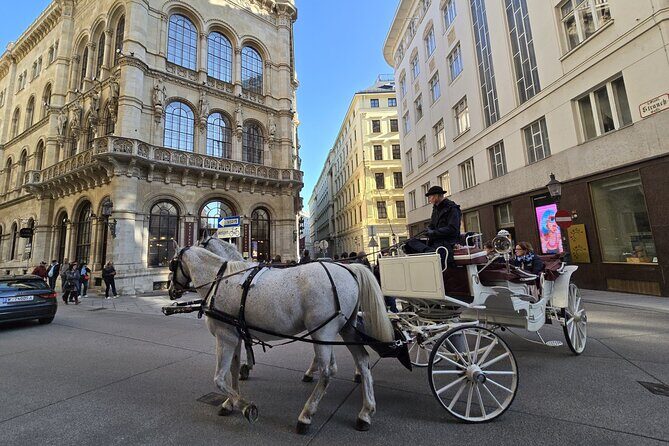
If Vienna feels big on day one, this tour helps you build a map in your head. You don’t just tick off sights; you learn how the city’s power centers and culture centers relate to each other. Starting at Mozarthaus Vienna puts Mozart into the real geography of the old city. Finishing at the Vienna State Opera does the same for the arts world, so you end with a clear picture of where music lives in Vienna’s public life.
The tour is designed for a 3-hour pace, so it’s ideal when you want structure without committing to a full-day program. You also get a printed Vienna Information Package and a city map, which matters more than you might think. A good walking tour should help you plan the next 48 hours, and this one nudges you toward museums, venues, restaurants, and coffee stops you can actually use.
You can also read our reviews of more walking tours in Vienna
Mozarthaus Vienna: Mozart’s Vienna, not just Mozart’s music
You begin at Mozarthaus (Mozarthaus Vienna, Domgasse 5), the place tied to Mozart’s life in the city. The stop is set at about 15 minutes, and it’s meant to give you the context to understand why Vienna became so important to his career. That matters because Mozart isn’t treated as a postcard composer here. The guide connects his story to the city’s social and cultural world.
What I like about starting here is the “timing effect.” If you start at the cathedral or palace first, Mozart can feel like a separate theme. Starting at Mozarthaus makes him the opener for everything else you’ll see later, including the court culture behind Habsburg grandeur.
One small practical note: the stop length is short. If you want deep museum time, you’ll likely need a separate visit. This is about building background before you go deeper.
St. Stephen’s Cathedral: the medieval anchor of the city
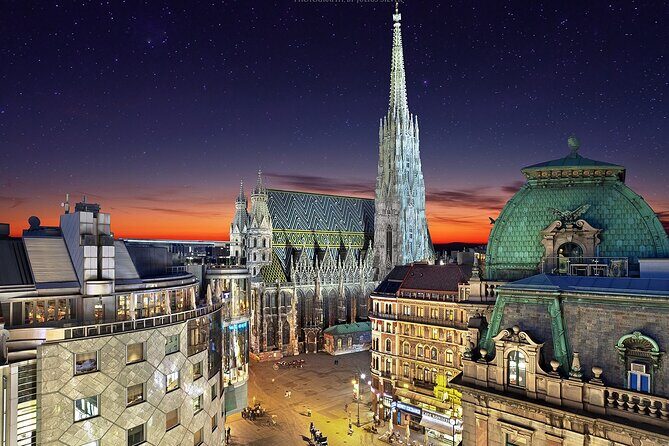
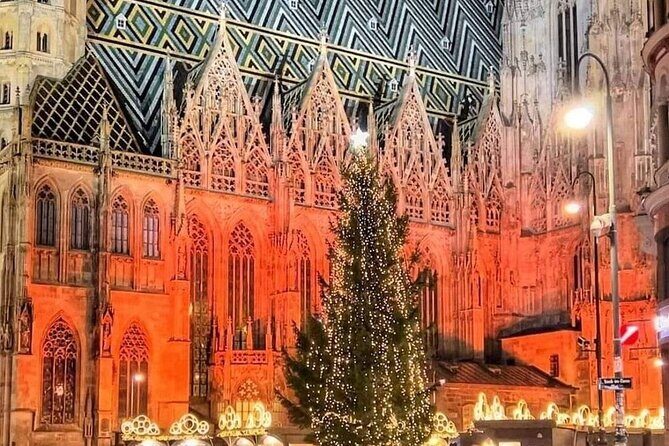
Next comes St. Stephen’s Cathedral, the medieval heart of Vienna (about 15 minutes). You’re there to notice long building history and medieval architecture, not to spend an hour reading every detail. Even in that shorter time, the cathedral tends to reset your understanding of Vienna’s age. It gives you an anchor point: the old city grew around places like this, even as later eras layered more power and style on top.
If you’re the kind of traveler who likes to understand why a building looks the way it does, you’ll get something useful here. And because the stop is brief and scheduled, you should still have energy for the rest of the walk.
Historic center moments: St. Peter’s, a plague column, and Demel-style sweetness
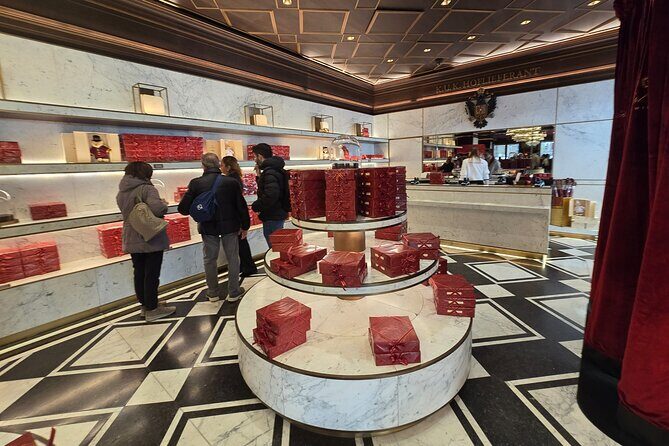
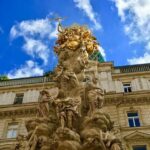
In the historic center section (about 20 minutes), you move through a cluster of smaller landmarks that often get missed when you only chase the big icons. You’ll see St. Peter’s Church and the Plague Column, plus time connected to the Demel cake shop.
These stops work well because they show Vienna as a lived-in city, not only an imperial one. A plague monument isn’t just a detail on a street corner. It’s a reminder that Vienna had real crises, real grief, and public ways to mark survival. And Demel brings in the other side of the city: food culture as part of identity.
Practical tip: if you’re hungry, keep the pace in mind. This is the part of the tour where a quick snack can make the rest of the walk more enjoyable, especially if you’re mixing in photos.
Coffee history on Graben: Julius Meinl and 300 years of culture
Then you hit Julius Meinl Am Graben (about 10 minutes). The point here isn’t just coffee branding. It’s the idea that Vienna’s coffee culture has a long timeline—over 300 years—and that cafes became part of how people met, debated, and passed time.
For me, this is one of the most useful thematic stops because it turns a daily habit into context. Vienna’s coffee scene isn’t only about flavor. It’s also about public life. You’ll see that echoed later with the included coffee break.
Short stop means you get the story, not a long tasting session. If you want to compare drinks across multiple cafes, use the guide’s recommendations after the tour to build your own mini route.
You can also read our reviews of more historical tours in Vienna

Freyung Passage: architecture plus classic Vienna corners like Cafe Central
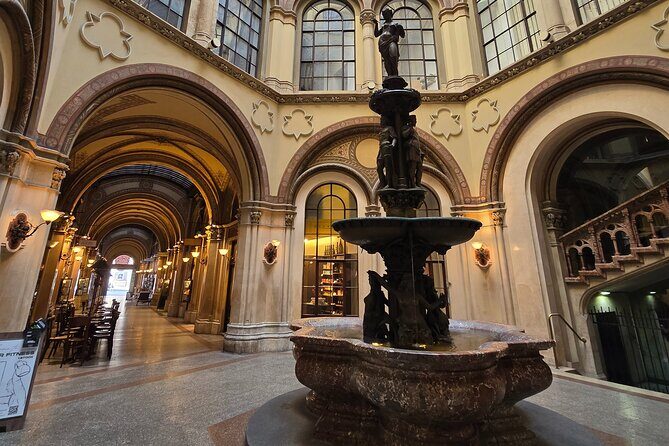
A brief stop at Freyung Passage (about 5 minutes) leads you toward one of the most famous coffee-related corners in the area: Cafe Central. Even with limited time, the goal is to show you the passaged style—streets and covered walkways that feel intimate and slightly old-world.
This is the kind of place where your photos come out better because you’re not facing the main street directly. It also sets you up to understand why Vienna’s cafe culture feels like a natural extension of its architecture.
If you love wandering, add time after the tour. The short scheduled stop is great for orientation, but it won’t replace a slow stroll through passages when the city is quiet.
Greek Revival politics: Parliament, Pallas Athene Fountain, and Rathaus
As the walk shifts toward government and public buildings, you’ll admire the Austrian Parliament (about 5 minutes) with its Greek style and the Pallas Athene Fountain in front. This is where Vienna’s power changes from the private court vibe into a public civic one.
Then you see Rathaus (about 5 minutes). Rathaus is gothic, and it signals that the city’s public identity kept evolving stylistically. One of the best practical benefits of hitting these buildings on foot is that you learn what’s near what. Parliament and Rathaus sit in a way that makes it easy to plan future walks around political-era landmarks, museums, and squares.
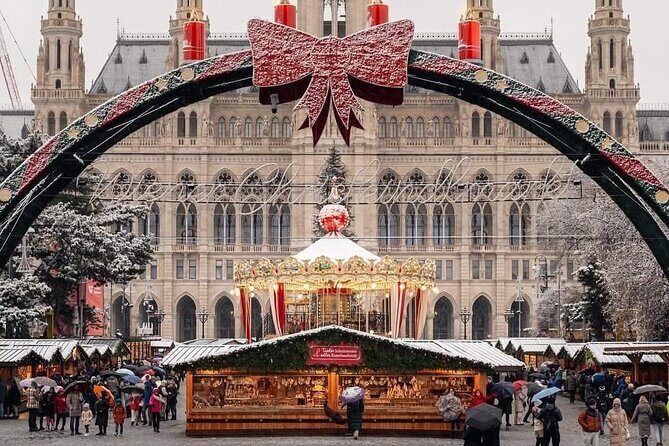
Depending on the day, you may also time your tour with seasonal activity near Rathaus—some departures can coincide with festive market energy. If you’re traveling during cooler months, keep that in mind so you can grab a warm drink during the included break.
Burgtheater: the theater face of Maria-Theresa’s reign
Burgtheater (about 10 minutes) adds another kind of power: cultural authority. The building is described as Renaissance architecture and tied to the reign of Maria-Theresa. That detail is important because it frames theater as a state-level instrument, not only entertainment.
If you’ve ever wondered why Vienna takes arts so seriously, stops like this help. You’re not hearing “the city loves culture” as a vague slogan. You’re seeing how rulers used major institutions to shape public taste and national identity.
Kunsthistorisches Museum and the Winter Palace zone you’ll want later
A short stop at Kunsthistorisches Museum Vienna (about 10 minutes) is a set-up moment. The guide explains what you can find in and around the winter palace, including reference to 18 museums in and around the area. Even if you don’t enter a museum during the tour, this gives you a map of choices for later.
This is where a lot of value shows up for independent travelers. Vienna has museum options that can be overwhelming on your own. A short guided orientation helps you pick what matches your interests. If you love art, you now know where the big concentration is. If you prefer history and empire, you also know where to aim your next visit.
Hofburg: Winter Palace and the Habsburg residence since the 13th century
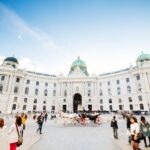
Hofburg is one of the biggest “wait, this is all connected” moments of the walk (about 20 minutes). You’ll visit the Winter Palace and the Habsburg residence since the 13th century, with an explanation of important emperors and empresses.
This stop works because it turns the Habsburg story into real spatial context. Hofburg isn’t just a single building. It’s a whole complex tied to decades and centuries of rule. Even without long interior time, the guide’s emphasis on major figures helps you understand what you’re seeing and why it matters.
If you’re a fan of dynasties, you’ll probably want more time later. This is the kind of place where a half-hour guide stop becomes an “I need to come back” feeling. In a good way.
Spanish Riding School stables: a living tradition, not just a photo stop
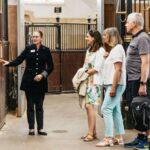
Next, you reach the Spanish Riding School stables (about 10 minutes). The tour explains a tradition that started in the 15th century, and you see the horses.
This stop adds variety to the imperial and architectural tone. Horses feel like a court detail until the guide frames them as part of a long-running discipline and style. You get a living element to balance the stone-and-statues theme.
Timing here is tight, so don’t expect a full show experience. Think of it as a context stop that helps you decide whether you want to plan a separate, ticketed visit later.
Hotel Sacher and the story behind an icon
Hotel Sacher Vienna (about 10 minutes) is next, with a focus on how the hotel was built and the connection to Austria’s most popular chocolate cake. Even if you’re not planning to eat cake today, the stop teaches you how Vienna turns luxury into tradition you can taste.
One thing I like about including a stop like this is that it softens the history. After all those courts, palaces, and buildings, you get a human-scale cultural marker: a hotel that symbolizes how Vienna presents itself to visitors and locals alike.
Vienna State Opera: finishing at a masterpiece, with a story attached
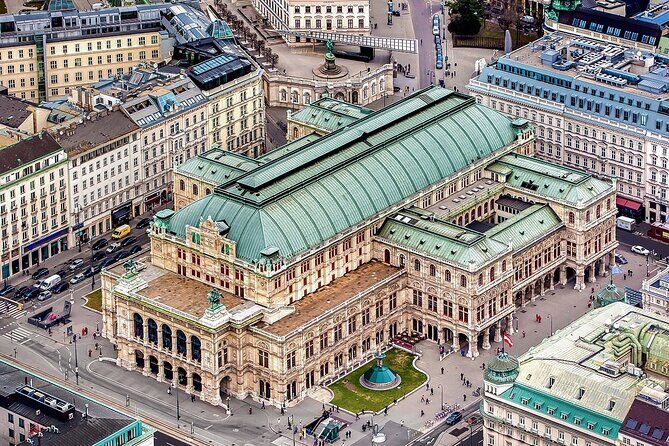
The tour ends at the Wiener Staatsoper, the Vienna State Opera (about 10 minutes for the stop itself). The building is famous for its beauty, and the guide shares why the emperor was disappointed when he saw it and the consequences of that sharp criticism.
That’s the kind of detail that makes architecture feel alive. Instead of only saying the building is grand, you learn what it meant and how people responded when something didn’t go as expected.
Your final location matters. Finishing in front of the Opera helps you decide what to do next without losing momentum. You’ll be in a prime central spot for transit and for planning your evening—whether that means dinner nearby or a museum you want to revisit.
Pacing, group size, and why the 3 hours usually feels right
This is a walking tour with a small group: 4 to 18 people. That size is big enough for fun energy, but small enough for real question time. Many walking tours become a one-way lecture. Here, the structure keeps interaction possible, which is exactly what you want when you’re trying to connect dots between places.
The route is timed with short stop blocks: many stops are around 5–15 minutes, and the longer ones are usually the cultural anchors like Hofburg. That schedule is why the tour works in 3 hours. You see the major themes—Mozart, medieval roots, Habsburg power, civic buildings, and the arts—without turning into a marathon.
There’s also an included 30-minute break in a traditional Viennese coffee house. The timing of that break is smart. It lets you recover while still staying close to the historic core of the walk. In colder weather, this kind of reset can be the difference between enjoying the city and feeling drained.
Price and what you actually get for $66.37
At $66.37 per person for about 3 hours, you’re paying for more than “a guide who walks with you.” You’re getting:
- a focused route across headline landmarks from Mozarthaus to the Opera
- contextual storytelling that connects the places
- practical suggestions for museums, venues, restaurants, and coffee shops
- a printed information package and a city map
- the included coffee-house break
The best part is that many major stops are indicated as admission ticket free within the tour time blocks. That reduces the most common hidden cost problem with walking tours, where you think you’re paying for guidance but end up also paying entry fees everywhere you turn.
Is it a budget tour? No. But it’s also not trying to be. For a first stay in Vienna, this is the kind of spend that can save you money later by steering you toward the right museum mix and the right cafe strategy.
How to make this tour work best for you
This tour fits travelers who want a guided overview but still want to be able to roam afterward. It’s also well-suited for families with kids, since the guide tends to keep things engaging and adjust pace when needed.
If you’re a first-time visitor, I think you’ll get the most value here. The guide can help you decide which sights to return to with more time. If you’re already deep into Vienna, you might still like it because it stitches the city together by theme: music, empire, politics, public culture, and coffee life.
Two quick ways to get more out of it:
- Wear comfortable shoes. Many stops are short, so you’ll want to keep walking without discomfort.
- Decide in advance what you want to follow up on: Mozart sites, Hofburg/Habsburg, or the museum cluster around the winter palace zone.
Should you book this Vienna highlights walking tour?
If you want an efficient, story-driven intro to Vienna’s core, I’d book this. The route hits the biggest “anchor” sights—St. Stephen’s Cathedral, Parliament, Rathaus, Hofburg, Spanish Riding School, and the Opera—while keeping the time manageable at about 3 hours. The included coffee-house break and the practical recommendations add real value beyond photos.
Skip it only if you know you dislike structured walking routes, or if you’re the type who needs long museum time during tours. This isn’t built for lingering. It’s built for orientation and context, then letting you choose your own next step.
If you’re traveling on a day when you want a smooth start and a clear plan for the rest of Vienna, this is one of the easier ways to make that happen.
FAQ
How long is the Vienna highlights walking tour?
It runs for about 3 hours.
What’s the meeting point and where does the tour end?
It starts at Mozarthaus (Domgasse 5, 1010 Wien) and finishes in front of the Vienna State Opera (Opernring 2, 1010 Wien).
Is the tour in English?
Yes, it’s offered in English.
What does the tour include besides the walking and guide?
You get a knowledgeable tour guide, a medium group size (up to 18), a printed Vienna Information Package, a Vienna city map, and an extra 30-minute break in a traditional Viennese coffee house.
Are there entrance fees included for sights?
Entrance fees are not included, but the stop times list admission as free for several locations within the tour (such as Mozarthaus Vienna, St. Stephen’s Cathedral, and others).
How big is the group?
The group is medium-sized, from 4 up to 18 travelers.
Is a mobile ticket provided?
Yes, the tour uses a mobile ticket.
Is the tour suitable for everyone in terms of walking?
The tour calls for moderate physical fitness.
When should I book, and can I cancel?
You can expect confirmation at booking. Free cancellation is available up to 24 hours in advance for a full refund, and the experience may require good weather.