REVIEW · VIENNA
Leopold Museum Vienna Entrance Ticket
Book on Viator →Operated by Leopold Museum Vienna · Bookable on Viator
A day with Schiele is a good day in Vienna. The Leopold Museum is built for wandering—prebooked entry means you can start when you want and move at your own pace through modern Austrian art, including the huge Egon Schiele collection. I especially love how much the museum explains the shift from fin-de-siècle style to Wiener Moderne, and how the building’s big windows frame Vienna’s center outside. One possible drawback: if you’re hunting for a big spread of Gustav Klimt paintings, you may find the Klimt side more focused than you hoped.
This ticket is for self-guided access to both the permanent collection and exhibitions, so you can zoom through or settle in for longer looks. I also like that you can plan your time down to the pauses—coffee break, gallery detours, or a last stop at the windows.
Before you go, remember that this is modern art with a darker edge at times. If you want light, fluffy sightseeing only, you might feel the mood more than you expect.
In This Review
- Key things I’d circle before you buy
- Leopold Museum location: MuseumQuarter energy with a modern building
- Your entry game plan: mobile ticket, voucher exchange, and timing
- The self-guided loop that makes 2–3 hours feel satisfying
- From Historicism to Wiener Moderne: the art story you’ll actually notice
- Egon Schiele’s world: why this museum makes sense for serious art lovers
- Klimt expectations: where Death and Life fits, and what to watch for
- Interwar Austrian art and design objects: the part that sneaks up on you
- Coffee-house comfort and panoramic windows over Vienna’s center
- Price and value: $22.98 for Schiele and the Wiener Moderne story
- Opening hours snapshot: plan around the Monday schedule
- Who this Leopold Museum ticket fits best
- Should you book this Leopold Museum ticket?
- FAQ
- Is the Leopold Museum ticket self-guided?
- How long should I plan for?
- What’s included in the admission price?
- Are food and drinks included?
- Do I get an audio guide?
- Can children visit?
- Do I need to exchange a voucher at the museum?
- What are the opening hours on Mondays?
Key things I’d circle before you buy
- Prebooked entry with a mobile ticket so you don’t waste time planning around the line
- 2–3 hours is realistic if you want real looking time, not speed-walking
- Egon Schiele’s collection is the biggest of its kind, with paintings and drawings
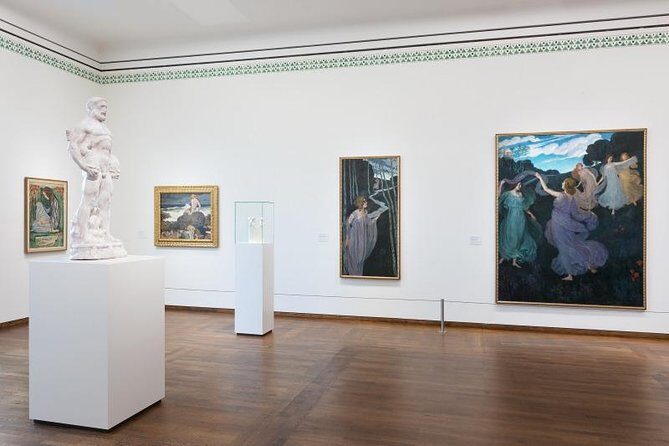
- Wiener Moderne storyline connects Jugendstil, Wiener Werkstätte, and Expressionism
- Views from inside look out toward Maria Theresa Square and the Hofburg Palace
- Café Leopold is a handy reset button if you need a breather (own expense)
Leopold Museum location: MuseumQuarter energy with a modern building
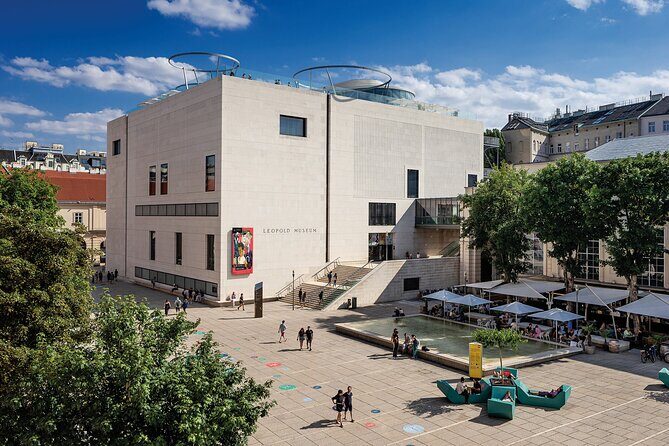
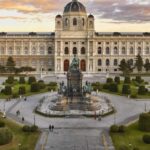
The Leopold Museum sits in Vienna’s Museum Quarter, one of the easiest places to tack onto a city day. The setting matters because you’re not just stepping into a museum—you’re stepping into a whole cultural block where getting your bearings is quick.
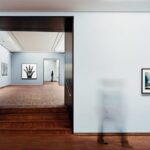
From the start, the museum’s striking modern architecture sets the tone. You’ll feel that mix of contemporary space and fin-de-siècle art themes, which makes the collection feel less like a dusty stop and more like a live conversation across time.
A few more Vienna tours and experiences worth a look
Your entry game plan: mobile ticket, voucher exchange, and timing
This experience is built around the idea that you can arrive and go in without the stress of hoping for walk-up availability. The highlights are the prebooked entry and the freedom to choose when to arrive and where to pause.
One practical note: if you’re using a voucher, you need to present your Viator Voucher at the cashier desk to exchange for the current ticket, and you should print the voucher. That’s a small step, but it can save you confusion if you arrive and your phone ticket isn’t the only thing the cashier needs.
Duration is typically 2 to 3 hours, which is a sweet spot for a museum like this. Long enough to follow the art story, short enough to still catch dinner with daylight if you time it well.
The self-guided loop that makes 2–3 hours feel satisfying
You get unlimited access to the permanent collection and exhibitions with your prepaid admission, so the museum works like a choose-your-own walk. There’s no forced pace, which is great if you like reading labels slowly or comparing works side-by-side.
A smart way to handle the time is to split your visit into three zones:
- Start with the big art movements so the later works make more sense.
- Spend real time on Schiele and Klimt since those are the magnets here.
- Finish with the building views and the café to exit on an easy note.
This museum is also designed around light, so I’d take advantage of that. Step away from a wall when you feel your attention drop, then come back when you’ve reset—especially in rooms that focus on darker Expressionist tones.
From Historicism to Wiener Moderne: the art story you’ll actually notice
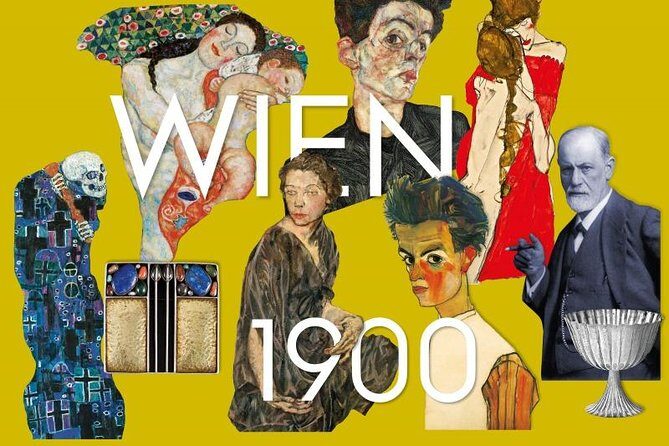
What I like most about the Leopold Museum is that it doesn’t treat modern art like random cool objects. It shows the shift—how Vienna moved from stricter Historicism and lovely mood impressionism toward a very distinct Wiener Moderne.
As you move through, you’ll see key figures such as Oskar Kokoschka, Richard Gerstl, Koloman Moser, Herbert Boeckl, and Otto Wagner. This isn’t only painting for painting’s sake. The museum also connects visual art to design and everyday items, which helps you understand why Wiener Moderne feels so specific to Vienna rather than just “modern” in general.
You’ll also get major movements in view, including Viennese Jugendstil, Wiener Werkstätte, and Expressionism. Even if you don’t memorize every label, you’ll catch the change in style: faces, shapes, and the way artists play with line and structure.
Egon Schiele’s world: why this museum makes sense for serious art lovers
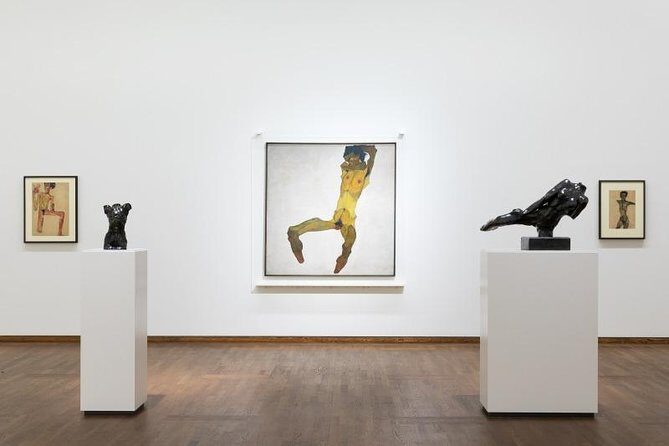
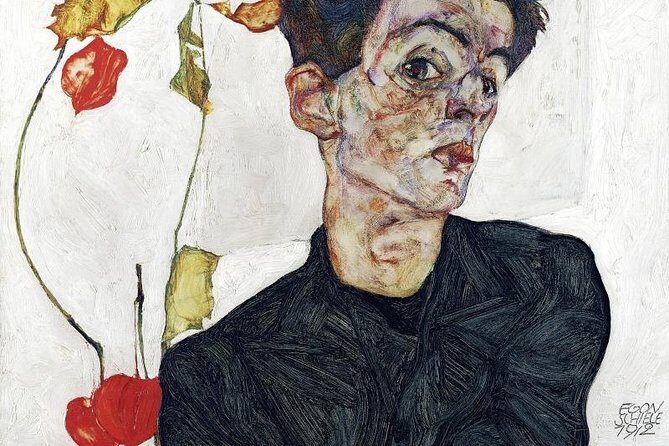
Here’s the reason many people plan Vienna around this stop: the Leopold Museum has the largest Egon Schiele collection in the world. That matters because you’re not seeing a couple of highlights—you’re getting breadth, including both paintings and drawings.
When a museum holds a collection at this scale, it changes how you look. Instead of one famous Schiele work, you can compare themes, techniques, and variations in expression. You’ll likely find yourself noticing how his drawings communicate intensity differently than his paintings.
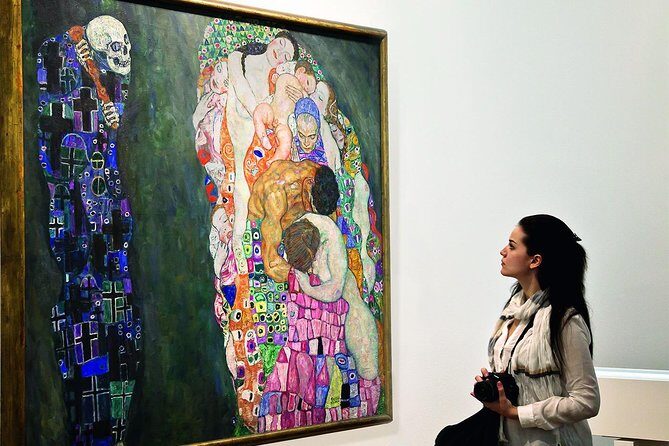
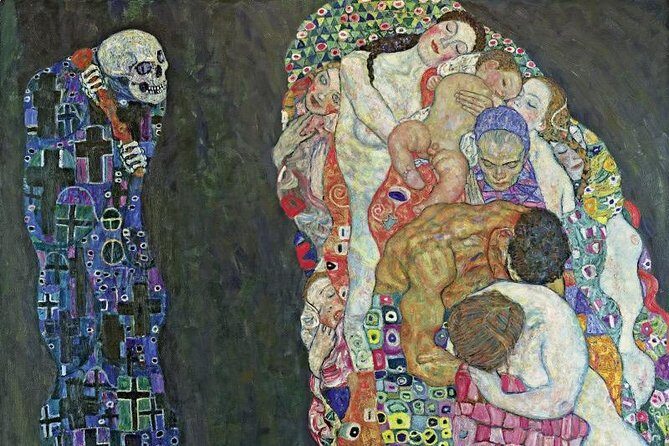
Also, the museum presents Schiele alongside other heavyweight Vienna names. A standout is Gustav Klimt’s Death and Life, one of his best-known figurative works and described here as probably his most important figurative painting. That creates an easy anchor point: if you want a “this is why Vienna mattered” moment, this pairing helps.
You can also read our reviews of more museum experiences in Vienna

Klimt expectations: where Death and Life fits, and what to watch for
If you mainly came for Klimt, set expectations with a little realism. The museum does have major Klimt works, but some people find the Klimt display more concentrated than they expected.
What you can count on is Death and Life. It’s highlighted as a key piece here, so even if your Klimt wish list is long, you’ll still leave with at least one very strong anchor.
My advice: don’t force a Klimt-only strategy. Let Klimt be your landmark work while you look at how Wiener Moderne and related movements shaped the artists around him. It’ll make the museum feel more coherent and less like a scavenger hunt.
Interwar Austrian art and design objects: the part that sneaks up on you
Beyond the late-19th and early-20th century focus, the museum also brings weight to the Austrian interwar period. Artists such as Albin Egger-Lienz, Anton Kolig, and Herbert Boeckl are part of that story, and the collection partly points toward what comes after.
This matters because it helps you understand that modern art in Vienna didn’t end after Jugendstil and Expressionism. It continues, changes tone, and shifts again in the decades that follow.
The museum also includes everyday objects from the fin de siècle era. Otto Wagner and Adolf Loos are part of this design angle, along with Dagobert Peche. You’ll also see the influence of Josef Hoffmann and Koloman Moser, linked to the Wiener Werkstätte. If you’ve ever wondered why design and fine art felt tied together in this period, this is where you get answers without needing a lecture.
Coffee-house comfort and panoramic windows over Vienna’s center
Vienna’s art movements didn’t happen in a vacuum, and this museum nods to the coffee house culture where ideas traded hands regularly. You’ll find that reflected through the atmosphere, and there’s a café called Café Leopold where you can take a break.
Food and drinks are not included in the ticket, but that café stop is still useful. It’s not just a snack stop; it’s a chance to review what you just saw without rushing.
Finally, don’t skip the windows. The museum offers panoramic views toward Maria Theresa Square and the Hofburg Palace. It’s a satisfying final beat because you leave the heavy art rooms and get a clear sense of where you are in the city.
Price and value: $22.98 for Schiele and the Wiener Moderne story
At $22.98 per person for admission, this ticket is good value if you’re actually into modern Austrian art. The reason is simple: Schiele’s presence alone justifies the visit for many people, and the museum’s broader storyline keeps you from feeling like you paid for only one highlight.
Also, the ticket includes admission to the permanent collection and exhibitions, and you control how long you stay. That “stay as long as you want” style is where self-guided museum tickets earn their keep.
What’s not included: a guide, and there’s no audio guide in the base price. If you want extra context, an audio guide is available in German, English, French, and Italian for an additional EUR 4. If you’re the type who reads slowly and enjoys historical framing, that might be worth it. If you prefer to skim and just look, you can skip it.
Opening hours snapshot: plan around the Monday schedule
For the dates listed, Monday hours are 10:00 AM to 6:00 PM. If you’re building an itinerary around this stop, aim to arrive with enough time to start your art loop without rushing the end.
If you’re doing Vienna day tours, this museum is a nice middle anchor. You can pair it with other sights around the Museum Quarter and keep your walking route tight.
Who this Leopold Museum ticket fits best
This ticket is ideal for:
- People who like modern Austrian art and want a museum that focuses on movements, not random masterpieces
- Anyone especially interested in Egon Schiele, since the collection is the main event
- Visitors who want control—no group pace, no forced stops, just your own rhythm
- Families with kids who can handle a museum visit (children must be accompanied by an adult)
It may be less ideal if you want a quick “hit the biggest Klimt stuff and run” experience. While the museum does include major Klimt works, the overall strength is modern Austrian art broadly, with Schiele as the center.
Should you book this Leopold Museum ticket?
I’d book this if modern art in Vienna is on your must-see list and you want to spend a focused few hours understanding Wiener Moderne. The mix of Schiele’s huge collection, strong Klimt presence via Death and Life, and the design/everyday-object angle makes it more than a one-artist visit.
Skip it or reconsider if you’re short on time and only want a broad overview of famous names with minimal reading. This museum rewards patience, and if that’s not your style, you might feel like you paid for more looking than you expected.
If you’re on the fence, tell yourself this: you’re not just buying entry. You’re buying the chance to build your own art route through a very Vienna-specific modern story—then end with city views and a calm café moment.
FAQ
Is the Leopold Museum ticket self-guided?
Yes. You get admission and can explore at your own pace. There’s no guide included.
How long should I plan for?
Plan about 2 to 3 hours. Many people find it fits well into a daytime museum block.
What’s included in the admission price?
Your ticket includes entry to the permanent collection and exhibitions.
Are food and drinks included?
No. Café Leopold is available, but food and drinks are own expense.
Do I get an audio guide?
An audio guide isn’t included. It’s available for an additional EUR 4 in German, English, French, and Italian.
Can children visit?
Yes, children must be accompanied by an adult.
Do I need to exchange a voucher at the museum?
If you have a Viator Voucher, you need to present it at the cashier desk to exchange for the current ticket, and you should print your voucher.
What are the opening hours on Mondays?
For the listed dates, Monday hours are 10:00 AM to 6:00 PM.