REVIEW · VIENNA
Skip the Line:Imperial Carriage Museum by Schönbrunn Kaiserliche Wagenburg Wien
Book on Viator →Operated by Kunsthistorisches Museum Wien · Bookable on Viator
A few wheels can tell big stories. The Imperial Carriage Museum near Schönbrunn Palace lets you look closely at the cars of royalty, from grand state coaches to the more personal rides connected with Empress Elisabeth. It’s a history stop that feels surprisingly human once you’re standing in the galleries.
I love how you’re given a real guided experience without needing a live guide: you stroll with an audio guide and pick up meaning as you move from carriage to carriage. I also love that the centerpiece baroque Imperial Coach sits alongside vehicles tied to major figures like Maria Theresia, Napoleon, and Franz Joseph.
One thing to keep in mind: the museum spaces can feel tight in places. If your time slot is busy, narrow hallways can make it harder to linger while someone else is listening to audio or pointing something out.
In This Review
- Key things to know before you go
- Kaiserliche Wagenburg by Schönbrunn: Royal carriage viewing made easy
- What you’ll see in the main galleries (and why it matters)
- The Sisi Trail: her story told through carriages and objects
- Audio guide and walking pace: how to get more out of 45 minutes
- When to go: timing matters inside tight corridors
- How the museum fits into a Schönbrunn day
- Price and value: what you’re really paying for
- Who should book this (and who might skip it)
- The logistics that matter most (without getting lost)
- Should you book the Imperial Carriage Museum ticket?
- FAQ
- How long does the Imperial Carriage Museum visit take?
- Is the entrance ticket included?
- Is there an audio guide?
- Where is it located?
- What’s the price?
- What are the opening hours?
- Do I need a guide included?
- Is it suitable for most travelers?
- What about tickets on arrival?
- Is it free to cancel?
Key things to know before you go
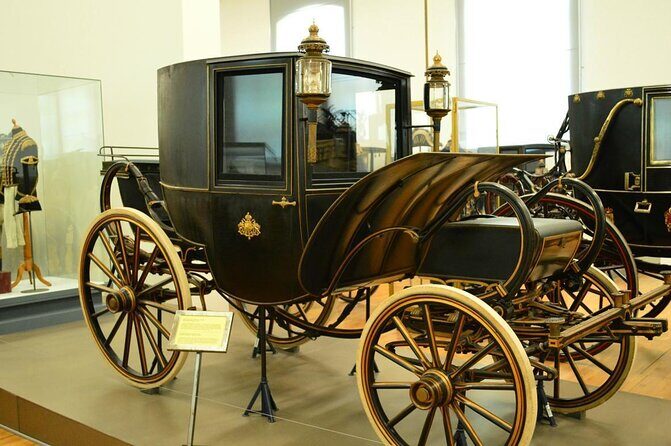
- Sisi Trail exists in the main gallery: follow Empress Elisabeth’s story from her marriage through her death using carriages and original items.
- Big-name rulers show up through their transportation: Maria Theresia, Napoleon, and Franz Joseph each anchor a chapter.
- The museum mix is broad: state carriages, travel coaches, and children’s carriages for Habsburg princes and princesses.
- You’ll likely spend 60–90 minutes: even if the ticket window is listed as about 45 minutes, plan extra time to read.
- Crowds affect the viewing experience: photos are generally allowed, but tight corridors can limit how close you get.
- Mobile ticket helps smooth entry: fewer steps at the door when you’re ready to scan and go in.
Kaiserliche Wagenburg by Schönbrunn: Royal carriage viewing made easy
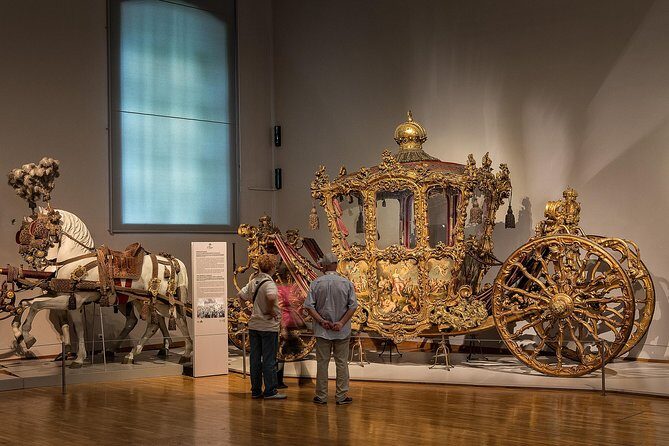
If you’re spending time around Schönbrunn, this museum is a smart add-on because it’s close, self-contained, and not overly intimidating. You’re not hunting across half the city. You walk in, put on the audio, and let the carriages do the talking.
The museum focuses on something very specific—royal carriages—and that focus is exactly why it works. Instead of a long string of unrelated objects, you get a clear theme: how powerful people traveled, and what their vehicles reveal about status, ceremony, and daily life.
This is also a nice change of pace from rooms full of portraits and paintings. Carriages put you at ground level. You can sense scale, materials, and craftsmanship in a way you can’t from behind glass in many other museum categories.
You can also read our reviews of more museum experiences in Vienna


What you’ll see in the main galleries (and why it matters)
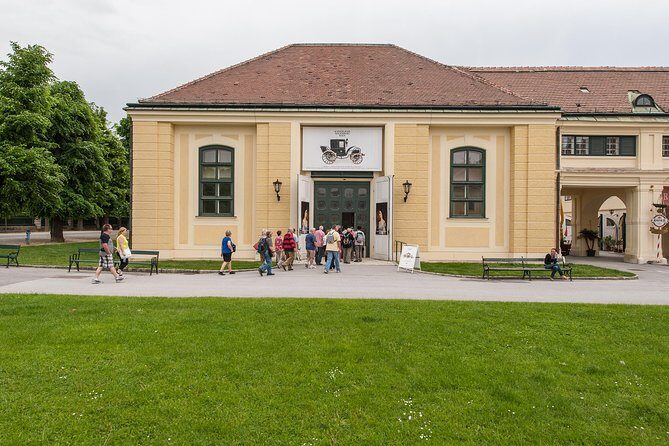
The collection centers on the idea that transportation was part of the performance. A carriage wasn’t just a way to get from A to B. It was how rulers showed authority at the moments people watched most: coronations, public appearances, and life-changing events.
In the galleries, you’ll see vehicles connected to major names in European history. The museum highlights carriages associated with Maria Theresia, Napoleon, and Franz Joseph, so you’re not just looking at pretty objects—you’re connecting objects to people and timelines.
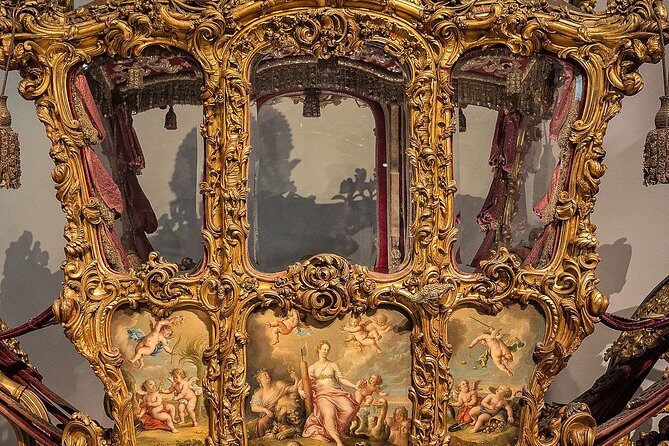
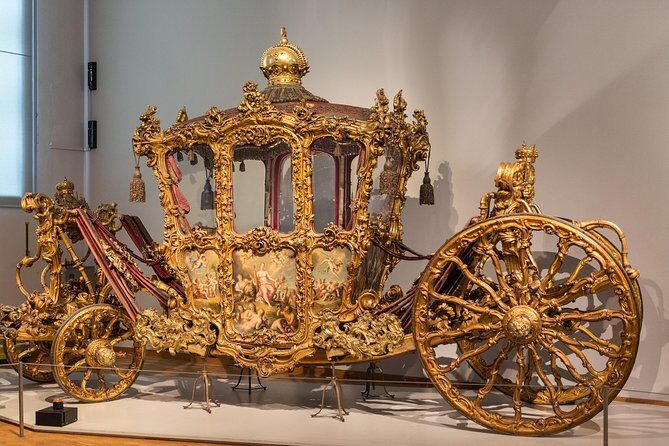
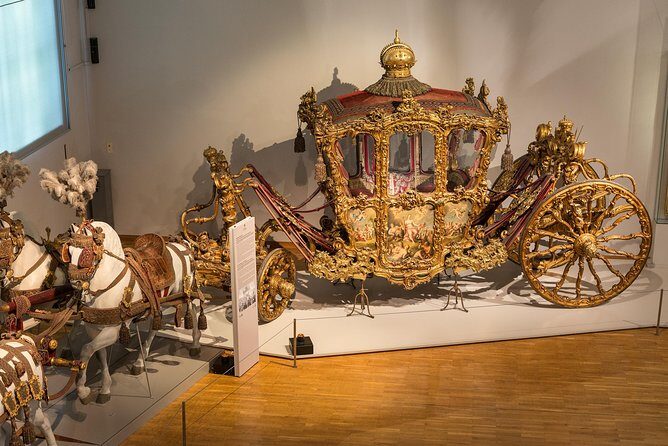
The standout for many first-timers is the baroque Imperial Coach. Baroque style tends to reward slow looking, and that coach gives you plenty to study: shape, ornamentation, and how the whole thing was built to look impressive even before it moved.
You’ll also find a spread of other types, including state carriages and comfortable traveling coaches. That variety helps you understand that the “imperial” look wasn’t one single design. It came in different forms depending on purpose.
And yes, there are also children’s carriages connected to Habsburg princes and princesses. That detail is quietly effective. It reminds you that royalty used ordinary family objects and routines too—just with their own version of splendor.
The Sisi Trail: her story told through carriages and objects
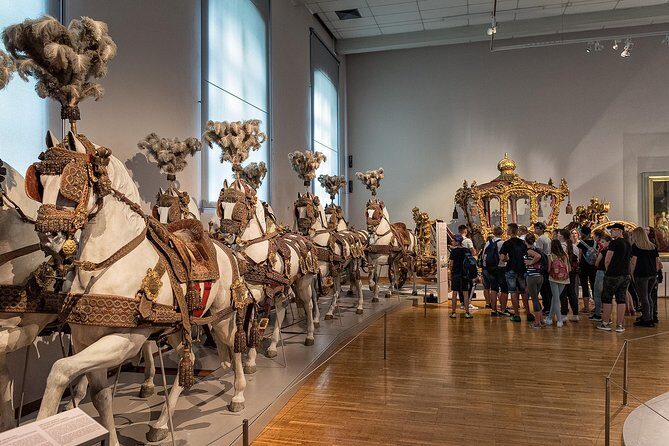
If Empress Elisabeth (Sisi) is part of your Vienna plan, this museum delivers more than a passing mention. The Sisi Trail is laid out in the main gallery, built to follow her life through specific carriages and original mementos.
You’ll move through the story from her marriage, then toward later moments that show how her life changed. The trail is designed so you’re not piecing together details from scattered signs. You’re guided through events using vehicles as the timeline anchors.
Some of the most memorable pieces tied to Sisi include:
- the coach she rode in as an imperial bride
- the carriages of her children
- the golden Imperial Coach she used at her coronation as queen of Hungary
- the carriage she left from just minutes before her assassination in Geneva
- a black hearse connected with her final journey
There’s also the kind of artifact that makes Sisi fans stop in their tracks: a sumptuous black robe with an endless train, designed for her around the 1880s. Even if you don’t know every detail of her life, this sort of item gives you a direct feel for how identity and image were constructed.
The trail also includes a few practical, visual reminders of who she was as a person, not only an icon. The museum shows what’s described as the only extant saddle used by Elisabeth, and it includes a reconstructed riding chapel with portraits of her favorite horses. That’s the side of Sisi that people who like stories about strong personal interests will appreciate.
Audio guide and walking pace: how to get more out of 45 minutes
This isn’t the type of museum where you win by rushing. The audio guide helps you do better than just reading plaques, especially because it links what you’re seeing to the meaning behind it.
A good approach is to pick a “route” in your head before you start. If Sisi is your priority, follow the Sisi Trail sequence first. If you’re more general-history minded, start with the major rulers featured in the collection, then circle back for the most detailed Sisi objects.
At many points, you’ll be close to small reading text. You’ll do fine if you read quickly. But if you’re the kind of person who likes to pause and look for patterns—how ornament changes from one style period to another—give yourself extra time.
Even though the experience is listed at about 45 minutes, I’d plan for roughly an hour to an hour and a half if you want a calm visit. The most common “problem” here isn’t missing the main stuff. It’s feeling like you ran out of time before you really looked.
When to go: timing matters inside tight corridors
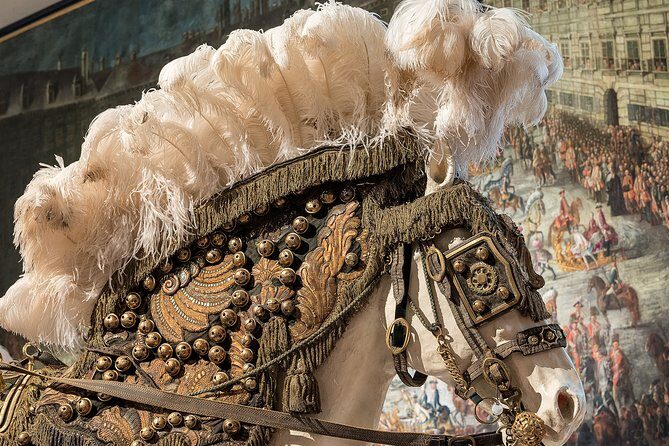
Timing is one of the easiest ways to improve your visit. The museum is open daily, and a later slot near the end of the afternoon can feel calmer. One practical tip that comes up often is that going around 4 PM helps with crowd levels inside.
The main challenge is the physical layout. Narrow hallways can make it hard to stop and focus if groups are moving through at the same time. Even if your group size is small, you can still run into slowdowns when other visitors stop for audio.
So, if you want the most comfortable viewing, aim for:
- later in the open hours, when it tends to feel less congested
- a steady pace where you stop briefly, then move on
- using audio in short sections rather than standing too long at one carriage
Photos are generally possible, and that can help if you’re deciding where to spend your next pause. Snap a quick picture, then decide whether the object deserves your full attention.
A few more Vienna tours and experiences worth a look





How the museum fits into a Schönbrunn day
This is a great museum stop if you’re already walking through the Schönbrunn area and want something different from gardens and palace rooms. The carriage museum gives you a clear theme, and the location makes it easy to combine without long travel times.
It also pairs well with the idea of “ceremony versus everyday.” Schönbrunn connects to grandeur, and the carriage museum explains how that grandeur actually looked when it rolled through streets: the coaches, state vehicles, and even the darker pieces related to Sisi’s final chapter.
If your schedule is tight, don’t panic. The museum is focused, so you can still get a meaningful visit by concentrating on a few anchors:
- the Imperial Coach
- your favorite ruler’s carriages
- the Sisi Trail sequence
- one or two standout personal objects (like the robe, saddle, or riding chapel components)
Price and value: what you’re really paying for
The ticket price is listed at $14.48 per person, and the duration is around 45 minutes. For that price, you get an entrance ticket to the Imperial Carriage Museum near Schönbrunn and the ability to follow the stories through the exhibits and audio guide.
I think the value is strongest for two groups:
- people who like royal history but want it through objects, not long lectures
- people who like specific stories like Sisi, where the museum provides a trail-style route
There’s also a practical value angle. If you’ve already committed to the Schönbrunn area, this ticket is a focused add-on that won’t swallow your whole day.
One note on cost expectations: some people find that additional ticketing rules can apply depending on what other passes they’re using. The exact setup depends on your ticket type, so if you’re using any combination pass, it’s worth double-checking what’s included before you arrive.
Who should book this (and who might skip it)
This is a strong choice if you’re a history fan, especially if you like details you can see up close. Carriages are physical objects with design logic. You’ll enjoy it if you like looking at how styles and craftsmanship communicate status.
It’s also a good fit if you like Sisi stories. The museum is built to guide you through her major life events with the carriages acting like chapters.
If you’re short on time and hate slow museum reading, you might find it tougher. You can still enjoy it, but you’ll need to be selective with what you stop for, or you’ll feel like you’re rushing.
The logistics that matter most (without getting lost)
This activity is near public transportation, and you’ll receive confirmation at booking. The experience uses a mobile ticket, which generally makes entry simpler if you arrive ready to scan and go.
The museum is open from 10:00 AM to 4:00 PM every day during the listed seasons. That end time is a real factor for planning. If your schedule is later in the day, you may miss your chance.
Group size is listed as a maximum of 10 travelers. Still, the museum layout matters more than the official group count. Narrow passages can get tight when multiple groups stop to listen.
Should you book the Imperial Carriage Museum ticket?
Yes, if you want a focused, close-to-Schönbrunn museum that feels more specific than a general palace visit. The carriages are genuinely interesting, and the Sisi Trail gives the visit a clear narrative arc.
Skip it or reduce your expectations only if you’re coming for something super hands-on or you hate spending time reading and listening to audio. This museum is about looking carefully, not about action.
If you’re deciding today, my practical suggestion is this: book it if you can go near the later part of the opening window, and plan for closer to an hour than a hard 45 minutes. That tiny shift will make the narrow-hallway reality easier on you.
FAQ
How long does the Imperial Carriage Museum visit take?
The experience is listed at about 45 minutes. In practice, you may want 60 to 90 minutes so you can read the explanations and not feel rushed.
Is the entrance ticket included?
Yes. The experience includes entrance to the Imperial Carriage Museum near Schönbrunn Castle.
Is there an audio guide?
The museum experience includes learning through an audio guide as you walk around the exhibits.
Where is it located?
It’s located in Vienna, Austria, at the Imperial Carriage Museum near Schönbrunn Palace.
What’s the price?
The price is listed as $14.48 per person.
What are the opening hours?
For the listed dates, it’s open daily from 10:00 AM to 4:00 PM.
Do I need a guide included?
A guide is not included. You can come with a private guide if you want, but the experience provides the audio guide-style learning.
Is it suitable for most travelers?
It’s described as suitable for most travelers.
What about tickets on arrival?
You’ll receive confirmation at booking, and the experience uses a mobile ticket. Plan to scan it at the entrance.
Is it free to cancel?
Free cancellation is offered up to 24 hours in advance for a full refund, based on local time.