REVIEW · VIENNA
Vienna: City Center Guided Walking Tour
Book on GetYourGuide →Operated by Schärf Baltikum Reisen e.U · Bookable on GetYourGuide
Vienna can feel like it’s made of history on purpose. This small-group walk threads Hofburg-era power, Baroque streets, and famous music right into one easy-to-follow route. You start at Maria-Theresien-Platz and end beside St. Stephen’s Cathedral, with a local Austrian guide keeping the story clear and fun.
Two things I genuinely like: the small group size (no crowd crush) and the headsets that make it easy to hear every detail as you move. I also like that the tour is built for first-timers—you get a smart orientation of the Ring Road area and the main sights without needing a museum map.
One consideration: you’ll do a moderate amount of walking, and the tour isn’t suitable for mobility impairments. Also, this is a city-center walk in every weather condition, so you’ll want to dress for wind and cold in winter.
In This Review
- Key moments you’ll get from this Vienna walk
- Meeting on Maria-Theresien-Platz: easy start, clear direction
- What to bring (and what not to)
- Ring Road and Volksgarten: Vienna’s imperial frame in 150 minutes
- Hofburg Palace and Burggarten: where the Habsburg story becomes real
- A note on photo planning
- Spanish Riding School and the Opera area: equestrian ritual meets Vienna’s big stage
- Lobkowitz Palace and Beethoven’s Eroica: the sidewalk history moment
- Hotel Sacher and coffee-house Vienna: the sweet pivot in Graben
- How the guide makes the walk feel easy (headsets, pacing, and small-group size)
- Pace and how long 150 minutes feels
- Weather, winter cold, and what you can do about it
- Ending by St. Stephen’s: what this tour sets you up to do next
- Price and value: is $74 worth it for 150 minutes?
- Should you book this Vienna City Center Guided Walking Tour?
- FAQ
- How long is the Vienna City Center Guided Walking Tour?
- Where do I meet the guide?
- How many people are in the group, and can I hear the guide?
- Are entrance fees included?
- Is the tour suitable for people with mobility impairments?
- What cancellation options are offered?
Key moments you’ll get from this Vienna walk
- Maria-Theresien-Platz start: easy to find between the Kunsthistorisches Museum and Naturhistorisches Museum
- Ring Road overview: a fast way to understand how the historic center is framed
- Volksgarten rose garden to Heroes Square: green space plus big imperial monuments
- Hofburg + Burggarten: the Habsburg residence, plus the emperor’s private garden and former butterfly house
- Spanish Riding School and Opera area: equestrian legend next to Vienna’s cultural stage
- Coffee-house stops near Hotel Sacher: the sweet side of Vienna, plus tips for where to linger afterward
Meeting on Maria-Theresien-Platz: easy start, clear direction
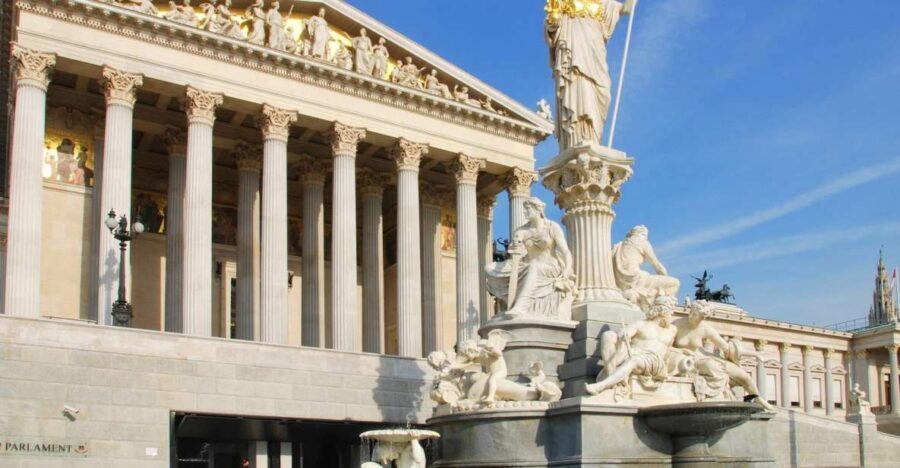
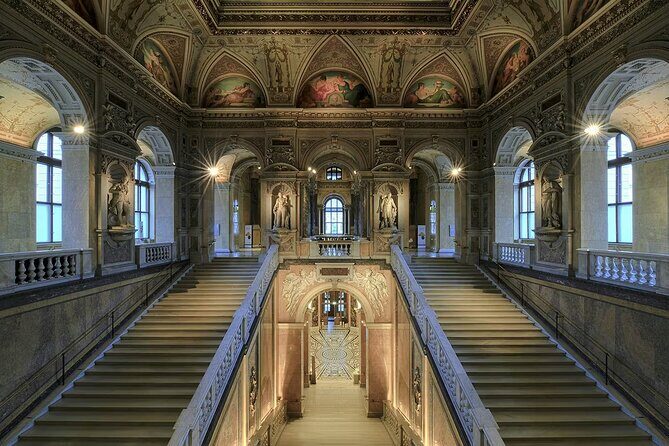
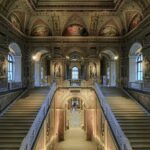
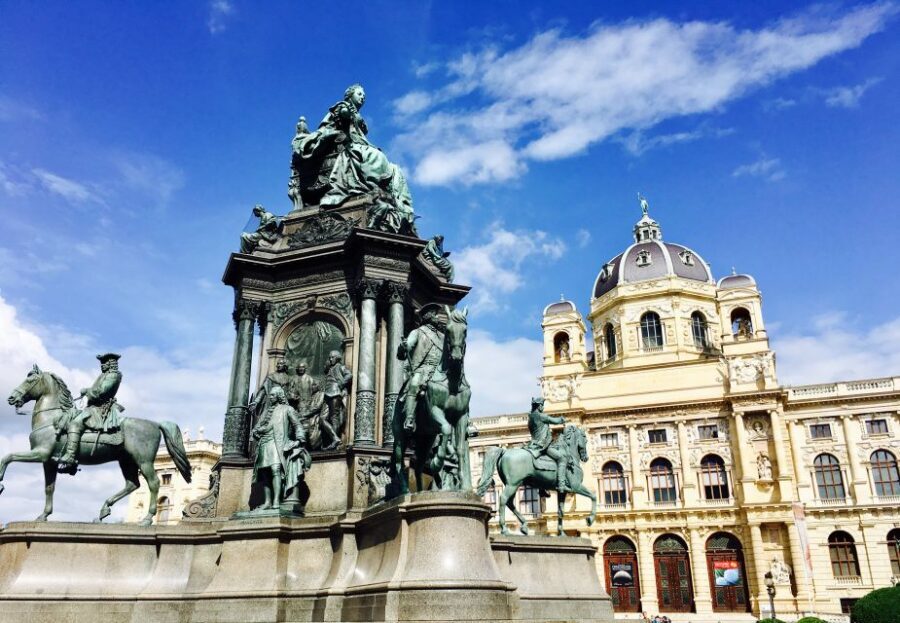
Your tour begins at Maria-Theresien-Platz, by the statue of Empress Maria Theresa. Look for the side of the statue facing outward between the Kunsthistorisches Museum and the Naturhistorisches Museum. Your guide will be holding a green sign that says Vienna City Walking Tour.
This is one of those meeting points that helps you relax. You’re not hunting down a hidden corner. If you’re arriving by public transport, the nearest U-Bahn station is Volkstheater (line U3), and the nearby tram stops include Burgring (lines D, 1, 2, and 71). That makes it practical if you’re staying anywhere in the inner city.
Small-group tours work best when everyone starts together on time. Here, the structure helps: you meet, get oriented, then head out along the Ring Road loop that circles the historic center. If you’re trying to get your bearings fast, this start location does its job.
You can also read our reviews of more walking tours in Vienna
What to bring (and what not to)
A couple of practical rules matter on walking tours: no luggage or large bags, and unaccompanied minors aren’t allowed. The route ends near St. Stephen’s Cathedral, so plan on carrying just essentials—water, a light layer, and your phone for photos.
Also, because this happens in every weather condition, don’t assume “it’s just a short walk.” Vienna wind can cut. In winter, it can be colder than you expect between tall buildings, so I’d dress warmer than you think you need.
Ring Road and Volksgarten: Vienna’s imperial frame in 150 minutes
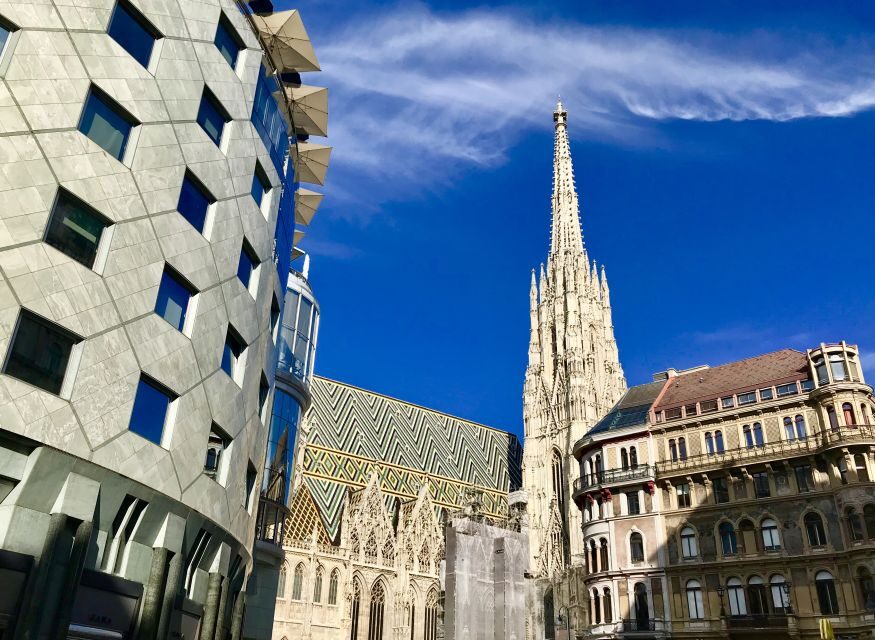
After you start at Maria-Theresien-Platz, you’ll walk along the famous Ring Road surrounding the historical city center. Even if you’ve never studied Vienna before, this stretch helps you see how the city organizes itself: monuments, museums, and power all set into a neat urban loop.
This is where the tour earns its “first-timer” reputation. You’re not just seeing highlights—you’re learning how they relate. The guide links buildings to the empire, so the Ring Road feels less like a sightseeing checklist and more like a map of why Vienna looks the way it does.
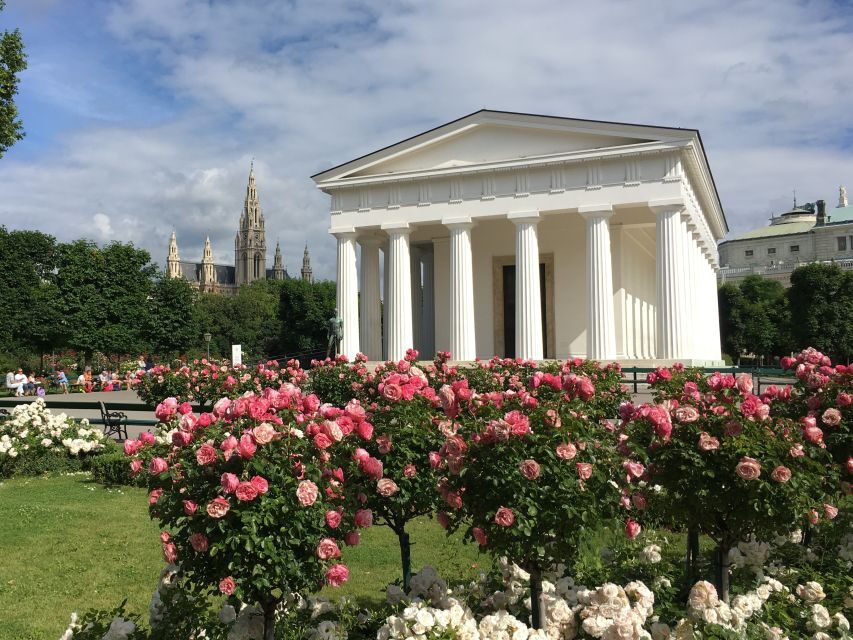
Next comes the Volksgarten rose garden. It’s a breather in a city that can feel grand and heavy. The value here isn’t the flowers themselves (though the season can make a difference); it’s the contrast. After big streets and formal architecture, the garden gives you a calmer view of the imperial setting—almost like a pause button before the next cluster of monuments.
Then you continue to Heroes Square. It’s a shift from garden softness to monument scale. You get the sense that Vienna doesn’t do small statements—if something matters politically or culturally, it’s made visible at a big-city size.
Hofburg Palace and Burggarten: where the Habsburg story becomes real
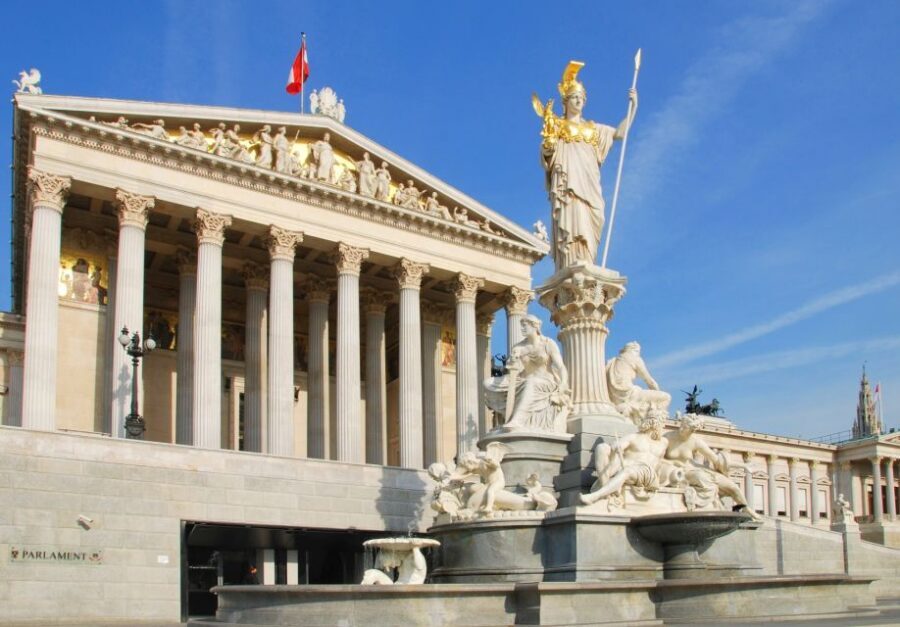
From Heroes Square, the tour moves to Hofburg Palace, the imperial residence where the Habsburg family ruled. Hofburg isn’t just one pretty building—it’s a whole seat of power. In a short walk, that could sound like “we pass by a palace.” The guide’s job is to make it meaningful: explaining who lived there, why it mattered, and how the empire shows up in everyday Vienna architecture.
If you like your history with context, this stop tends to land well. You’re seeing a place tied to formal court life, but you’re also learning the human side—famous figures, major events, and how the empire shaped the city’s identity.
After that, you’ll head to the Burggarten, including the emperor’s private garden and the former butterfly house. The butterfly house detail is a good example of what makes this tour feel more specific than a generic “major sights only” walk. It gives you something to remember besides the big-name façade.
Then you move on toward the Augustinerkirche. This church matters because it links architecture to real life events. You’ll hear stories about imperial weddings held there, and a notable moment tied to Napoleon: Napoleon married Princess Marie Louise there. That one fact helps the church go beyond “another beautiful building.” Suddenly it’s a stage for history.
A note on photo planning
This route offers plenty of photo chances, but you’ll be walking. If you’re serious about pictures, keep your pace with the group and save your longer stops for places where the group naturally pauses—like Hofburg’s main viewpoints or the church approach.
You can also read our reviews of more guided tours in Vienna


Spanish Riding School and the Opera area: equestrian ritual meets Vienna’s big stage
One of the most fun transitions on this tour is from gardens and churches to the Spanish Riding School. You’ll see where the famous Lipizzaner horses are associated with the institution—an iconic symbol of Vienna’s cultural theatre, where tradition is treated like a serious craft.
Even if you don’t plan to attend a performance, this stop helps you understand the image Vienna sells and protects: discipline, formality, and heritage. It also breaks up the walk. The tour isn’t only about palaces; it’s about the rituals that made Vienna feel distinct.
From there, you’ll admire the Vienna State Opera House and also pass Lobkowitz Palace. This is a strong pairing. Opera houses and palaces can blur together if you only see them as architecture. Here, the guide connects them to music and power, so Vienna’s cultural identity feels like part of the same machine.
If you’re a classical-music fan, this portion is especially rewarding because it moves beyond “there’s an opera.” It becomes a story about where art was created and how famous artists were tied to the institutions around them.
Lobkowitz Palace and Beethoven’s Eroica: the sidewalk history moment
This is one of the highlights on the tour: you learn where Beethoven first conducted his Eroica symphony. The fact gets you closer to music history than many people expect from a walking tour.
Why it matters? Because you can stand in a real place and connect it to the idea of a premiere or a major performance. Without needing to enter a building, you’re still placing the music into a physical context—turning a famous title into an actual location in Vienna.
Lobkowitz Palace also helps you see how Vienna treated composers like key players in court life. The city wasn’t just a backdrop; it was a system of patrons, venues, and prestige. A short walk can’t teach you everything about Beethoven, but it can give you the “start point” so later listening or museum visits make more sense.
Hotel Sacher and coffee-house Vienna: the sweet pivot in Graben
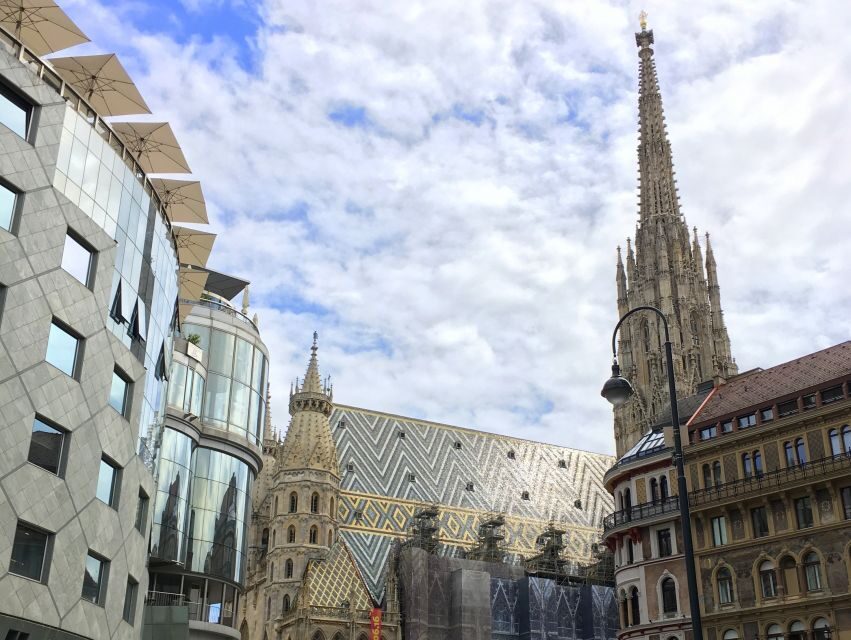
Then the tour does something smart: it slows down the cultural intensity with coffee-house Vienna. You’ll pass elegant coffee houses, including the famous Hotel Sacher, where the Sacher torte is still served.
This section works because it’s not just about dessert. It’s about a Vienna tradition: coffee houses as social rooms where ideas, politics, and everyday life mixed. You’re moving through the city on foot, but the guide frames coffee-house culture as part of how Vienna thinks.
After that, you continue along Graben, a classic shopping street that helps transition from imperial landmarks to a more everyday city feel. It’s an easy way to end the tour feeling like you’ve covered “big Vienna” and “live Vienna” in one pass.
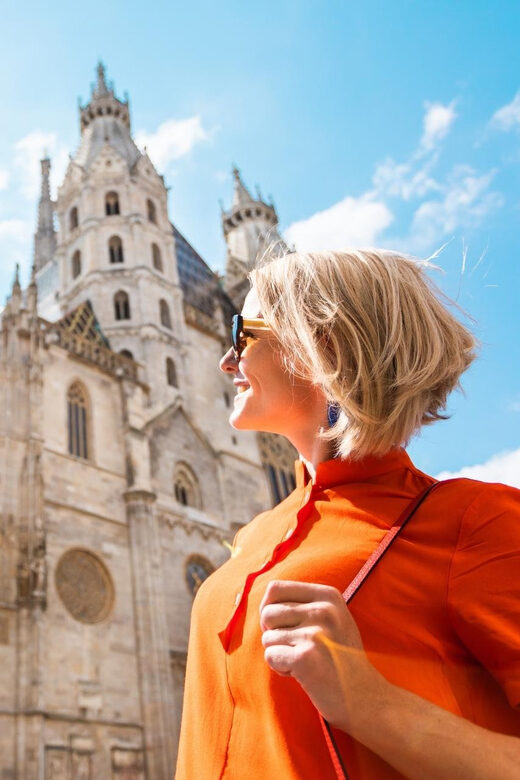
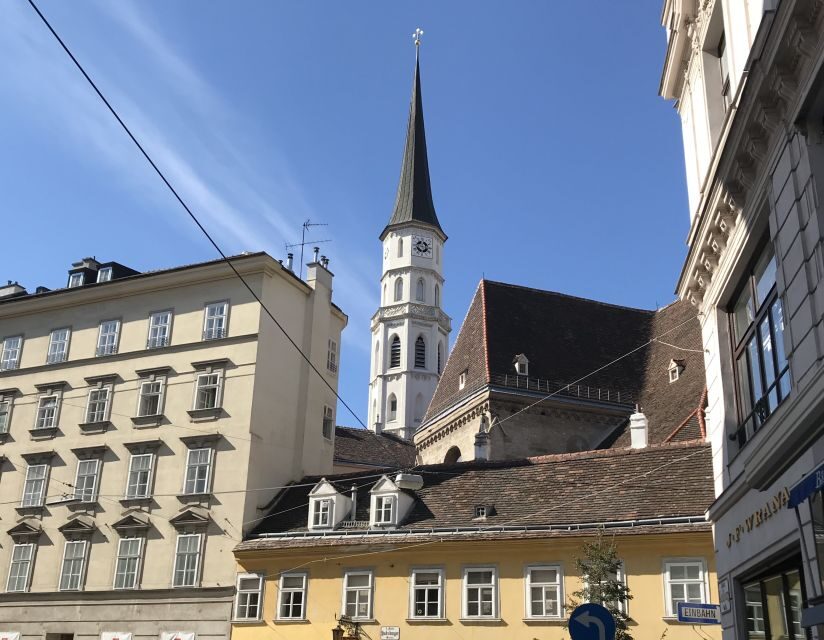
Finally, you end next to St. Stephen’s Cathedral. That end point is practical because the area around it is a natural jumping-off point for your own exploring—once you know the city’s major landmarks, you can decide where you want to spend more time.
How the guide makes the walk feel easy (headsets, pacing, and small-group size)
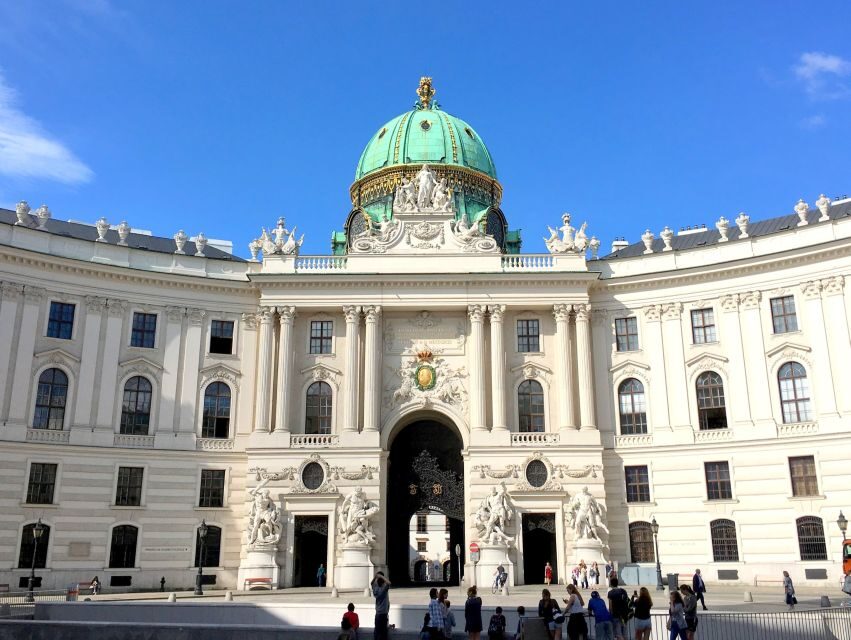
The tour is designed for clarity while you’re moving: you get a licensed local guide and headsets to hear the guide clearly. That matters more than people think. In a busy city center, it’s hard to pick up details if you’re relying on normal volume.
The small group size—no more than 15 people—also helps. You’re not constantly stopping to wait on stragglers, and you have room to ask questions without feeling like you’re talking in a crowded bus.
About guides: in recent departures, guides named Dace and Alex have stood out for how they handled the storytelling. Dace was praised for mixing history with light humour, and Alex was noted for extra care with comfort—making sure the group stood in shade on a hot day and taking time so people could refill water bottles. I like that kind of practical guidance because it turns a history walk into a walk you actually enjoy.
Pace and how long 150 minutes feels
With 150 minutes, you’ll cover a lot of ground without it turning into an all-day hike. Still, it’s not a sit-and-stroll. Expect moderate walking, and plan to keep a steady pace through the route.
Weather, winter cold, and what you can do about it
This tour runs in every weather condition, so you’re planning for rain, wind, or cold as much as for sun. In winter, the cold can feel sharper in areas surrounded by tall buildings. I’d treat warm layers and rain protection as part of the kit, not an afterthought.
Also, because you’ll spend time in open areas along major streets and around monuments, you can’t rely on being inside for warmth. This is a case where dressing in layers pays off. Keep something ready to shed if the day turns mild.
Ending by St. Stephen’s: what this tour sets you up to do next
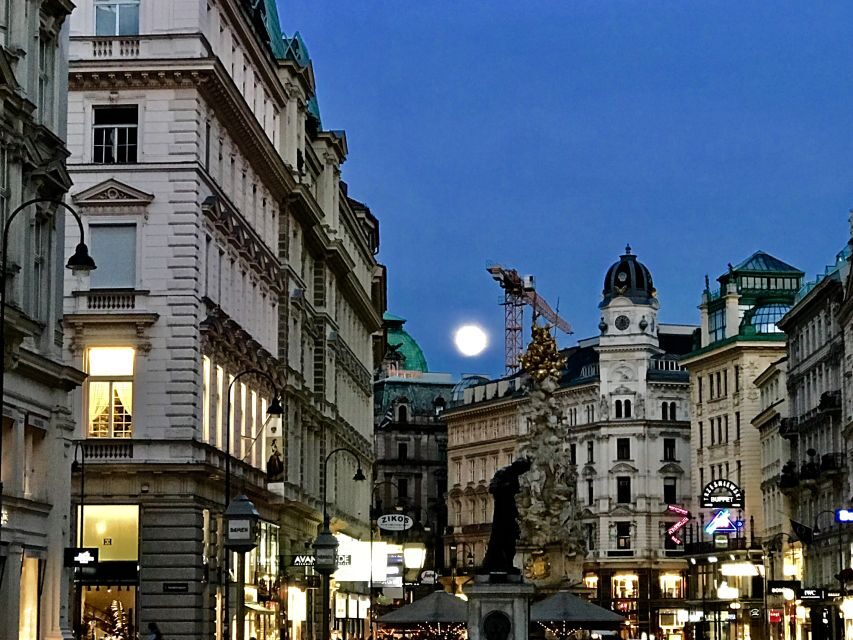
Finishing next to St. Stephen’s Cathedral is a good move. You end at one of Vienna’s best-known visual anchors, so you can confidently head off in whichever direction you want next.
If you want to keep building the story you started on this walk, you’ve now got a mental map: Ring Road context, the imperial core around Hofburg, cultural landmarks like the Opera, and the everyday Vienna touch with coffee-house culture around Graben. That combination is exactly what a short guided walk should do—give you enough orientation to stop guessing.
Price and value: is $74 worth it for 150 minutes?
At $74 per person for a 150-minute small-group tour, value comes down to what you get besides “see buildings.” Here, you get three practical upgrades: a local guide, headsets, and a route that ties together multiple eras and famous figures without requiring museum entry fees.
Entrance fees aren’t included, so you aren’t paying extra to go inside buildings during this specific walk. That can be a plus if you prefer exterior viewing and explanation on the street, especially with a tight time window. If you want interior access, you’d plan those separately.
For first-time visitors, the cost is often easier to justify because you’re buying orientation plus context. In a city like Vienna, that’s what saves time later. You’ll know where you want to return, and you’ll understand why the buildings matter when you do.
Should you book this Vienna City Center Guided Walking Tour?
I think you should book this tour if you want a focused introduction to Vienna’s core sights, with clear audio, a small group, and a guide who connects monuments to real stories. It’s a solid choice when you have limited time but still want more than a photo parade.
Book it especially if any of these are your priorities:
- You’re interested in Habsburg Vienna and how the empire shows up in the city’s layout
- You like classical music references, including Beethoven’s Eroica
- You want the coffee-house side of Vienna, including the pull of Hotel Sacher and the Sacher torte tradition
Skip it if:
- You need a wheelchair-friendly route (it’s not suitable for mobility impairments)
- You’re bringing large luggage (not allowed)
- You want lots of indoor time or paid entries during the tour (entrance fees aren’t included)
If you fit the walking range and want a guided path through the city’s big landmarks with practical hearing support, this is a strong way to start your Vienna stay.
FAQ
How long is the Vienna City Center Guided Walking Tour?
The tour lasts 150 minutes.
Where do I meet the guide?
Meet your guide by the statue of Empress Maria Theresa on Maria-Theresien-Platz, on the side facing away from the square. The statue is between the Kunsthistorisches Museum and the Naturhistorisches Museum. The guide holds a green sign reading Vienna City Walking Tour.
How many people are in the group, and can I hear the guide?
This is a small group with no more than 15 people. You also receive headsets so you can hear the guide clearly.
Are entrance fees included?
No. Entrance fees are not included.
Is the tour suitable for people with mobility impairments?
No. The tour is not suitable for people with mobility impairments.
What cancellation options are offered?
There is free cancellation up to 24 hours in advance for a full refund.