REVIEW · VIENNA
Walking Tour Vienna
Book on Viator →Operated by Prime Tours Vienna · Bookable on Viator
Vienna looks best from above, and this tour gets you there fast. You’ll start with standout aerial views around the Prater area and then earn your thrills on a downhill non-motorized scooter ride that can reach 64 kph. It’s a short day plan that mixes orientation with real action, not just standing around.
Two things I really like: the city orientation built around the Hofburg and Heldenplatz, and the hands-on scooter format that includes a practice run before you point downhill. You also get a small-group feel, which matters when you’re sharing gear and learning a new way to move through Vienna.
One caution: it can be cold, and the ride involves braking for sharp bends—so dress for cool weather and be ready to focus when things pick up speed.
In This Review
- Key things to know before you go
- The big idea: scooter thrills plus classic Vienna orientation
- Meeting points and how the day flows
- Hofburg and Heldenplatz: your quick old-town orientation stops
- Stop 1: The Hofburg (about 15 minutes)
- Stop 2: Heldenplatz (about 15 minutes)
- Prater to the Vienna University campus: where you learn the scooter
- Kahlenberg: panoramas, monastery views, and the first real downhill run
- Exelberg: leafy urban vineyards and another chance to ride
- What kind of guide experience you can expect
- Price and value: does $22.83 make sense for what you get?
- How to prepare so the ride feels fun (not stressful)
- Should you book this Vienna scooter and city-orientation tour?
- FAQ
- How long is the Walking Tour Vienna experience?
- What does it cost?
- Is there a mobile ticket?
- What language is the tour offered in?
- Where do I meet, and where does it end?
- What happens at the main sightseeing stops?
- Is there an admission fee for the stops?
- Does the tour include scooter riding?
- Is the tour canceled if the weather is bad?
- Are tips required?
Key things to know before you go
- Downhill cross-scooter, not a motorbike: You’ll practice first, then ride downhill with real speed potential.
- A quick Vienna history warm-up on the route: Hofburg and Heldenplatz are passed with clear storytelling and orientation.
- Prater + Vienna University campus stop: A techy warm-up loop through the park area and the Economics & Business campus.
- Kahlenberg to panoramas: You’ll go to a wooded hill north of the city and get views plus a monastery photo moment.
- Exelberg vineyards scenery: One of the later runs passes leafy urban vineyards along the hillsides.
- Small group, personalized handling: Max 40 travelers with a guide who stays attentive to the group.
The big idea: scooter thrills plus classic Vienna orientation
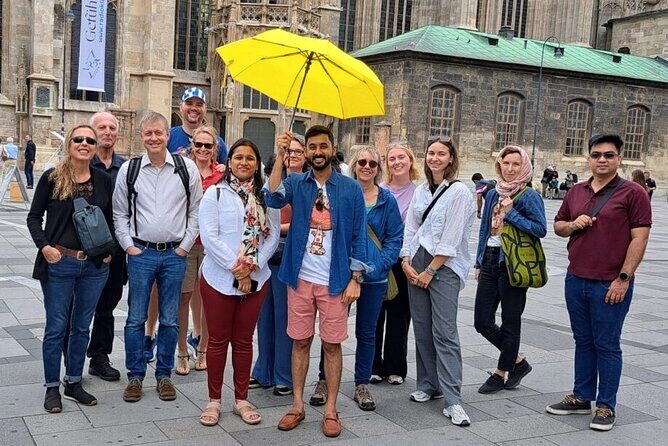
This isn’t the kind of tour where you spend two hours slowly meeting the same handful of landmarks from the same angles. Instead, you get two different modes of Vienna in one block: city-sightseeing stories in central Vienna, then a day-out feeling as you head to Prater and the hills beyond the city.
If your first day in Vienna feels overwhelming, this tour can help you get your bearings fast. The guide routes you through key old-center viewpoints (Hofburg and Heldenplatz) and then uses that momentum to justify the bigger day: a minivan ride out, a scooter warm-up, and a downhill sequence that actually changes how you see the city.
And yes, the Prater element matters. The park is right there in Vienna’s orbit, so you’re not doing a far-away excursion where you feel disconnected. You’re just far enough to breathe, then you’re back at the end near Stephansdome.
You can also read our reviews of more walking tours in Vienna


Meeting points and how the day flows
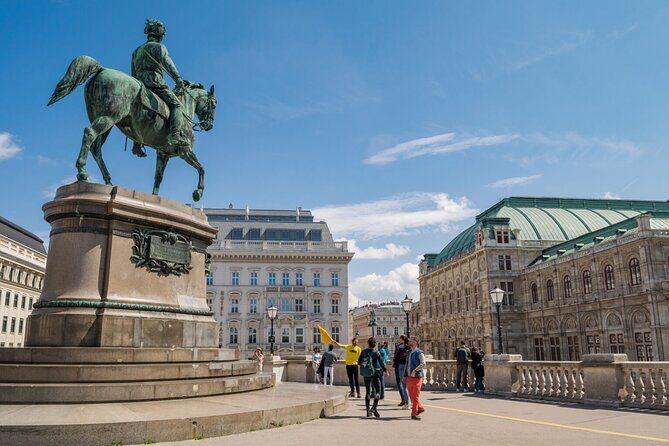
You meet at Helmut-Zilk-Platz on Albertinapl. (1010 Wien). Expect a central start and a finish that’s just a short walk from St. Stephen’s Cathedral (Stephansplatz). That’s a smart layout because it makes it easy to roll into dinner plans afterward without fighting transit all night.
The group ride to the Prater area happens by air-conditioned minivan. That’s not just comfort—it’s time-saving. In a city like Vienna, getting out to the hills and back efficiently is the difference between feeling rushed and feeling like you got a real “day activity,” even though the tour is about two hours long.
What I’d plan: wear clothes you can layer. Even when the day starts mild, the combination of park wind and hill time can feel cooler than you expect. The tour runs in all weather, so your best strategy is dressing for temperature swings rather than hoping for perfect conditions.
Hofburg and Heldenplatz: your quick old-town orientation stops
The tour includes two central sightseeing moments before the bigger scooter section.
Stop 1: The Hofburg (about 15 minutes)
You pass the Hofburg, and the guide fills in stories as you move through the area. This stop is valuable because the Hofburg isn’t just a pretty complex—it’s tied to the identity of Vienna, especially the Habsburg era. Even if you’re not going deep into museums that day, seeing it with a guide’s framing helps the rest of your visit click.
A practical note: since it’s a pass-by, don’t expect a long look at every facade detail. Think of it as “context plus orientation,” not a slow architectural tour.
Stop 2: Heldenplatz (about 15 minutes)
Next comes Heldenplatz, where you’ll see major monuments and learn about the square’s history. This is one of those places where the size of the space makes the stories easier to understand. The guide’s job here is to help you read the square instead of just watching crowds.
Again, short stop means you’ll get the gist and then move on. If you want detailed building-by-building analysis of every corner, you might find yourself wanting more after the tour. But for getting your bearings and understanding what you’re looking at later, it works.




Prater to the Vienna University campus: where you learn the scooter
After meeting, you head to Prater by minivan. Then you do a short stroll through the park area, including the famous giant ferris wheel (the one that practically defines the scene). This part sets expectations: you’re not just starting a race; you’re in the right environment.
Then comes the core transition: you collect your downhill cross scooter, put on the supplied helmet, and get a practice ride. That practice isn’t a formality. It’s the moment where you build confidence with the handling—especially important because this scooter is non-motorized and you’ll be going downhill later.
The practice route includes the park and the campus of the Vienna University of Economics and Business. The campus is known for eye-catching, colorful buildings, and it gives you variety while you’re still in learning mode. It’s a smart setup: you’re practicing on a route that feels more controlled than the hill runs, so you’re not learning skills at the same time you’re reaching speed.
If you’re comfortable riding a two-wheeler and you follow instructions closely, you’ll likely feel ready when the downhill portion begins. If you’re nervous, use the practice time seriously—slow is fine here.
Kahlenberg: panoramas, monastery views, and the first real downhill run
Now the tour turns into what most people book for: downhill riding.
You’ll head to Kahlenberg, a wooded hill north of Vienna. The reason Kahlenberg is worth your time is simple: it’s one of the best places to feel how big the city really is. From the hill, your view can spread out in a way you don’t get from street level.
Along the way, you may get the chance to see the Klosterneuburg Monastery, plus panoramic views. This is where the tour earns its “day away from the hustle and bustle” vibe. You’re not stuck in traffic or boxed in by crowds—you’re on a slope with open sky.
Then the downhill starts. The ride can reach speeds of up to 39 miles per hour (64 kph). That number is exciting, but the real point is how the guide and the braking discipline keep you safe through sharp bends. Downhill riding is not about raw speed—it’s about timing your weight shift and braking before the turns get tight.
You’ll slow down to negotiate the bends, then you’ll repeat the downhill concept with additional runs.
Exelberg: leafy urban vineyards and another chance to ride
After the Kahlenberg run, you’ll do two more downhill rides. One includes an area called Exelberg, where the hillsides are coated in leafy urban vineyards.
This matters for photography and for the feel of the ride. The vineyard slopes create a different texture to the view than city streets do. Even when you’re moving fast, you still notice the greenery and how the hills shape the road.
The route is described as a steep, snaking series of roads. That means expect multiple turns, more braking moments, and a real test of confidence after your first downhill experience. The good news is that you’re not thrown into it blind; the practice ride and earlier run help you build that comfort before the later laps.
What kind of guide experience you can expect
The tour leans heavily on storytelling and practical pacing. In particular, guides like Michael and Katharina are known for keeping the group engaged and moving with clear explanations and helpful answers.
You’re also getting a guide who’s running a setup that includes helmets, scooters, and weather considerations. That changes the vibe compared with a pure walking tour. The best-case scenario is what you want here: a guide who can explain history and also keep the group safe and comfortable during scooter transitions.
There’s also some flexibility built in. The tour description notes you can customize the itinerary to your preferences. In practice, that usually means the guide adjusts where they spend time—especially around viewpoints and the pacing of the stops.
One more reality check: this is a city + ride combo, so it’s not designed to be a full-on architecture deep dive. You’ll leave with a strong sense of orientation, but if you’re hunting for extremely detailed building facts, you may still need another stop later with a slower tour or self-guided wandering.
Price and value: does $22.83 make sense for what you get?
At $22.83 per person, this is priced like an efficient, short-format tour with a lot packed into it. The value comes from three places:
- Transportation + activity planning: You’re getting an air-conditioned minivan to Prater and structured time outdoors, not just meeting at a square and chatting.
- Gear provided: Helmets are supplied, and you’re given the scooter for the downhill part.
- Time saved on orientation: Hofburg and Heldenplatz are quick stops that help you connect what you see later in Vienna.
Yes, it’s not a multi-day scooter adventure. But it is a focused “Vienna day highlight” that mixes central viewpoints with a big, memorable ride. If you want one activity that feels fun and also helps you understand the city, this price feels fair.
If you’re a person who prefers a quiet walking pace and dislikes speed or steep turns, you might consider skipping the scooter component and doing a more traditional walking route instead. You’d still get the central history stops, but the real heart of the tour is clearly the downhill riding.
How to prepare so the ride feels fun (not stressful)
Here’s how I’d prep if you want the best possible experience:
- Dress for cold and wind. The tour runs in all weather, and one cold day can turn a thrilling ride into a shivery memory.
- Wear proper layers. You’ll have movement, then stops, then more movement on slopes.
- Use the practice ride time seriously. The scooter introduction is your warm-up for speed control later.
- Follow braking instructions closely. The description makes it clear you’ll need to slow for sharp bends, and that’s where attention counts.
- Bring your mindset: You’re going to be riding and moving a lot. Expect a busy two hours, not a slow sightseeing stroll.
On timing, expect about two hours total. That’s long enough to learn and ride, but short enough that it won’t wreck your whole day.
Should you book this Vienna scooter and city-orientation tour?
Book it if:
- You want a first-day orientation that doesn’t feel boring.
- You like the idea of a downhill scooter with a practice run before you go faster.
- You want to see Vienna from viewpoints beyond street level—Prater area and hill views at Kahlenberg.
Skip it or choose another option if:
- You want a slow, detailed walking tour focused only on buildings and museum-level explanations.
- You’re very uncomfortable with speed, steep roads, or braking through tight curves.
If you’re the type who likes mixing history stops with a hands-on activity, this one fits nicely. You’ll walk away knowing where the major old-center anchors are (Hofburg, Heldenplatz), and you’ll remember the views and the downhill rides as a real Vienna highlight.
FAQ
How long is the Walking Tour Vienna experience?
It’s about 2 hours.
What does it cost?
The price is $22.83 per person.
Is there a mobile ticket?
Yes. It includes a mobile ticket.
What language is the tour offered in?
The tour is offered in English.
Where do I meet, and where does it end?
You start at Helmut-Zilk-Platz on Albertinapl. 2-3, 1010 Wien. The tour ends near St. Stephen’s Cathedral (Stephansplatz 3), with a 1–2 minute walk to the cathedral area.
What happens at the main sightseeing stops?
You’ll pass by the Hofburg with stories, then visit Heldenplatz to see monuments and learn about the square’s history.
Is there an admission fee for the stops?
The Hofburg and Heldenplatz stops are listed as free.
Does the tour include scooter riding?
Yes. You’ll ride a non-motorized downhill cross scooter, with a practice ride before the downhill runs.
Is the tour canceled if the weather is bad?
No. It operates in all weather conditions, so dress appropriately.
Are tips required?
Tips are not necessary, but more than welcome.