REVIEW · VIENNA
Vienna Classical Concert – Strauss in Historic 1837 Hall
Book on Viator →Operated by House Of Strauss - Museum Concert Restaurant Vienna · Bookable on Viator
A real Vienna evening needs the right room. This one pairs the House of Strauss Museum with a live concert in the historic Strauss Hall built in 1837, so you get context before the music starts. I especially like that your ticket includes museum time (not just a quick pass), and that the performance features the orchestra plus a standout solo singer. One thing to watch: timing info can be confusing, so plan your arrival using the clear schedule printed on your ticket.
The whole plan is built around a simple flow: museum first, then you move into Strauss Hall, then you settle in for the 20:30–21:30 concert. You also have an English option, which helps if your German is more of a polite idea than a working skill.
In This Review
- Key things I’d plan around before you go
- Strauss Hall (1837) and the sound of old Vienna
- Museum first: what your 18:00 slot is really for
- Strauss Hall entry at 19:30: the calm before the music
- The concert itself: orchestra + solo voice in a historic setting
- Price and value: what $78.61 gets you (and what to double-check)
- Language, tickets, and simple ways to avoid stress
- Getting there: where people get tripped up, and how to plan
- Who this Strauss concert suits best
- Should you book this Vienna Classical Concert?
- FAQ
- What times should I expect for the museum and concert?
- Is the concert ticket separate from the museum?
- Is the concert offered in English?
- Do I need a printed ticket?
- How long is the experience?
- Where is the experience located in Vienna?
- Can I use public transportation to get there?
- Can I cancel and get a refund?
- Is it accessible for most travelers?
Key things I’d plan around before you go
- Museum time matters: plan your evening around the 18:00 museum slot.
- Concert hall entry is scheduled: Strauss Hall entry is at 19:30.
- Show length is about an hour: expect 20:30–21:30 for the concert.
- English is available: helpful for understanding the program.
- Mobile ticket: you’ll enter with your phone.
- Transit-friendly location: it’s near public transportation, though taxis can add up.
Strauss Hall (1837) and the sound of old Vienna
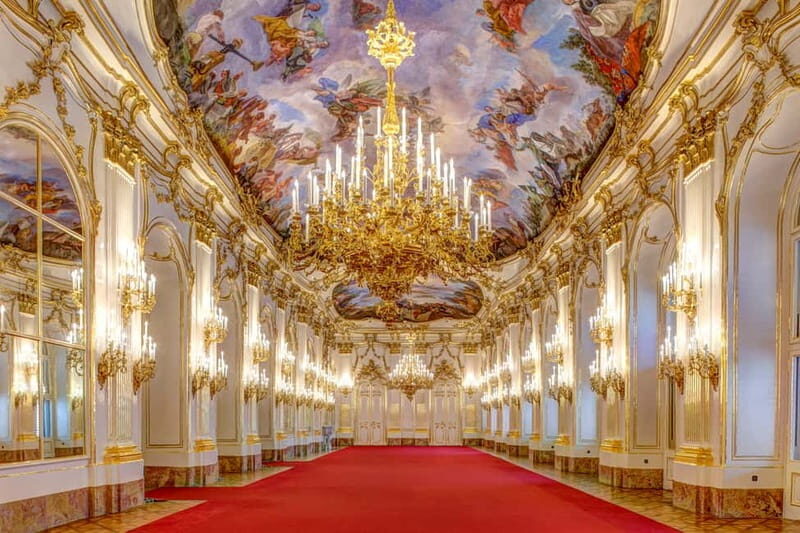
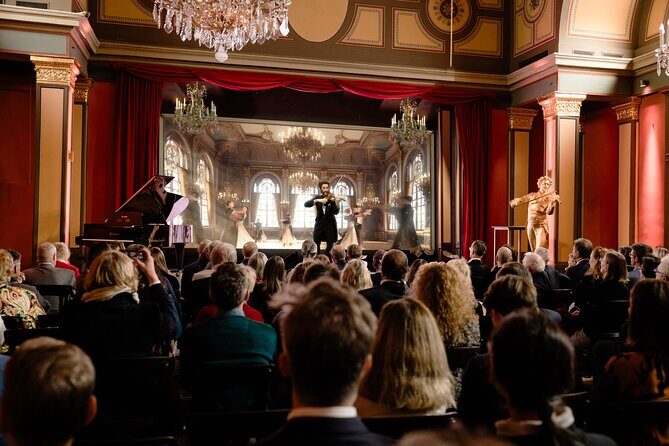
If you care about classical music, the room matters almost as much as the program. Strauss Hall is historic—built in 1837—and that kind of setting changes how the music lands. Even if you’re not a die-hard expert, you’ll feel the difference: the sound carries, the atmosphere is more formal than a typical concert venue, and the evening feels like it belongs to Vienna, not just in Vienna.
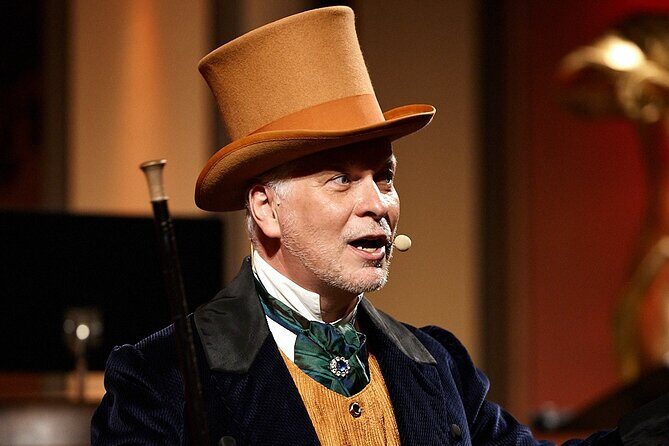
This concert also has a built-in “story mode.” You’re not walking in cold. First you visit the House of Strauss Museum, where the Strauss dynasty is the focus. Then you sit down and hear music that comes from that same world. It’s a practical way to connect the dots between composers, family, and the style people associate with the golden Viennese age.
What I like most is that it’s not trying to be overly fancy or confusing. You get one main event, one hall, and a clear evening rhythm. That makes it easier to actually enjoy the music instead of spending the whole time figuring out logistics.
Possible downside: because it’s a venue with a scheduled museum-to-concert flow, you can’t just stroll in whenever. If you show up at the wrong time—or rely on vague timing notes—you’ll either rush the museum or miss your best pre-concert buffer.
You can also read our reviews of more historical tours in Vienna



Museum first: what your 18:00 slot is really for
Your ticket includes admission to the House of Strauss Museum, with museum access beginning at 18:00. The idea is simple: give you a chance to understand who the Strauss family was and why their music became so central to Viennese life.
From there, the evening moves at 19:30 when you enter Strauss Hall. That’s an important detail for your planning.
Here’s how I’d think about the museum time:
- If you arrive early, you’re likely to spend extra time waiting around.
- If you arrive too late, you may feel rushed and lose the calm part of the experience.
One useful review-based tip: the museum doesn’t take ages. If you like looking at details slowly, give yourself a bit more time. If you’re the kind of person who reads what matters and keeps moving, you’ll likely finish sooner than you expect. That’s why your timing window is more important than people assume.
The museum experience also sets expectations. It’s not described as a high-tech show. It’s a museum visit tied directly to the Strauss family and the surrounding world. So if you’re hoping for a modern, interactive experience, you might find it more old-school than you’re used to. But if you want context for what you’ll hear next, it makes the concert feel smarter and more connected.
Strauss Hall entry at 19:30: the calm before the music
Once the museum chapter is done, you transition to Strauss Hall with scheduled entry at 19:30. This is where the evening stays organized, and it’s also where you can prevent a lot of stress.
I recommend arriving in a mindset that’s slightly ahead of the schedule, not dramatically early. A long pre-concert wait can turn into wasted time—especially if you took a cab and already paid for the ride. On the other hand, arriving late can stress you out and make you feel like you’re chasing the start.
One common problem that showed up in feedback: some timing information can appear inconsistent. Tickets may show earlier times than the concert actually starts, which can make you plan wrong. I’d treat the clearest, most official times on your specific ticket as the truth. Then plan your route and arrival accordingly.
If you’re trying to do this without anxiety:
- Aim to be comfortable for museum viewing before hall entry.
- Use the 19:30 entry as your anchor point.
- Then settle in for the concert from 20:30–21:30.
The concert itself: orchestra + solo voice in a historic setting
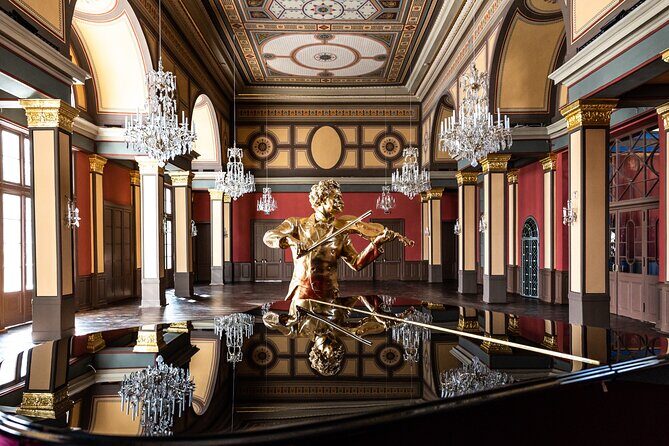
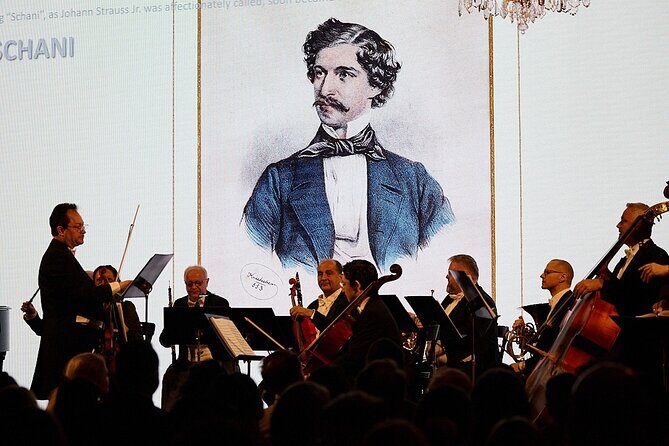
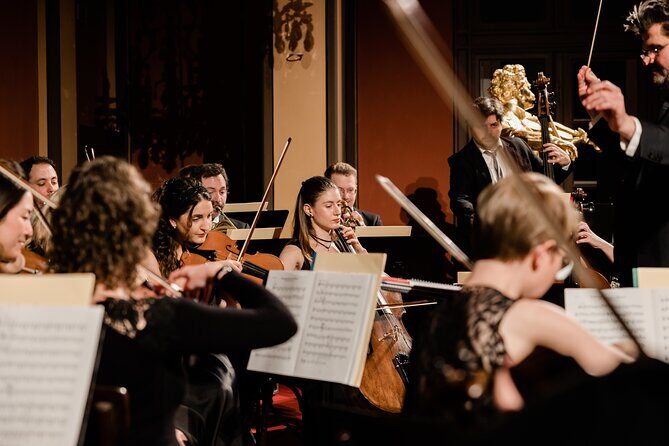
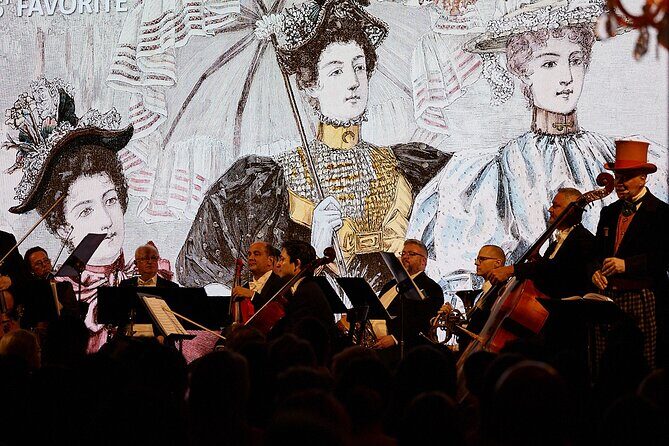
The concert runs 20:30 to 21:30, with the House of Strauss Orchestra performing in Strauss Hall. The program is designed to bring you into the elegant, romantic mood people associate with classic Viennese music.
What makes this show stand out for many people is the combination of a strong orchestra with a notable solo singer. Reviews repeatedly highlight the vocal quality, with praise for a soprano voice that really carries the melodies. Even if you don’t speak German fluently, a strong singer helps you follow the arc of the music. And when the singer and orchestra work well together, it feels like one unit—not separate parts.
In practical terms, you can expect:
- A focused, one-hall concert experience
- Music that fits the Strauss-era romantic style
- A performance that leans more toward “evening listening” than “background music”
Also, because this is offered in English, you have a better chance of catching the flow of the program. I find that matters a lot with classical concerts—understanding even a little of what’s happening turns it from sound to story.
Price and value: what $78.61 gets you (and what to double-check)
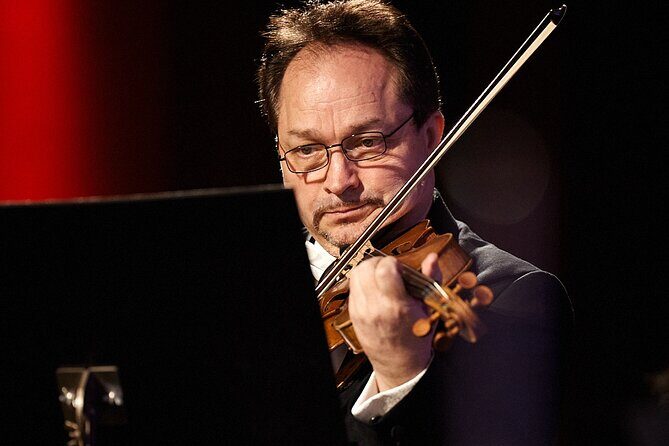
At $78.61 per person, you’re paying for two things at once: the concert plus museum admission included in the ticket. That bundling is what makes the price feel reasonable compared to paying for a concert ticket alone and then trying to squeeze in museum time separately.
You should also think about your own travel habits:
- If you like structured evenings and want everything handled in one package, this is good value.
- If you only care about the music and you dislike museums, it may feel like you’re paying for time you won’t use.
That museum piece is also why timing can feel strict. You’re not just buying the show; you’re buying the full evening rhythm.
The other value question is logistics. If you’re staying near the city center and can use public transport, you’ll probably feel great about the price. If you end up stuck paying for taxis just to make the schedule work, the true cost creeps up. One of the most practical takeaways: protect your budget by using transit where you can.
A few more Vienna tours and experiences worth a look




Language, tickets, and simple ways to avoid stress
This experience is offered in English, and you’ll get a mobile ticket. That means you can avoid printed paperwork and just keep your confirmation handy on your phone.
Here’s what I suggest to make the evening smoother:
- Use the scheduled times on your ticket as the plan, not general web timing.
- Build in slack for getting to the venue and finding the right place to check in.
- If you’re driving or using a taxi, try to ensure you won’t need extra trips because of timing confusion.
Also note the location is near public transportation, which is great for staying flexible. If you’re someone who hates last-minute walking with a growling stomach or a tight schedule, transit access is a real plus.
Getting there: where people get tripped up, and how to plan
Vienna can be easy to navigate, but a small venue can still create big friction if you don’t plan your route. Some feedback called out that the location can be difficult depending on where you’re staying. The most expensive version of that difficulty is relying on taxis both ways.
So I’d treat this as a “use transit if possible” night:
- Start with the nearest public transport option.
- Give yourself enough time to walk at a comfortable pace to the meeting point.
- Then plan around the 18:00 museum and the 19:30 hall entry timing.
If you’re in the inner-city area, you might find public transport straightforward. If you’re farther out or have limited mobility, you’ll want to test your route ahead of time so you’re not making a decision at the last second.
Who this Strauss concert suits best
This is ideal if you want a classic Vienna evening with a clear structure.
It fits especially well for:
- People who enjoy Strauss-style classical music and want the full romantic mood
- Travelers who like connecting music to context (museum included)
- Anyone who benefits from an English program
- Visitors who prefer one organized event instead of piecing together multiple stops
It may not be perfect if:
- You hate museums or you only want the concert portion
- Your schedule is tight and you don’t want to manage fixed entry times
- You’re sensitive to timing confusion and hate double-checking details
The good news: the experience is built for most visitors, and it explicitly allows service animals. If you typically travel with accessibility needs, you’ll likely find it manageable since most travelers can participate.
Should you book this Vienna Classical Concert?
Book it if you want an evening that feels distinctly Viennese, not generic. The best reason is simple: your ticket includes both museum access and a live orchestra concert in a historic 1837 hall. That pairing is what turns the night into more than just a ticket with a start time.
Before you book, do two quick checks:
- Make sure you understand the sequence: museum from 18:00, hall entry 19:30, concert 20:30–21:30.
- Plan your route using public transport if you can, so you don’t end up spending extra money just to solve timing.
If you’re the kind of traveler who likes a smooth, well-timed evening with high-quality performance and easy-to-follow scheduling, this is a strong choice.
FAQ
What times should I expect for the museum and concert?
Museum entry begins at 18:00, hall entry is at 19:30, and the concert runs from 20:30 to 21:30.
Is the concert ticket separate from the museum?
No. Your admission ticket includes entrance to the House of Strauss Museum.
Is the concert offered in English?
Yes, the experience is offered in English.
Do I need a printed ticket?
No. You’ll have a mobile ticket.
How long is the experience?
Expect about 1 to 2 hours total.
Where is the experience located in Vienna?
It takes place in Vienna at the House of Strauss venue (House of Strauss – Museum Concert Restaurant Vienna).
Can I use public transportation to get there?
Yes. The meeting point area is near public transportation.
Can I cancel and get a refund?
Yes. You can cancel for a full refund up to 24 hours before the experience’s start time.
Is it accessible for most travelers?
Most travelers can participate, and service animals are allowed.