REVIEW · VIENNA
Vienna: Jewish Museum Vienna and Museum Judenplatz Tickets
Book on GetYourGuide →Operated by Jüdisches Museum Wien · Bookable on GetYourGuide
A short walk through painful history, told clearly. That’s what I like most about Jewish Museum Vienna: you get two connected sites and a story that moves in time, from the late 1940s to medieval roots and the Holocaust. I also really appreciate the museum’s practical design for understanding: objects are shown with their origins, and you’re guided with an audio guide in English or German so you’re not stuck guessing what matters.
The one thing to consider is mood and pace. This museum is honest about suffering, and if you want a lighter, entertainment-first stop, you might find parts of it feel like careful reading and reflection rather than quick thrills.
In This Review
- Key things I’d prioritize
- Jewish Vienna, Split Across Two Sites: How to Plan Your Visit in 3 Days
- Dorotheergasse Palace Near St. Stephen’s: Our City! Jewish Vienna – Then to Now
- How the Permanent Exhibition Moves: 1945 to Now, Then Back to the Middle Ages
- Museum Judenplatz: Medieval Synagogue Foundations and a 3D Reconstruction
- Temporary Exhibitions and Events: How to Keep It from Feeling Like a Lecture
- Audio Guide in English/German: Using It Like a Tool, Not a Crutch
- Price and Value: Is This $17 Ticket Worth Your Time?
- Guided vs. Self-Guided: When a Person Makes the Difference
- Who This Suits Best in Vienna (and Who Might Want Another Stop)
- Should You Book This Ticket?
- FAQ
- What locations are included in the ticket?
- How long is the ticket valid?
- Are audio guides included?
- Which languages are available?
- Is Museum Judenplatz included with the same ticket?
- What can I see at the Dorotheergasse site?
- What is specifically featured at Museum Judenplatz?
- How much time should I plan for both sites?
- Is the experience wheelchair accessible?
- Is free cancellation offered?
Key things I’d prioritize
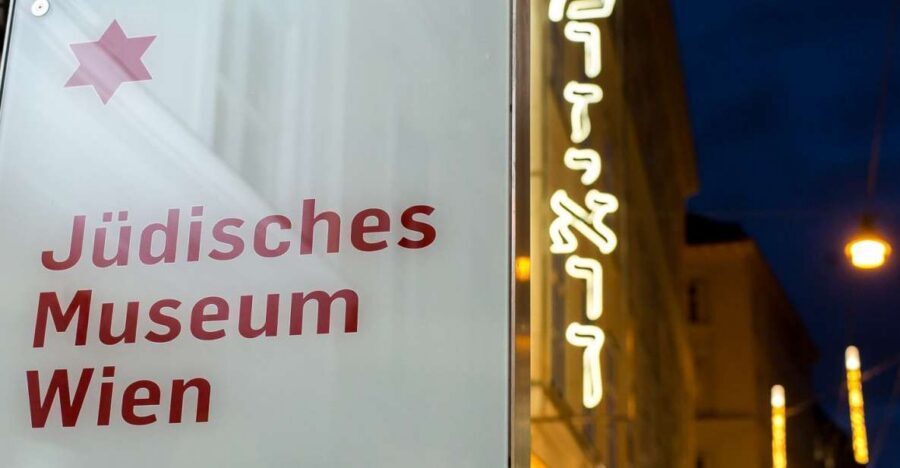
- Two locations, one thread: Dorotheergasse and Museum Judenplatz connect into a single timeline of Jewish Vienna
- Our City! Jewish Vienna – Then to Now: permanent exhibition that starts in 1945 and moves backward
- Multimedia/audio support in EN/DE: easier understanding without needing a guidebook marathon
- Judenplatz’s medieval synagogue remains: you’ll see foundations and a 3D reconstruction
- Well organized and not overly crowded: a museum day that still feels manageable
- Guides can turn context into clarity: names like Miki, Wolfgang, and Victoria show up as standout explainers
Jewish Vienna, Split Across Two Sites: How to Plan Your Visit in 3 Days
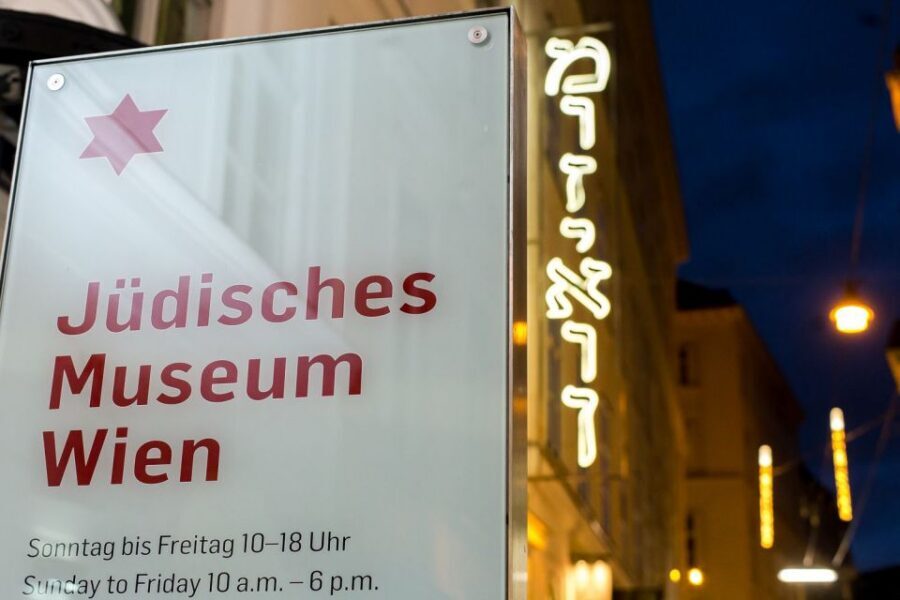
This ticket covers both Jewish Museum Vienna locations, so you can spread your visit instead of rushing. The calendar math is simple but important: the ticket is valid for 4 days from the date of issue, and then it’s good for 3 days from the first activation. That gives you flexibility if your Vienna schedule shifts due to weather, a late arrival, or just plain jet lag.
I like that this isn’t one big “museum blob.” Instead, each site has a different job. Dorotheergasse (near St. Stephen’s Cathedral) helps you understand Jewish life and identity through exhibitions and objects. Museum Judenplatz gives you the physical anchor—medieval synagogue foundations—so the historical story lands in a very real way.
If you’re staying in central Vienna, this also works well as a low-stress day. Plan one location per morning or afternoon, then use your remaining time to explore nearby sights at a human pace.
A few more Vienna tours and experiences worth a look
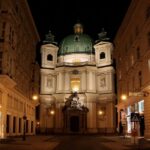

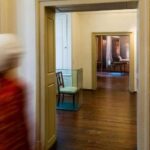
Dorotheergasse Palace Near St. Stephen’s: Our City! Jewish Vienna – Then to Now
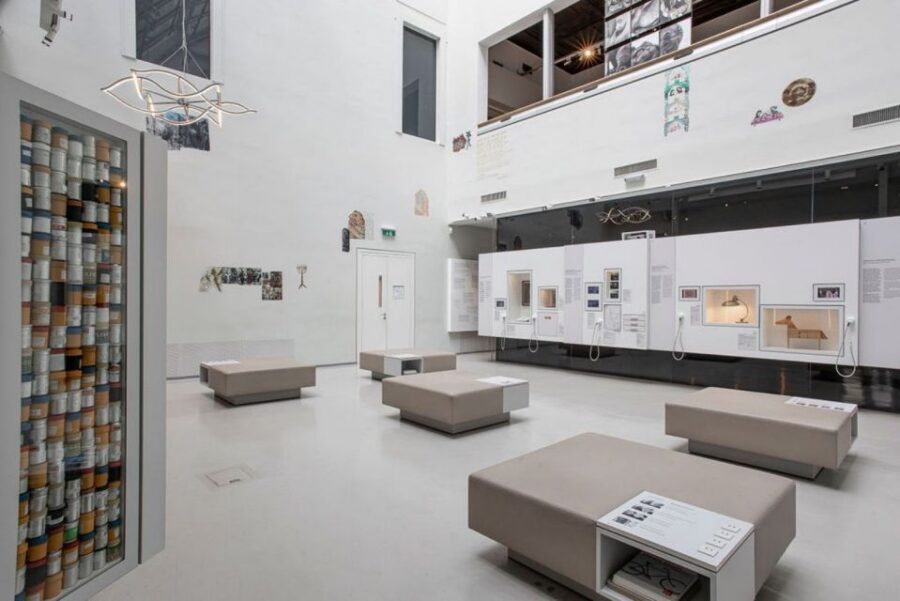
The main house sits in an old palace on Dorotheergasse, close to St. Stephen’s Cathedral. From the moment you enter, the museum makes a clear promise: it will connect Jewish history, religion, and traditions to the specific place of Vienna and Austria.
The flagship permanent exhibition is Our City! Jewish Vienna – Then to Now. The structure is smart because it doesn’t start with ancient dates and overwhelm you immediately. Instead, it begins where many visitors naturally want to start: the present and the immediate postwar period.
I also like how the museum builds context around objects. Exhibits don’t treat artifacts like trivia. They place them in historical setting and connect them to the synagogues where they came from or to collectors such as Max Berger and Martin Schlaff. That makes the display feel less like a cabinet of items and more like a map of a community.
How the Permanent Exhibition Moves: 1945 to Now, Then Back to the Middle Ages
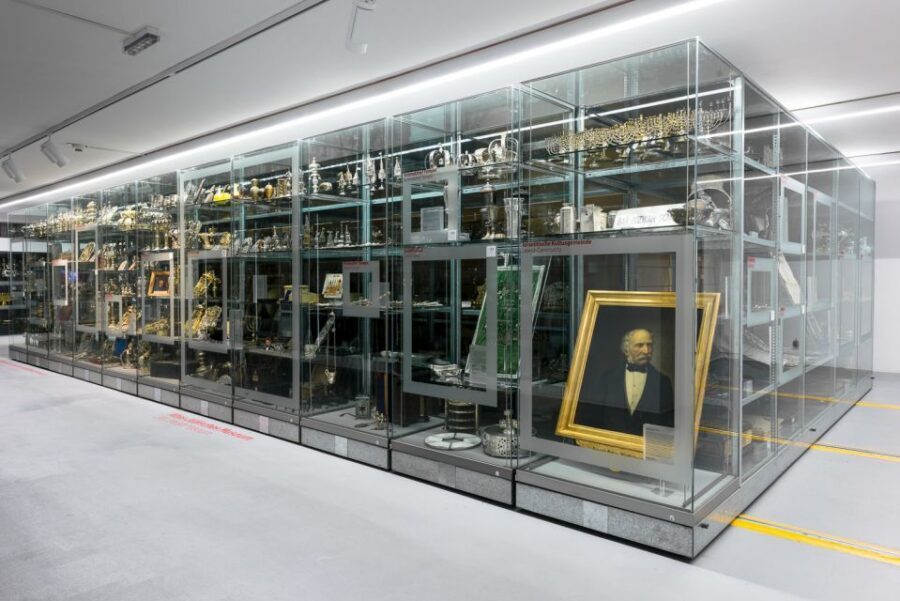
Inside Our City! Jewish Vienna – Then to Now, the timeline is split across floors in a way that’s easy to follow.
On the ground floor, the exhibition starts in 1945 up to the present day. It’s about what happened after catastrophe—how an almost completely destroyed community rebuilt itself. You’ll see how Austrian postwar resistance shaped what was possible, and you’ll also see the result: a community that became smaller, but not empty or gone. The focus stays on daily life, resilience, and continuity, not just tragedy.
On the second floor, the museum reverses direction and takes you back—from the Middle Ages to the Holocaust. This part matters because it explains that Jewish Vienna wasn’t a brief chapter. It was a long-running part of the city’s life, with religious and cultural rhythms that changed over centuries. The museum uses a multimedia guide to add perspectives on the exhibits, which helps when you want deeper context without turning your visit into a class.
A bonus for pacing: the overall tone is frank without being morbid. It talks about suffering honestly, but it doesn’t wallow. You still get a clear sense of how people built and maintained life under discrimination, which makes the story feel grounded rather than abstract.
Museum Judenplatz: Medieval Synagogue Foundations and a 3D Reconstruction
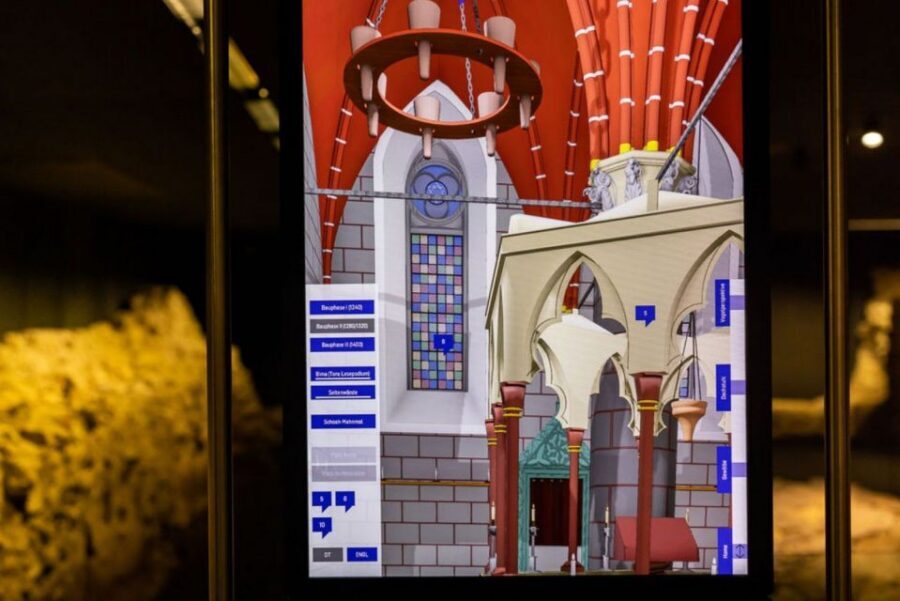
Then you move to Museum Judenplatz, at Judenplatz 8. This site is smaller in feel but huge in impact because it deals with place itself—what Vienna’s Jewish community literally left behind.
Here, you’ll see the foundations of the medieval synagogue, plus a 3D reconstruction that helps you picture what the building looked like when it was whole. That reconstruction is the kind of tool that makes history stick, especially if you’ve ever struggled with “history in a photo” only. The goal isn’t spectacle. It’s clarity: you’re not just learning about the synagogue—you’re trying to understand its shape and presence in the city.
If you’re the kind of visitor who likes your history anchored to geography, you’ll probably find Judenplatz does the job fast. It’s also a strong counterpoint to Dorotheergasse: exhibitions explain people and themes, while Judenplatz gives you architectural reality.
Temporary Exhibitions and Events: How to Keep It from Feeling Like a Lecture
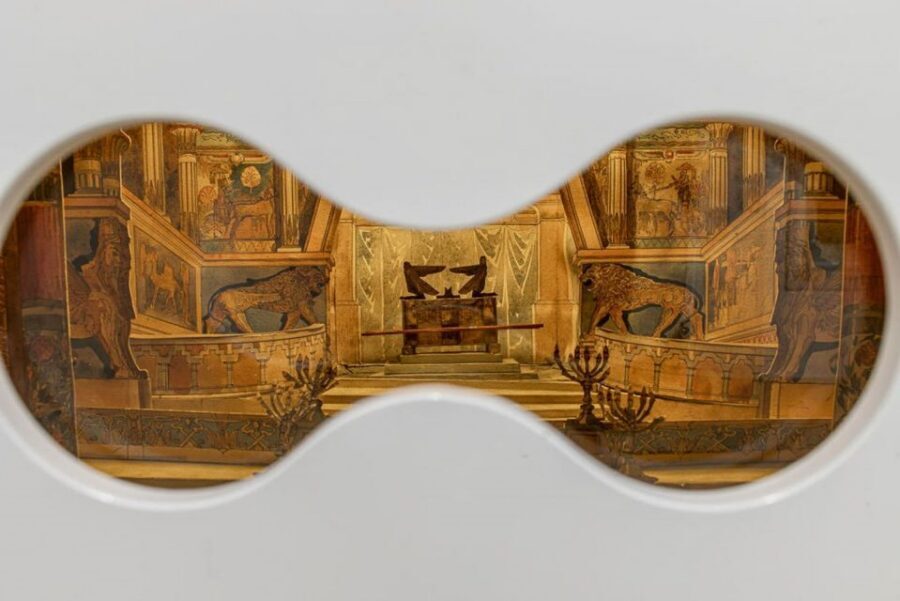
Beyond the permanent exhibitions, the Jewish Museum Vienna also runs temporary exhibitions and events at both locations (Dorotheergasse and Museum Judenplatz). This is valuable if you’re coming during a special season or if you want your visit to feel a bit different each time you return to the museum.
A practical tip: treat temporary exhibitions like snacks, not your whole meal. Prioritize the permanent story first. Then, if you still have energy, add in the temporary parts that interest you most. That way you won’t end up exhausted and underfed on the central narrative.
One more detail that matters in real life: the museums include places to sit. That sounds small, but it helps a lot when you’re taking in heavy material. It also makes the visit more comfortable if you need breaks for mobility or concentration.
You can also read our reviews of more museum experiences in Vienna


Audio Guide in English/German: Using It Like a Tool, Not a Crutch
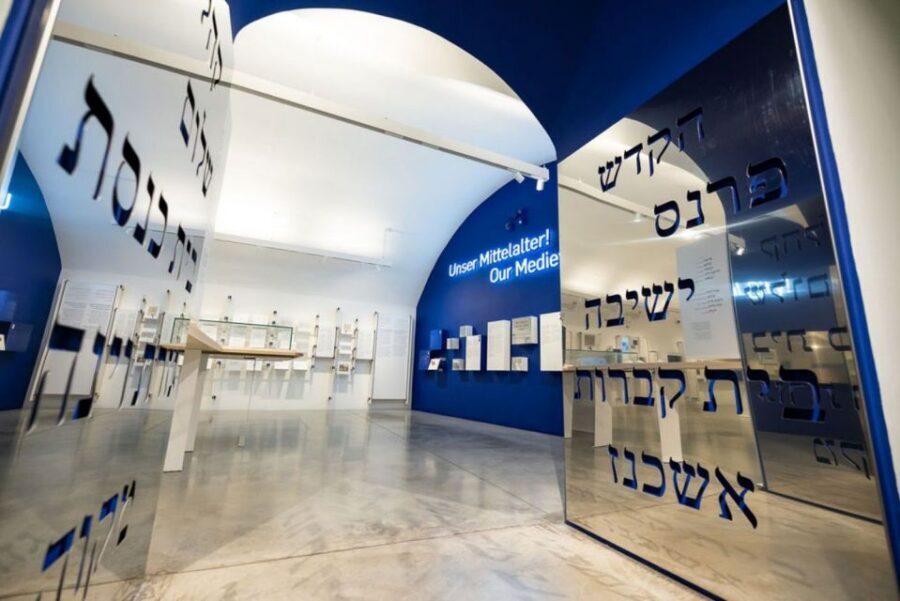
Your ticket includes an audio guide with English and German options. I find this kind of support especially helpful in museums where labels are good but you want the “why” behind the objects.
Here’s how to use it well:
- Start with the permanent exhibition’s main sections first, then use the audio to sharpen your understanding where you feel stuck.
- Don’t force the audio to run nonstop. Pause to read, look at objects again, and let the story land.
- If you’re sensitive to heavy topics, use the audio to pace yourself. You can stay with one room longer and step away when you need.
Also note: at the Dorotheergasse site, the museum uses a multimedia guide within the permanent exhibition as well. So you’ll often have layered support—audio for the big picture and multimedia moments for extra perspective.
Price and Value: Is This $17 Ticket Worth Your Time?
The ticket price is listed at about $17 per person, and for what you get, it’s a strong value. You’re not paying for a single room or a quick stop. You’re paying for entry to two locations, connected by theme and timeline, with audio support included.
The biggest value isn’t only cost. It’s time efficiency. The museum experience is designed so both sites can fit into a realistic day schedule. One of the most consistent takeaways from people who visit is that you can cover both museums in the time of a morning if you keep a steady pace—then still come back for temporary exhibits or re-reading if you want.
And because the experience is well organized and generally not crowded, you can move at your own speed. That makes the price feel even fairer: you’re buying understanding, not just access.
Guided vs. Self-Guided: When a Person Makes the Difference
The museum experience can be enhanced by guided explanation, and it shows. Some guided visits are run by standout explainers such as Miki, Wolfgang, and Victoria, and the common thread in what they do well is clarity without rushing.
If you can choose a format, think about what you want most:
- If you like history but need help connecting the dots, a guide can reduce friction and make the timeline feel logical.
- If you prefer control and quiet concentration, self-paced visiting with the audio guide can work just as well.
Either way, you’ll get the main content: the permanent exhibitions, temporary programming, and the Judenplatz site with its medieval foundations and 3D reconstruction.
Who This Suits Best in Vienna (and Who Might Want Another Stop)
This is a great fit if you want an alternative viewpoint on Vienna’s history, especially when it comes to Jewish life in Central Europe and the Second World War. The museum doesn’t treat the subject as a distant academic topic. It focuses on community life, religious tradition, and how history shaped day-to-day reality.
It also works for different ages. The museum’s approach is factual and honest, and people have found it appropriate for children and teens as well as adults—assuming you’re there with patience and help them process what they’re seeing.
The one group that may struggle a bit is people looking for a purely light or entertainment-forward activity. Some parts can feel like thoughtful reading and standing with exhibits longer than you’d do in a typical photo stop. If that sounds like you, plan shorter time blocks and take seating breaks.
Should You Book This Ticket?
Yes, I’d book it if you want a meaningful, well-structured way to understand Jewish Vienna with real historical anchors. The combination of Dorotheergasse’s permanent exhibition and Judenplatz’s medieval synagogue foundations with 3D reconstruction is a pairing that makes the story easier to remember.
I’d also book it if you like museum experiences that are guided by context—objects with origins, timelines that are laid out clearly, and support in English or German. The mood is serious, but the museum approach is respectful and not morbid.
Only skip if you strongly prefer quick, casual attractions. This is a stop for people who want to read, think, and connect history to place.
FAQ
What locations are included in the ticket?
The ticket covers both Jewish Museum Vienna (Dorotheergasse 11, 1010 Vienna) and Museum Judenplatz (Judenplatz 8, 1010 Vienna).
How long is the ticket valid?
It’s valid for 4 days from the date of issue, and it’s also valid for 3 days from the first activation.
Are audio guides included?
Yes. An audio guide is included in English and German.
Which languages are available?
English and German are available.
Is Museum Judenplatz included with the same ticket?
Yes. Both locations are included under the same ticket.
What can I see at the Dorotheergasse site?
You’ll find the main house exhibitions, including the permanent exhibition Our City! Jewish Vienna – Then to Now, plus temporary exhibitions and events.
What is specifically featured at Museum Judenplatz?
Museum Judenplatz presents the foundations of the medieval synagogue and includes a 3D reconstruction.
How much time should I plan for both sites?
You can visit both museums in the space of a morning if you move at a steady pace, and you can also slow down if you want to spend more time in temporary exhibitions.
Is the experience wheelchair accessible?
Yes, the museum is wheelchair accessible.
Is free cancellation offered?
Free cancellation is offered up to 24 hours in advance for a full refund.