REVIEW · VIENNA
Vienna: Classical Concerts in the Minorite Church Ticket
Book on GetYourGuide →Operated by Klangkultur Entertainment GmbH · Bookable on GetYourGuide
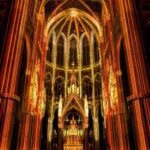
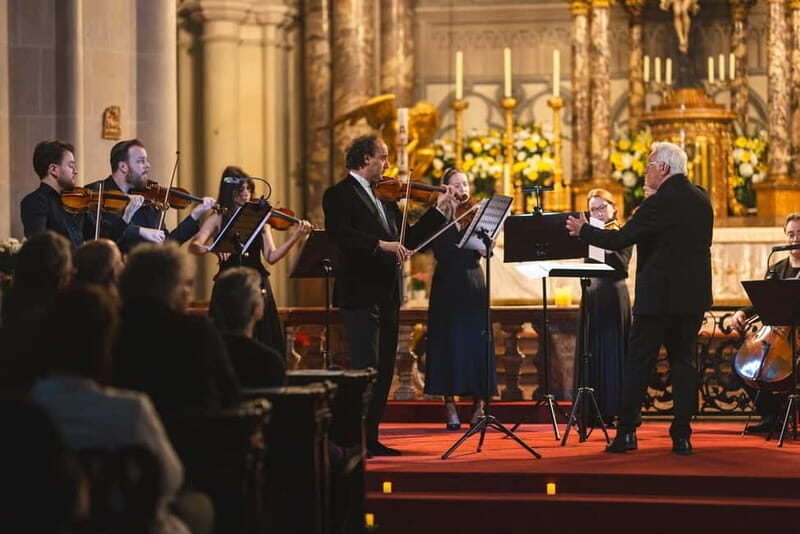
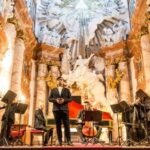
One hour in a church, one note at a time. That’s the charm of the Minoritenkirche classical concert ticket in Vienna: Minoritenkirche is jaw-dropping, and the acoustics make even familiar music feel sharply new. I like that you’re not stuck with a generic “greatest hits” program every time—you get major-name repertoire plus smart seasonal picks (including Bach, Bruckner, and less-common Baroque and classical works). The drawback to plan for: seats are unnumbered and chairs can feel hard, so a little thought about timing and where you sit matters.
This is also a classic Vienna move in the best way. You’re in the historic city center, inside one of the city’s most beautiful churches, listening to live musicians in a setting that actually fits the music. If you want a polished “Vienna evening,” but not the big, impersonal hall vibe, this is a strong option.
A final practical note: the venue runs warm enough even in winter, but it’s still a church setting—so dress for cool air before and after, and don’t count on cushion-level comfort once the concert starts.
In This Review
- Key points before you buy
- Why the Minoritenkirche is the right setting for classical concerts
- How the concert night works: doors, seating, and timing
- Programs you can actually look forward to: Mozart, Beethoven, Vivaldi and beyond
- Sound, comfort, and the small things that affect your seat
- Value check: is $22 worth a Vienna classical evening?
- Rules, etiquette, and what to bring (so you don’t ruin your own night)
- Who should book this Minoritenkirche concert ticket?
- Should you book this Vienna Minoritenkirche concert?
- FAQ
- How long is the Minoritenkirche classical concert?
- When should I arrive for admission?
- Where is the entrance to the venue?
- Are seats numbered?
- Can I take photos or record video inside?
- Is the concert accessible, and is it suitable for children?
- Can I cancel for free?
Key points before you buy
- Minoritenkirche setting: a Gothic church in the historic center that makes live music feel closer and more human.
- Great acoustic design: the church shape and stone walls help carry sound clearly for orchestras, string groups, and soloists.
- Seasonal programs: you can catch Mozart, Beethoven, Vivaldi and also heavier works like Bach Passions or Bruckner’s Symphony No. 7.
- Unnumbered seating, staff guidance: arrive on time, then let the team place you where you’ll actually enjoy the show.
- Rules that protect the sound: no flash, no video, and no photos inside keeps the performance from turning into a phone convention.
- Value for a top-tier evening: around $22 for an hour-plus of live classical music in a landmark venue is hard to beat.
Why the Minoritenkirche is the right setting for classical concerts
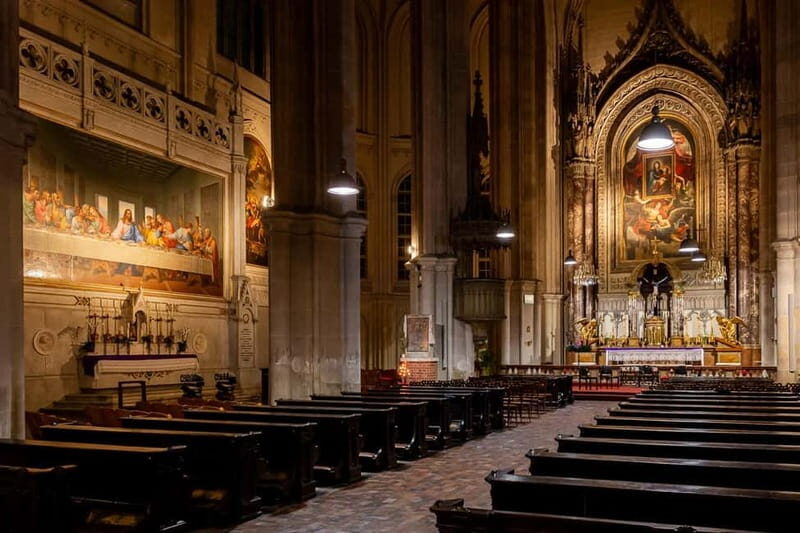
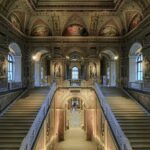
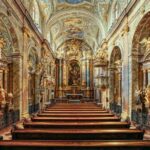
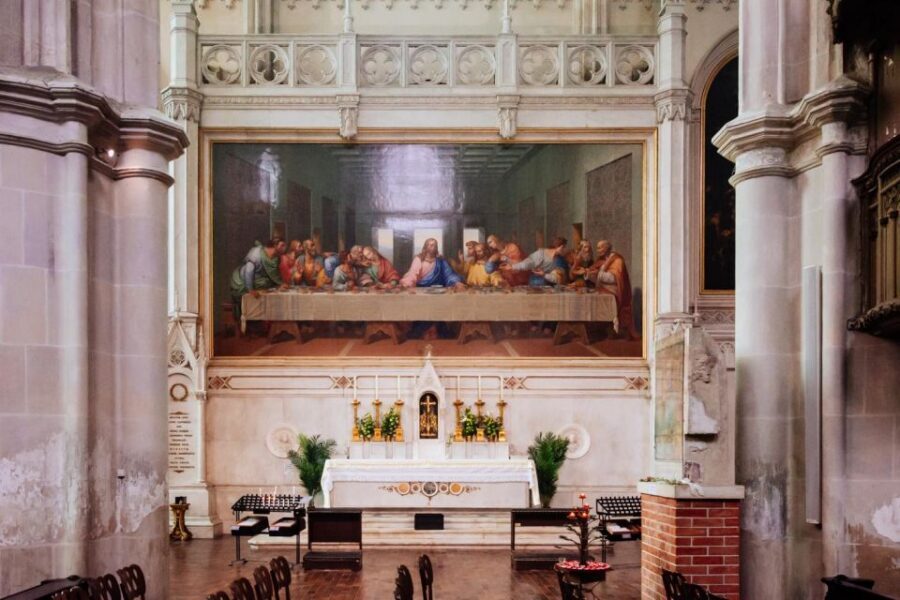
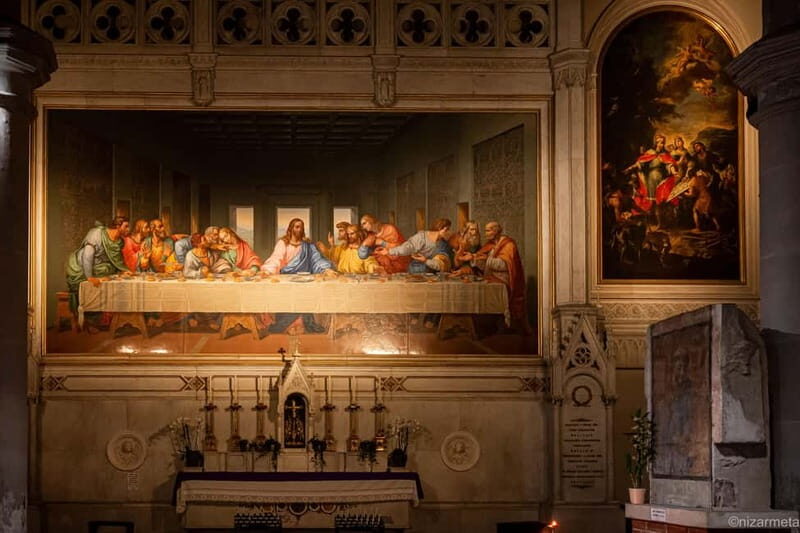
Vienna is full of grand concert halls, sure. But the Minoritenkirche offers something different: a church interior that feels made for reverberant strings, singing winds, and clean articulation from period-style performances and top modern players. When music fits the room, you feel it in how phrases land—soft endings actually fade, and louder passages don’t just “boom,” they shape.
The atmosphere is also part of the value. You’re not watching a show on a stage that feels detached. You’re inside a real historical space, with the musicians positioned so the experience feels intimate without being cramped. It’s a great choice if you want a traditional Viennese evening that still feels personal.
A few more Vienna tours and experiences worth a look

How the concert night works: doors, seating, and timing
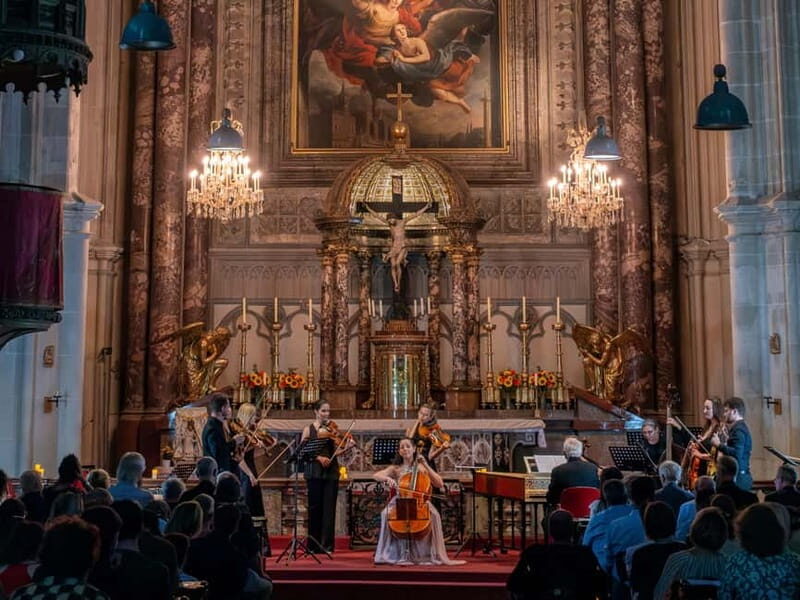
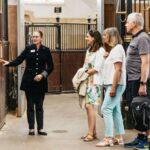
Plan for a low-stress arrival. Admission begins 30 minutes before the concert start time. That means you don’t need to sprint across Vienna to get there hours early. Staff are present at the entrance and guide you to seats, and seating is unnumbered, so your exact view depends on where you’re placed.
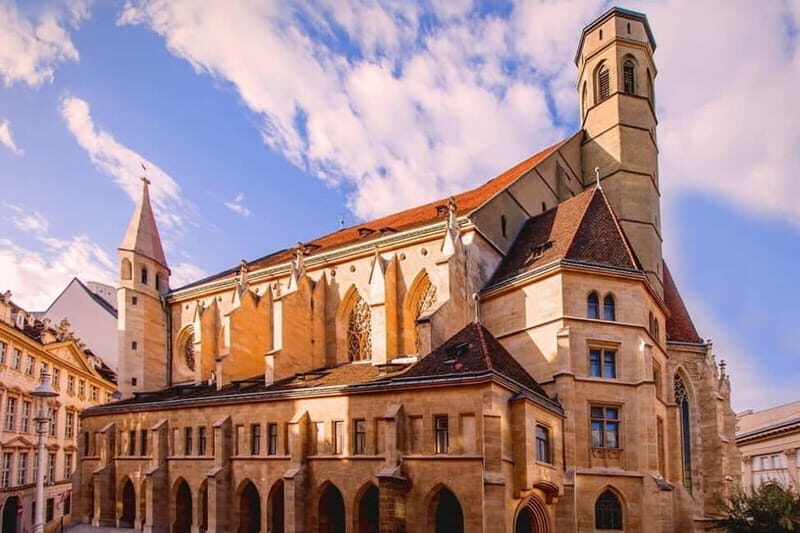
One key detail: the church entrance is under the arcade of the church. If you’re arriving from the street, this is the part that can surprise people—look for the arcade area and follow staff instructions once inside.
Duration is typically 1 hour to 70 minutes, and the program runs on time. That’s a big deal in Vienna evenings, where late starts and long intermissions can quietly eat your night.
You’ll also receive a program sheet/booklet. For classical concerts, this is more than paper—it helps you follow the structure, especially if you’re going to hear bigger works like symphonies or the longer Bach Passions during Easter season.
Programs you can actually look forward to: Mozart, Beethoven, Vivaldi and beyond
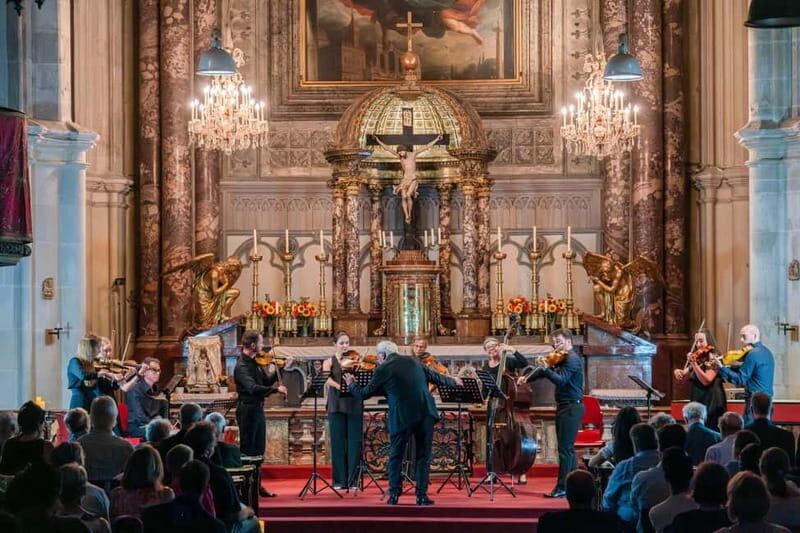
A lot of Vienna concerts offer the same safe handful of composers. What I like here is the mix: familiar names like Mozart and Vivaldi show up, and then the programming pivots into works that feel richer than the usual tourist checklist.
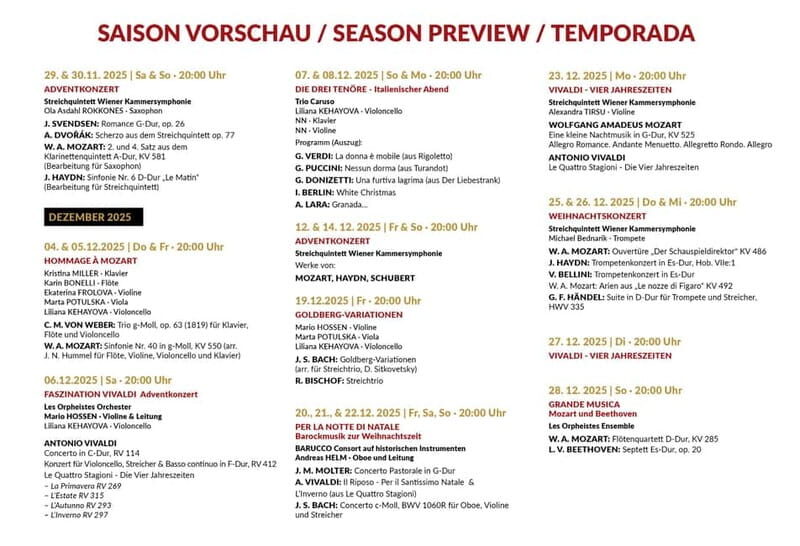
Here are some specific examples from the upcoming 2026 highlights, so you can match your taste to a night:
- March 7, 2026 (Piano Solo), 8:00 p.m.: Luis González Lladó performs a program that includes Leos Janáček’s Sonata 1. X. 1905 and works by Manuel de Falla and Franz Liszt. If you enjoy piano color and dramatic contrasts, this is a great pick.
- March 13, 2026 (Symphony No. 7), 8:00 p.m.: Győr Philharmonic Orchestra with conductor Martin Sieghart performs Anton Bruckner’s Symphony No. 7. This is the “serious architecture” night—long lines, strong build-ups, and a distinctly Bruckner kind of scale.
- March 28, 2026 (Goldberg Variations), 8:00 p.m.: A trio-in-the-church experience with Mario Hossen (violin), Alexander Gordon (viola), and Liliana Kehayova (cello), playing Bach’s Goldberg Variations arranged for string trio by Dmitri Sitkovetsky. If you think the Goldberg Variations are only for big ensembles, this arrangement is exactly the kind of fresh angle that makes the Minoritenkirche programming feel alive.
- Easter season (April 3–6, 2026) includes performances built around Bach and the Baroque spirit:
- St John Passion on April 3 with Les Orpheistes Orchester and Chorus ALEAS (soloists listed as TBA) conducted by Martin Sieghart.
- April 6 includes a Vivaldi and Bach program with Les Orpheistes Orchestra and Mario Hossen.
- April 18, 2026 (Vivaldi – Four Seasons): a string quintet approach with Wiener Kammersymphonie and Cornelia Gradwohl.
- May 1–2, 2026 (Mozart cycle – instrumental concerts): works like Mozart’s Divertimento in D major, a Violin Concerto (KV 219), and Symphony No. 1 (KV 16) with Les Orpheistes Orchestra, and Mario Hossen also conducting.
- May 15, 2026 (Vivaldi versus Paganini): a programmed showdown with Vivaldi, plus Paganini variations and selections, mixing virtuoso energy with Baroque invention.
- May 30, 2026 (Between Fantasy & Variation): Natalia Rehling on piano with chamber work including Mozart Fantasy (KV 397), Schubert’s Death and the Maiden (string quartet), and Chopin variations.
- June 4–5, 2026 (La Passione): a program mixing Haydn’s Symphony in F minor and a Bach lute suite, plus a marimba element with Christoph Sietzen—exactly the kind of “church concert, but with brain” programming I love.
If you’re not sure what to pick, choose based on your mood:
- Want sparkle and familiarity? Go for Vivaldi or Mozart.
- Want drama and depth? Look at the Passions or Bruckner.
- Want something you won’t see every week in Vienna? Go for the unusual combinations (like string trio Goldberg Variations).
Sound, comfort, and the small things that affect your seat
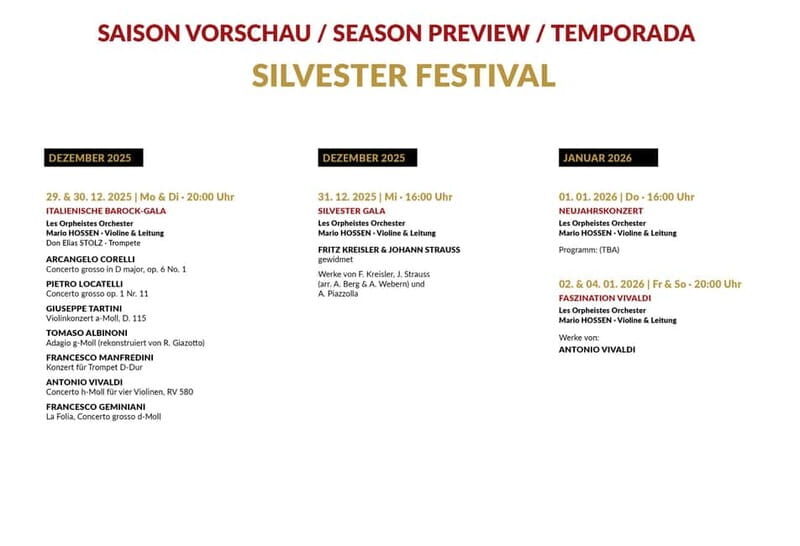
The church acoustic is one of the main reasons people come back. Sound carries cleanly, and you can hear phrasing instead of just volume. That said, where you sit still matters—especially with unnumbered seating.
A few comfort and view realities to keep in mind:
- Church chairs are not designed as sofa substitutes. Some seats can be uncomfortable over an hour-plus, and there’s no mention of cushions being provided.
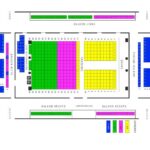
- Because seating is guided and unnumbered, your category purchase doesn’t always guarantee the exact spot you envisioned. The best move is timing: arrive within the admission window so staff can place you well.
- Physical obstacles can happen with side seating. In one case, a pillar limited the view from a paid category area.
- If there are speakers used for sound reinforcement in your section, that could change the feeling of the raw acoustic. Not every seat will be affected equally.
The upside? Even when the seat isn’t perfect, the room does a lot of the work for you. And when you pick a closer section, you get more connection to the musicians’ gestures—something that really matters for string players and for soloists.
Also, in winter, the church is heated enough to feel comfortable rather than miserable. It’s still a stone building, so dress sensibly, but don’t assume you’ll freeze through the whole concert.
Value check: is $22 worth a Vienna classical evening?
At about $22 per person, this is strong value for three reasons.
First, you’re paying for a live music experience in a landmark venue, not just a seat in a general auditorium. The setting is part of the product here.
Second, the duration is reasonable: 1 hour to 70 minutes means you’re not committing your entire evening. It fits well if you’ve already got dinner plans or want something culture-forward without staying out until midnight.
Third, you get a real program and staff support. Skip-the-line entry and guided seating reduce the usual friction that can happen with ticketed events.
If you’re comparing to big-name concert halls in Vienna, the price here feels like someone understood that great music should be accessible. You’re not paying “tourist markup” for the location—you’re paying a fair fee for a serious performance.
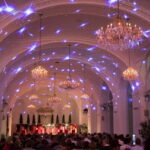
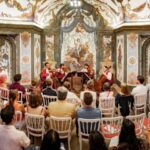
A few more Vienna tours and experiences worth a look
Rules, etiquette, and what to bring (so you don’t ruin your own night)
This is a church performance, so the house rules are strict. You can’t smoke, and no food or drinks are allowed. Flash photography is prohibited, and the important part for the vibe: video recording and photography inside aren’t allowed either.
That’s actually good news. It protects the sound and keeps the atmosphere quiet enough to hear the details. Phones dropping, screen light, and constant recording noise can turn a concert into background noise.
So what should you bring?
- A light layer. Even if it’s heated, you’ll be entering and exiting a stone church.
- Patience. Unnumbered seating and last-minute seat guidance are normal—listen to staff and settle in.
- Respect for the silence. You’ll enjoy it more, and you’ll help keep the sound clean for everyone.
Language support is also practical. Greeters can help in English, German, Spanish, and Italian.
For accessibility, the venue is wheelchair accessible. And if you’re traveling with kids, note that it isn’t suitable for children under 6.
Who should book this Minoritenkirche concert ticket?
I’d book this if you want a classic Vienna evening with real music and a setting that makes the sound feel right. It’s ideal for couples, solo travelers who want a calm night, and anyone who enjoys classical music but doesn’t necessarily want a huge formal hall.
It’s also a solid “I’m not sure I’m a classical person” option. One nice thing about church concerts is the intimacy. The experience can feel less like you’re being instructed and more like you’re being let in on something.
If you’re very sensitive to seat comfort, plan carefully. Chairs can be uncomfortable, and view can vary with placement. If that’s your priority, consider arriving on time and aim for seating closer to the musicians, when possible.
And if you need nonstop action entertainment, this is still a concert. It’s 1 hour to 70 minutes of listening, not a guided walking tour. Bring your ability to focus. The room rewards it.
Should you book this Vienna Minoritenkirche concert?
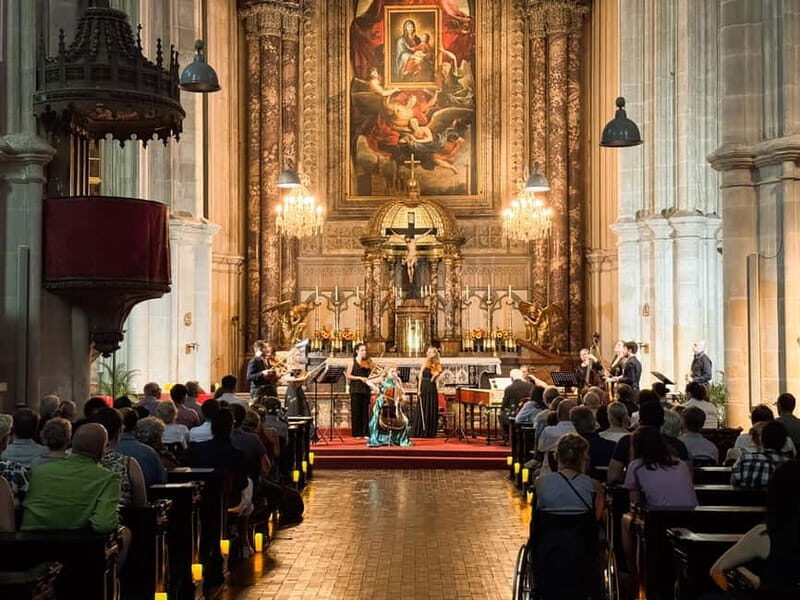
Yes—if you want an authentic Vienna evening that pairs major composers with a beautiful historic venue, and you’re comfortable with a listening-first night. The price-to-experience ratio is unusually good, especially for the variety of programs and the fact that staff help you get seated without drama.
Skip it only if you know you can’t handle unnumbered seating variability or you’re extremely sensitive to chair comfort. In that case, you might prefer a different venue where seating is more fixed.
If you’re choosing between nights, pick the program that matches your mood—Mozart for clarity and charm, Bruckner for architectural seriousness, the Passions for emotional weight, or Vivaldi/Four Seasons if you want musical sunlight in a church full of stone.
FAQ
How long is the Minoritenkirche classical concert?
The concert runs about 1 hour to 70 minutes. Check availability for the exact start time.
When should I arrive for admission?
Admission begins 30 minutes before the concert starts. You do not need to arrive significantly earlier.
Where is the entrance to the venue?
The entrance is located under the arcade of the church. Staff will guide you once you arrive.
Are seats numbered?
Seating is unnumbered. Staff are present at the entrance to welcome you and guide you to suitable seats.
Can I take photos or record video inside?
No. Flash photography is not allowed, and video recording and photography inside the church are also prohibited.
Is the concert accessible, and is it suitable for children?
The venue is wheelchair accessible. It is not suitable for children under 6 years.
Can I cancel for free?
Yes. Free cancellation is available up to 24 hours in advance for a full refund.