REVIEW · VIENNA
Vienna: MAK – Museum of Applied Arts – Tickets
Book on GetYourGuide →Operated by MAK - Museum für angewandte Kunst · Bookable on GetYourGuide
Vienna’s MAK is design heaven in stone. It’s set in one of the grand buildings on the Ringstraße, and the experience is really about how art and everyday objects meet—through major exhibitions plus the MAK Design Lab. I especially like that your entry doesn’t just buy you a museum room; it gives you access to numerous special exhibitions across art and design subjects, so you can build your own route.
One practical thing to consider: some areas can be closed for work, so you may want to plan with a flexible mindset if you arrive hoping to see everything in one sweep.
In This Review
- Key Highlights You’ll Actually Notice
- MAK on Vienna’s Ringstraße: a grand building worth your time
- What Your MAK Ticket Includes (and Why It’s Better Than It Sounds)
- Entering the Museum: express security and a calmer start
- MAK Design Lab: your best bet for contemporary design energy
- Special Exhibitions Across Art, Design, Fashion, Architecture
- Why the MAK feels different from a standard museum
- How to Plan a Comfortable 1-Day Visit (Without Rushing)
- Time-Saving Tips That Keep You Enjoying the Day
- Price and Value: Is $21 a good deal here?
- Who This Visit Suits Best
- Should You Book the MAK Museum Tickets?
- FAQ
- How long is the MAK museum ticket valid?
- Where is the meeting point?
- How much does the MAK ticket cost?
- What is included with the ticket?
- Is Wi‑Fi available?
- Do I get an audio guide, and what languages are available?
- Is there an express security check?
- Is the museum wheelchair accessible?
- Are there any free entry rules for children or teens?
- Is cancellation possible, and how far in advance?
Key Highlights You’ll Actually Notice
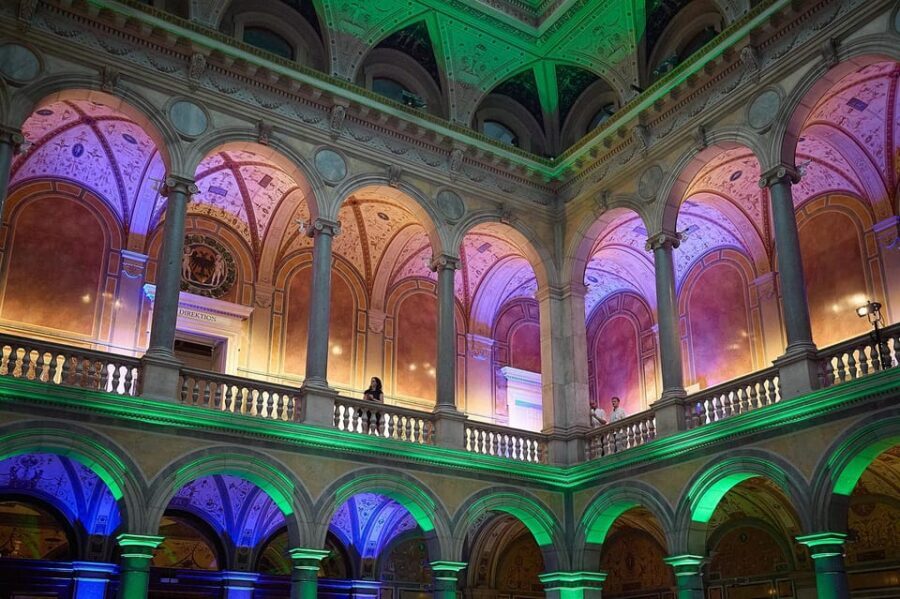
- Ringstraße grandeur: a monumental MAK building that makes the visit feel like part museum, part city landmark.
- Special exhibitions included: you’re not paying extra just to get into the good stuff.
- MAK Design Lab: a strong stop for contemporary design projects and thinking.
- Audio guide in English and German: helpful for pacing yourself through lots of objects and labels.
- Free cloakroom and Wi‑Fi: small perks that make a big difference when you’re walking all day.
MAK on Vienna’s Ringstraße: a grand building worth your time
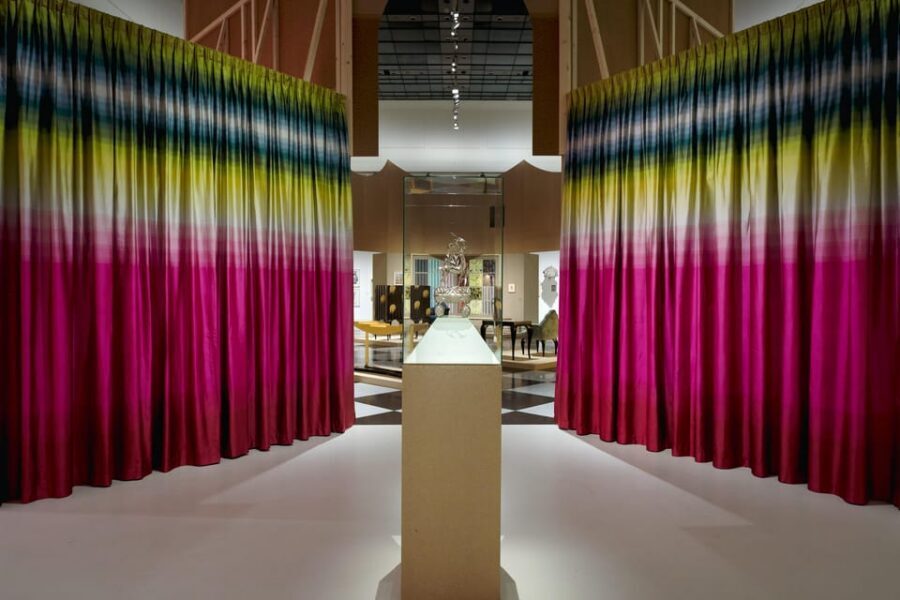
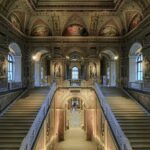
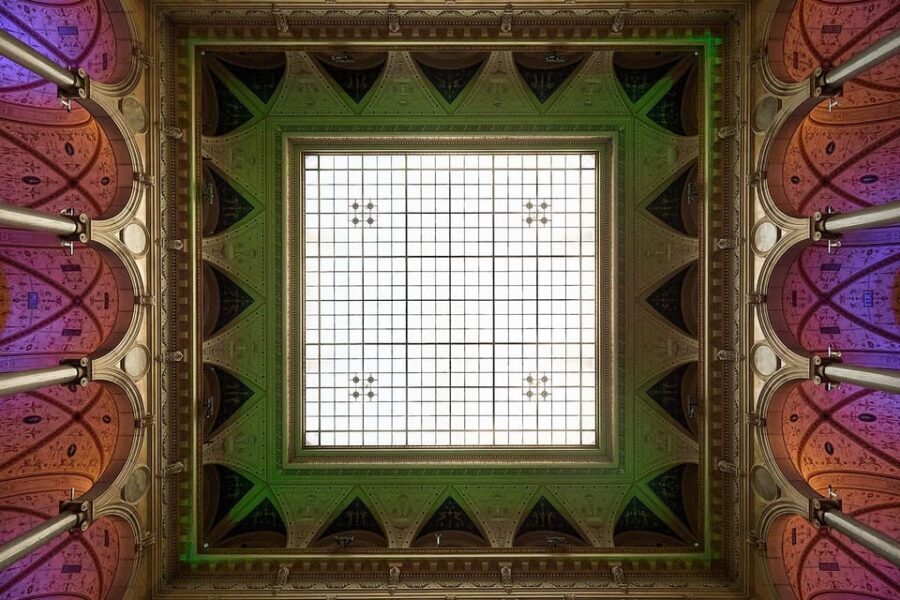
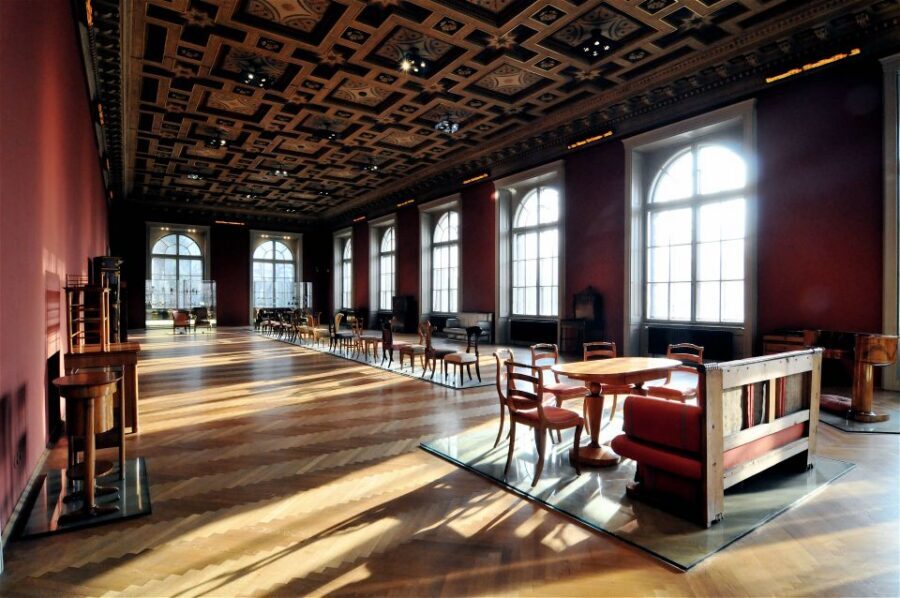
The MAK sits on Stubenring 5, right in the thick of Vienna’s Ringstraße museum zone, between Stadtpark and the University of Applied Arts. Even if you’re not in a museum mood, the building itself does the heavy lifting. Think of it as Vienna saying: applied arts belong at the same level as fine art—and it’s going to prove it with architecture.
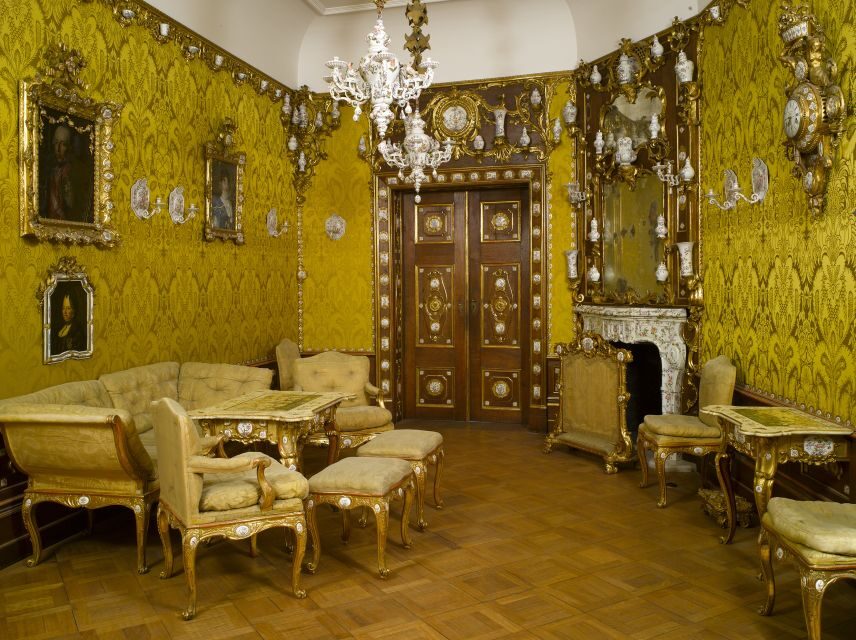
Inside, the museum’s scale becomes part of the attraction. The MAK houses a huge collection across art, design, fashion, and architecture, with an enormous number of objects and printed works. That’s why this place feels different from smaller, focused museums. You’re walking through the idea that design is culture—not decoration.
A few more Vienna tours and experiences worth a look


What Your MAK Ticket Includes (and Why It’s Better Than It Sounds)
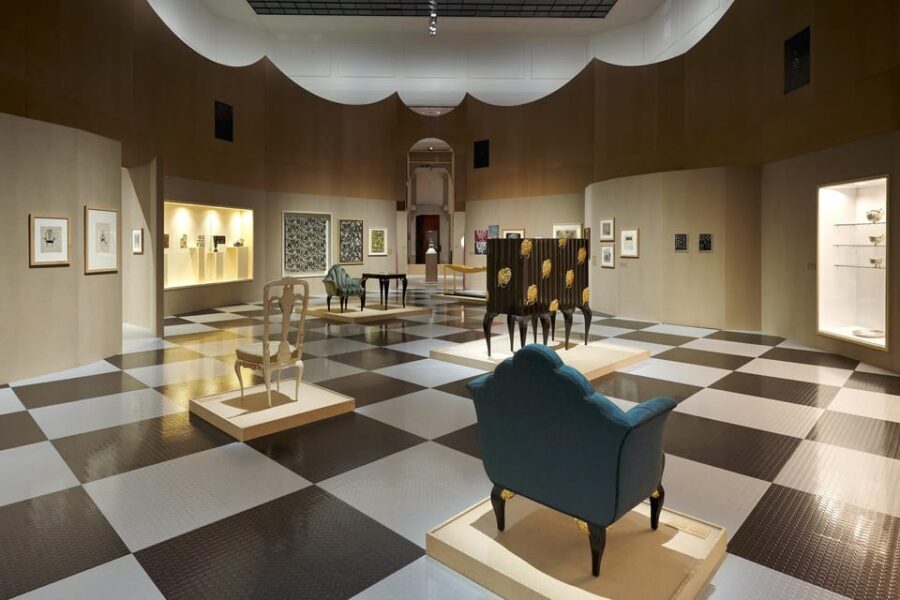
This ticket is priced around $21 per person for a one-day entry, but the value comes from what’s included. You get entrance not only to permanent displays, but also to several temporary/special exhibitions in the same subject family: art, design, fashion, and architecture. For a museum that can easily overwhelm you with options, included exhibitions are a big win. It means you’re not constantly deciding whether something is worth an extra fee.
You also get a free digital MAK guide, plus Wi‑Fi and a free cloakroom. That’s practical, especially in a city where you might arrive with a bag you don’t want to carry through galleries. Add the included audio guide (English and German), and you’ve got the tools to slow down without getting lost.
Entering the Museum: express security and a calmer start
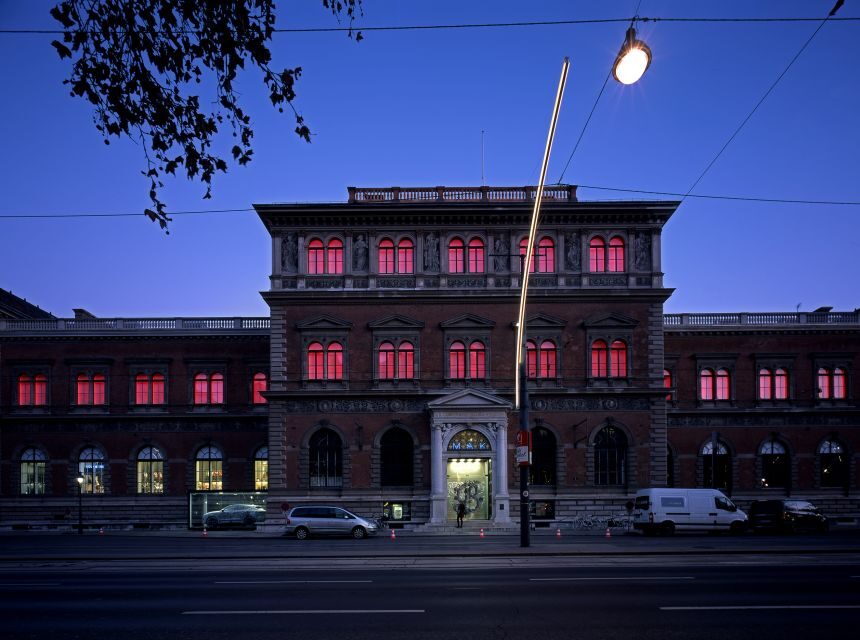
You’ll meet at the MAK Museum, Stubenring 5, 1010 Wien. Once you’re inside the museum flow, the experience is designed to move you along. The express security check means you’re less likely to waste time standing around before you can start viewing.
When you walk in, give yourself one minute to get oriented before you pick a direction. With a museum this broad, a quick plan saves you later. My rule: decide on one anchor (either the Design Lab or one of the special exhibition themes), then let curiosity fill the rest.
MAK Design Lab: your best bet for contemporary design energy
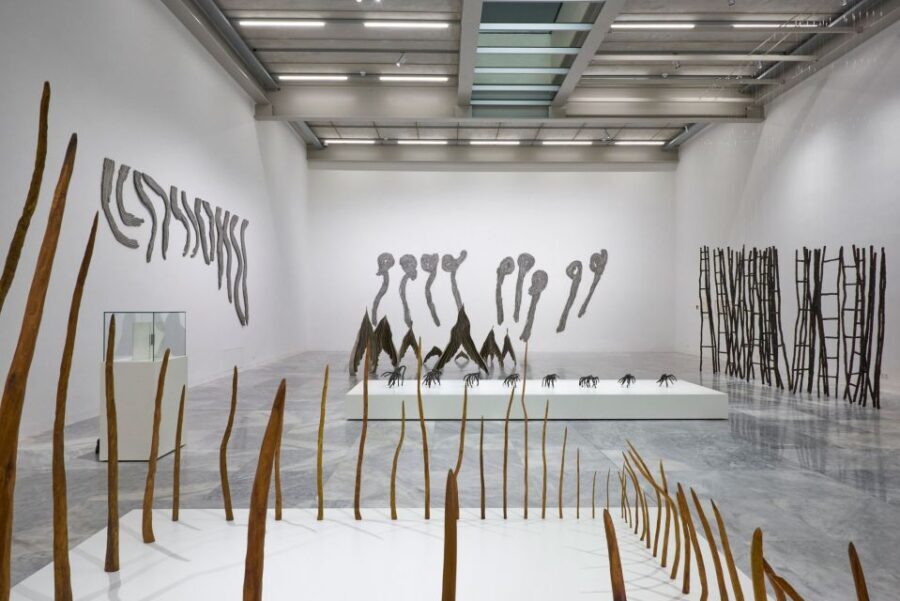
If you want the most straightforward “this is why you came” moment, target the MAK Design Lab early. The lab focuses on contemporary design projects, so it’s the part of the museum that helps you connect everything else you’ll see to what’s happening now.
Even if you’re not a design expert, the lab format tends to reward active looking: you’ll usually get more of the why behind the objects rather than just the what. And because contemporary design can be harder to place in your head, having it organized in one dedicated area makes the rest of the museum click faster.
Practical tip: if you’re the type who reads every label, plan extra time here. If you’re more of a visual scanner, this is still a strong stop because it’s built to be understood without needing to be an academic.
Special Exhibitions Across Art, Design, Fashion, Architecture
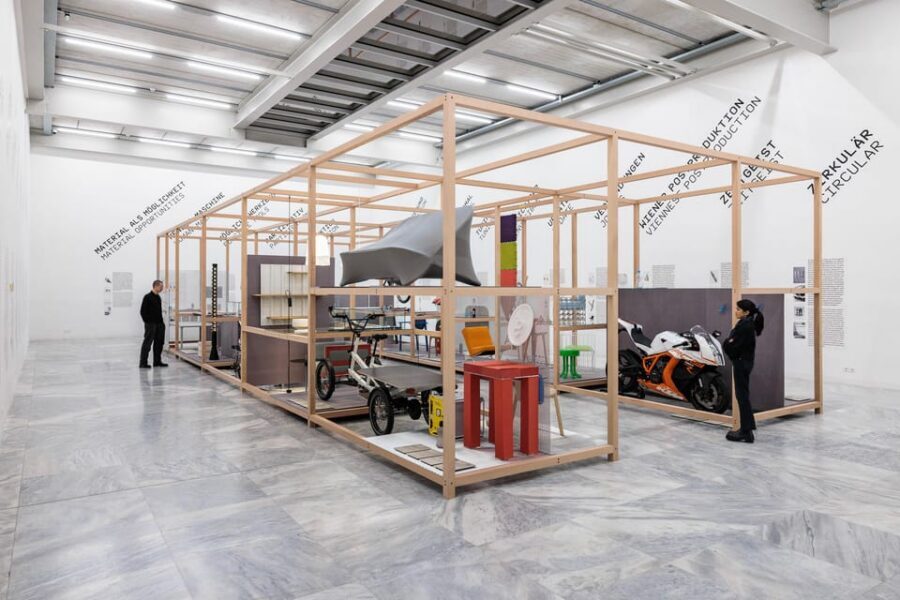
One reason the MAK works for so many different kinds of visitors is that it doesn’t force you into a single lane. The museum presents multiple special exhibitions that cover the same broad orbit: art and design, with overlaps into fashion and architecture.
Here’s how I’d approach it so you don’t get mentally overloaded:
- Pick one theme to follow first. For example, choose whether you’re more interested in design objects, fashion-related creativity, or architectural ideas.
- Treat the exhibitions like chapters. Instead of trying to “finish” the museum, you’re collecting a set of strong experiences.
- Use the audio guide to help you decide what deserves your full attention. If a gallery’s labels start feeling like background noise, switch to listening mode and let the guide pick the pacing for you.
A note on expectations: with multiple rotating exhibitions, you might find some rooms closed due to work or setup. That’s the nature of a living museum. Don’t let it derail your day. Pick what’s open and lean into it.
You can also read our reviews of more museum experiences in Vienna



Why the MAK feels different from a standard museum
The MAK’s founding story ties it directly to the Austro-Hungarian era—established in 1863 under Emperor Franz Joseph. You can feel that long institutional perspective in the museum’s emphasis on applied arts: the idea that design and making matter in real life.
This matters because it changes how you see what you’re looking at. You’re not just admiring form. You’re noticing how objects were made to function, how style and craft shaped daily experience, and how materials become part of cultural history.
And the museum’s sheer collection size supports that mindset. With so many objects and printed works, you can’t help but notice patterns: how design evolves, how fashion intersects with identity, and how architecture frames the way people live.
How to Plan a Comfortable 1-Day Visit (Without Rushing)
You’re looking at a one-day visit, and that’s the right length for the MAK if you want to actually look. A good target for a relaxed pace is around half a day to a full day depending on how deep you go. If you’re spending time with labels and the audio guide, expect to linger.
I’d plan your day like this:
1) Start with your anchor
Choose either the MAK Design Lab or a special exhibition you’re most excited about. Doing this first keeps your motivation high before you get tired.
2) Build around that anchor
After your anchor stop, move into related exhibitions in art/design/fashion/architecture. This keeps the connections clear.
3) Save time for the building
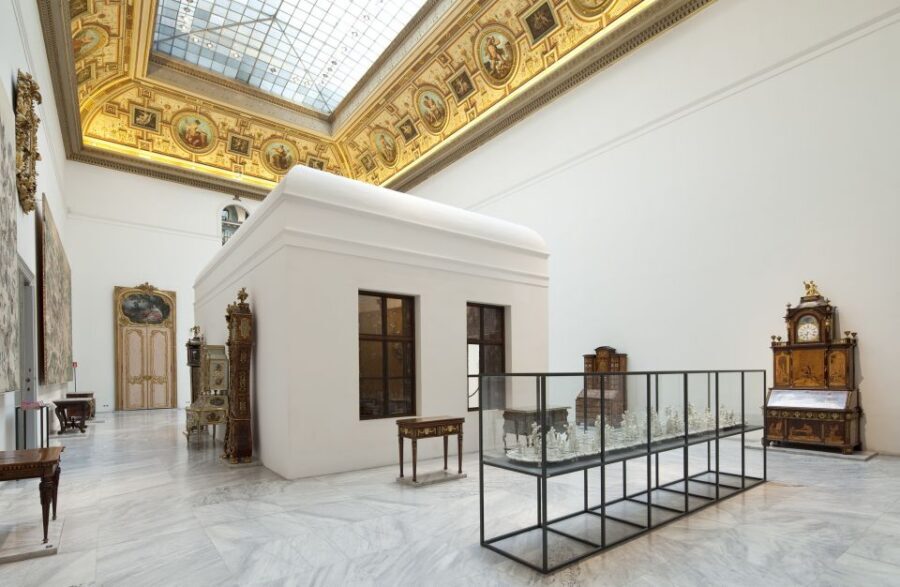
Don’t treat the architecture as a background detail. Pause in the building itself. It’s one of the main reasons the MAK feels like a standout destination on the Ringstraße.
4) Finish with what surprised you
When you hit something unexpected, don’t rush past it. Surprise is often where museums become memorable.
Time-Saving Tips That Keep You Enjoying the Day
You don’t need a complicated strategy here, but a few choices make the visit smoother:
- Use the digital guide and audio guide to guide your attention. It helps you prioritize without guessing.
- Use the cloakroom if you brought a bag. The museum experience is much more comfortable without extra weight.
- Rely on Wi‑Fi if you want to check exhibition notes or switch languages on your guide content.
- If you’re short on time, don’t try to cover everything. Cover what’s open and align with your interests.
Also, be realistic: this is a museum built around objects and printed works, which means time adds up fast. If you like to read, you’ll naturally slow down.
Price and Value: Is $21 a good deal here?
At about $21 per person, this ticket can be good value if you take advantage of what’s included. The key is the mix of permanent entry plus several special exhibitions in art/design/fashion/architecture. That combination means you’re paying once for a broader museum day, not just one static gallery experience.
What makes it feel like value is also the extras: free digital guide, audio guide in English and German, Wi‑Fi, and cloakroom. These are the small comfort items that reduce friction. When the museum is large, friction is what turns a fun day into a tired day.
If you only plan to see a couple rooms, it’s less of a bargain. If you’re willing to follow one theme and then branch out through included exhibitions, it feels like money well spent.
Who This Visit Suits Best
This MAK ticket is a strong match if you like any of these:
- Design and craft, including how objects are made and why they matter
- People who enjoy museums that connect art to everyday life
- Visitors who want a Ringstraße landmark experience, not just a collection
- Anyone curious about how art, fashion, and architecture overlap
It’s also a good choice for first-timers to Vienna who want something cultural and specific, without needing to commit to a multi-day museum marathon.
If you’re the type who hates crowds and prefers very tight, single-topic museums, you might want to be pickier about which exhibitions you target. But for most travelers, the mix of topics and the included audio/digital tools make it manageable.
Should You Book the MAK Museum Tickets?
I’d book if you want one great museum stop that mixes architecture, design thinking, and rotating exhibitions in a ticketed day package. The price-to-access ratio is solid, and the included audio/digital guides help you make sense of a place with a lot to see.
I’d hesitate only if your plan is too rigid—because sections can close for work, and you might feel the pinch if you came with a strict must-see list. If you’re flexible and you’re excited to follow design themes where they lead you, the MAK is the kind of museum day you’ll remember for the way it connects craft to culture.
FAQ
How long is the MAK museum ticket valid?
The ticket is valid for 1 day. Check available starting times when you book.
Where is the meeting point?
The meeting point is MAK Museum, Stubenring 5, 1010 Wien.
How much does the MAK ticket cost?
The price is listed as $21 per person.
What is included with the ticket?
Your ticket includes entrance for permanent areas and several temporary/special exhibitions, plus a free digital MAK guide.
Is Wi‑Fi available?
Yes. Free Wi‑Fi is included.
Do I get an audio guide, and what languages are available?
Yes. An audio guide is included, with English and German options.
Is there an express security check?
Yes. You can use an express security check to skip the normal line.
Is the museum wheelchair accessible?
Yes. The experience is wheelchair accessible.
Are there any free entry rules for children or teens?
Yes. Entry is free to persons under 19 years old.
Is cancellation possible, and how far in advance?
The booking offers free cancellation up to 24 hours in advance for a full refund.